FRANCISCO CORTÉS
FRANCISCO CORTÉS
[Chapter 8]
Welcome to another episode of the Creative Minds Project, and the dream-like, surreal world of Francisco Cortés.
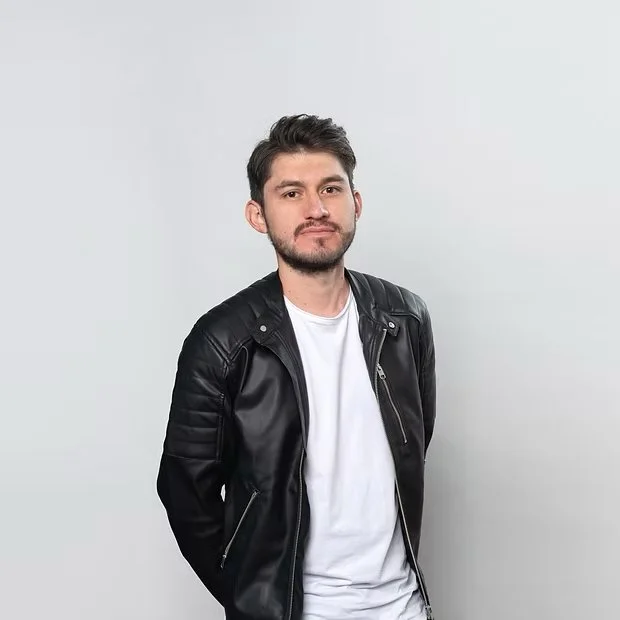
Francisco Cortés is a London-based 3D artist, illustrator, and industrial designer whose work creates quiet, contemplative worlds through geometry, light, and symbolism. Blending technical precision with poetic imagination, his images transform simple forms into out-of-this-world landscapes that invite you to daydream.
Originally from Mexico, Francisco studied Industrial Design and Illustration in Mexico City, Melbourne and London. Over the past 15 years, Francisco has worked with global agencies and for clients including Coca-Cola, Amazon, IKEA, and Disney. Alongside his commercial success, Francisco has taught at CENTRO University in Mexico and developed courses for Domestika, sharing insights into his practice and his unique methods for design, visual storytelling, and image-making.
For the Creative Minds Project, Francisco reflects on process, experimentation, and the role of play in creative practice, offering a glimpse into the explorations that shape his distinctive visual language.
Francisco Cortés's website
Francisco Cortés on Instagram
Francisco Cortés on Behance
Francisco Cortés's Domestica Course
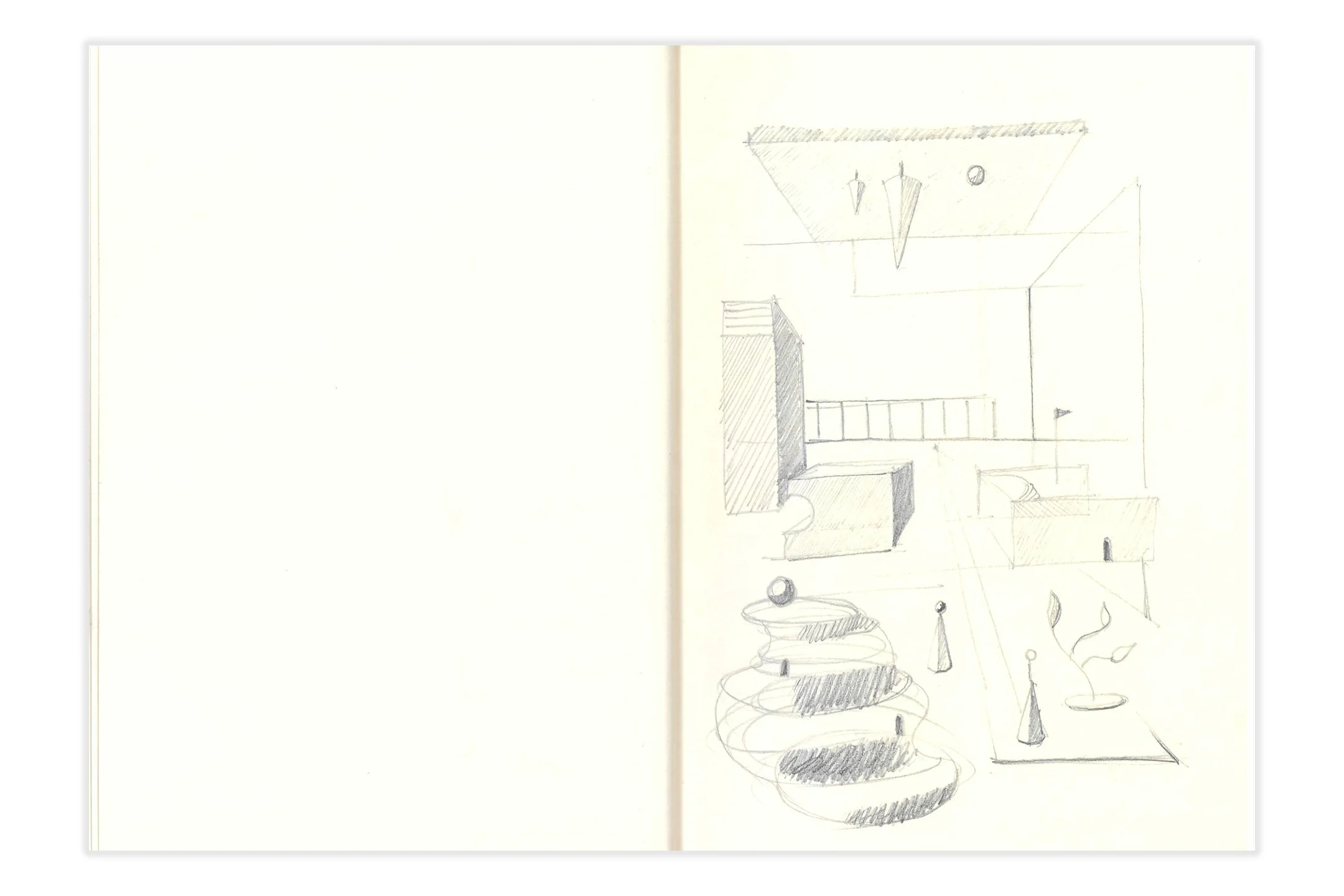
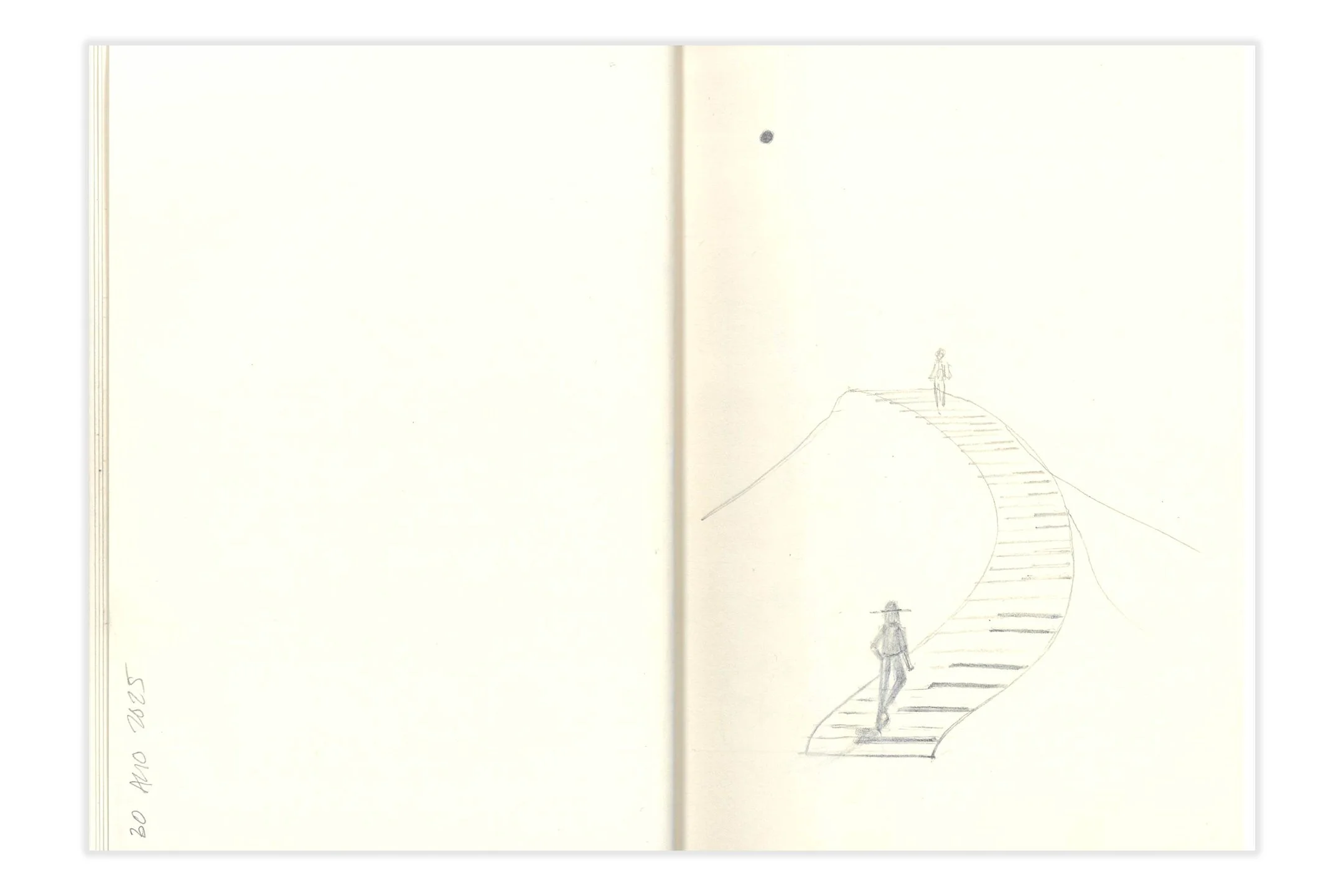
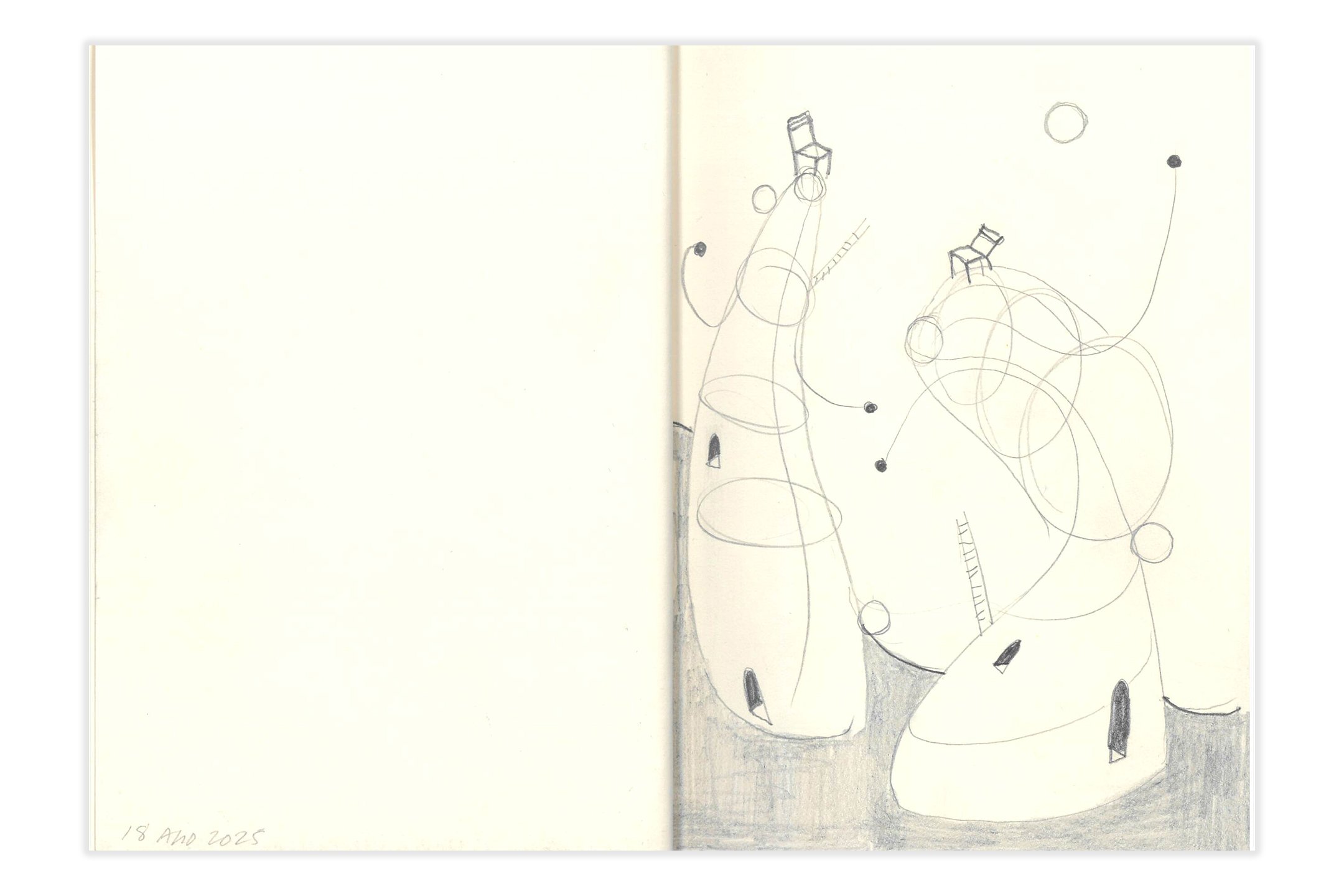
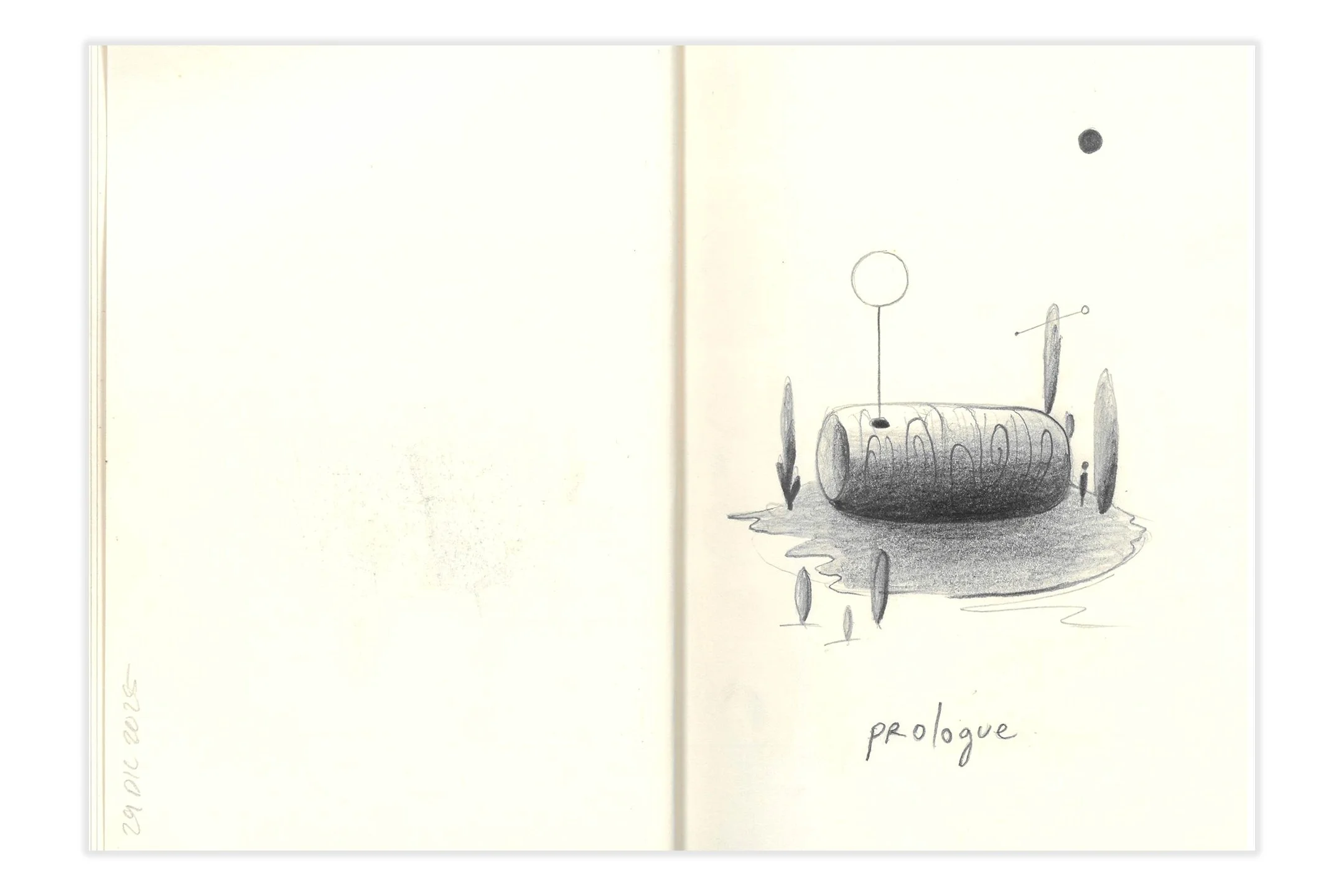
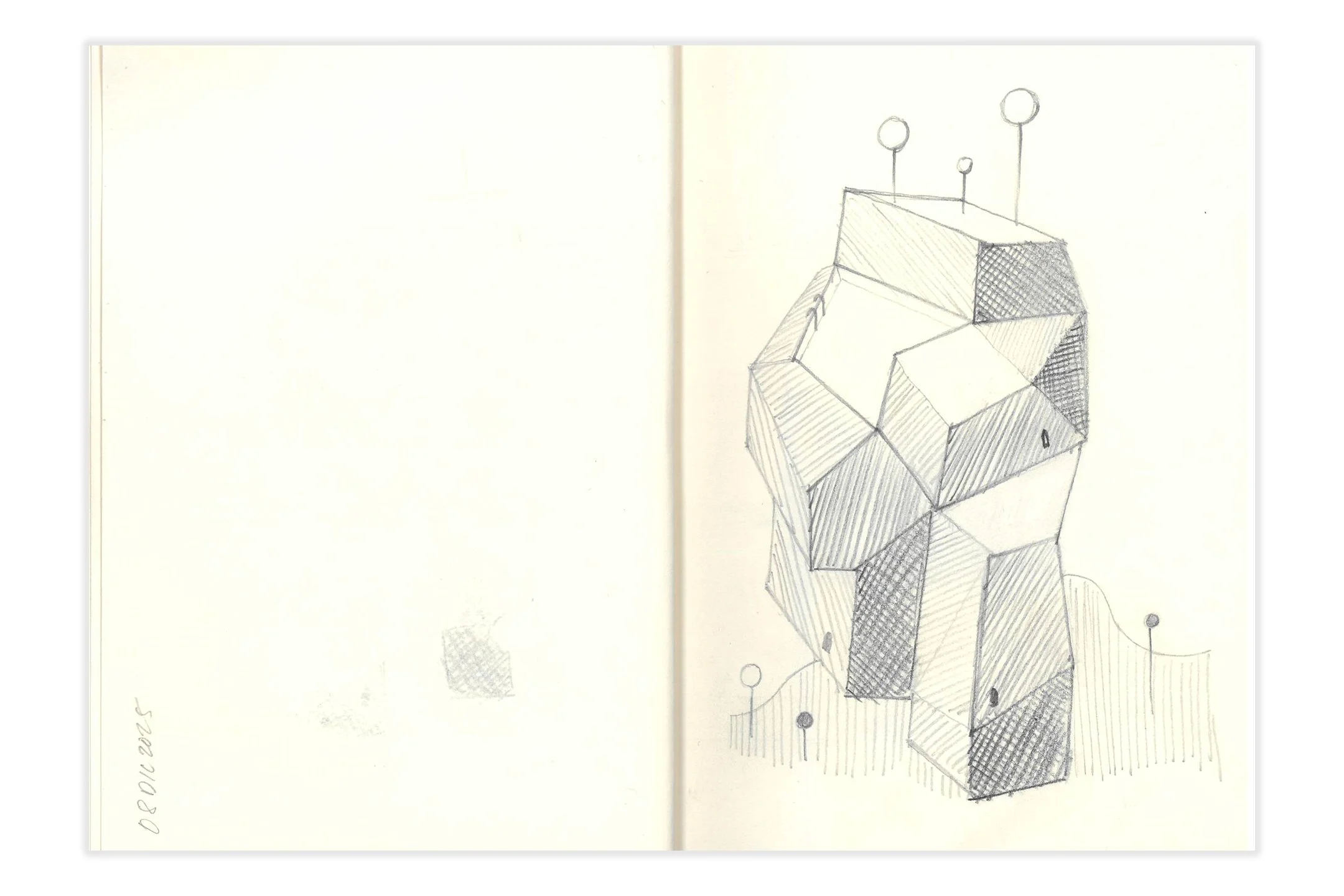
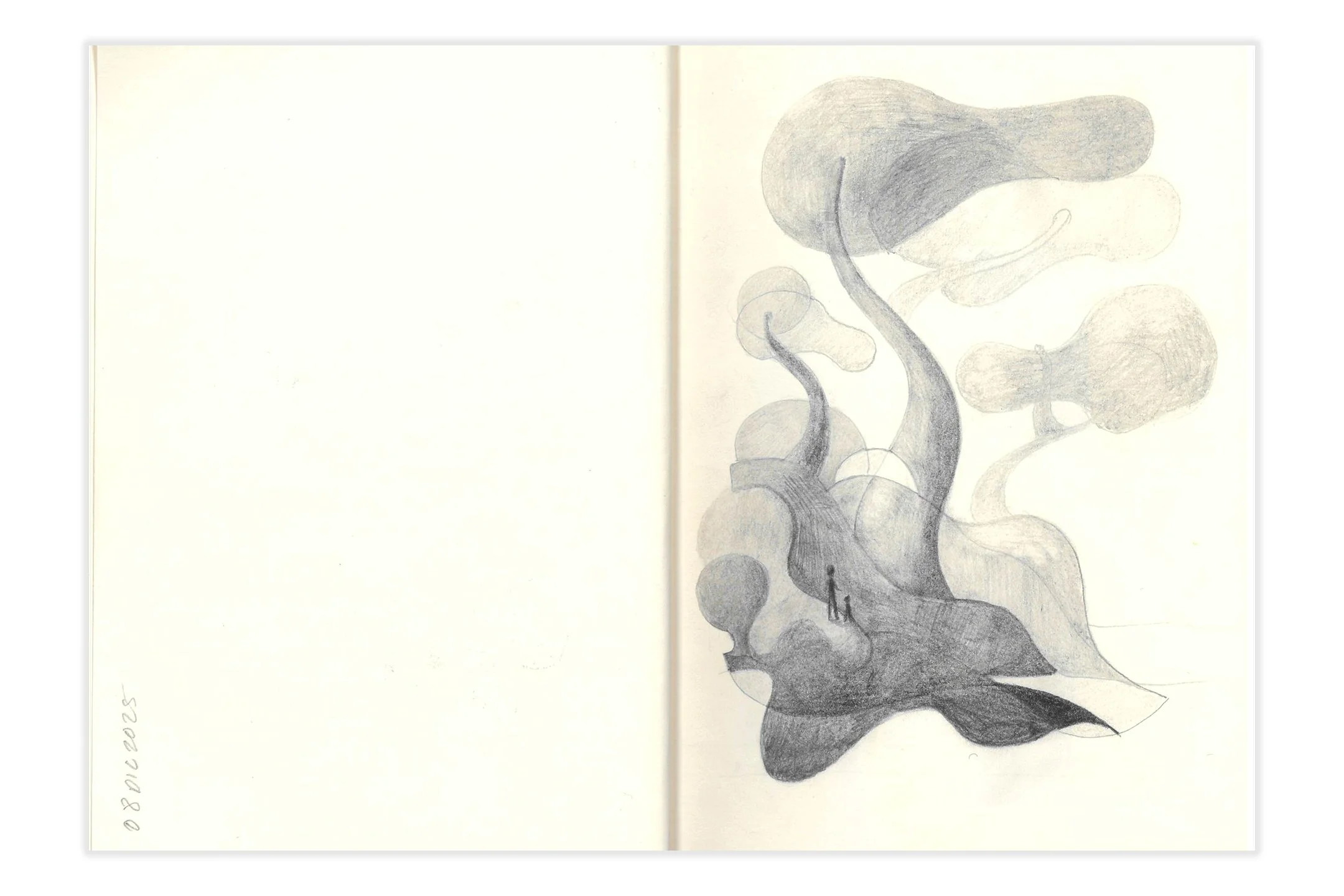
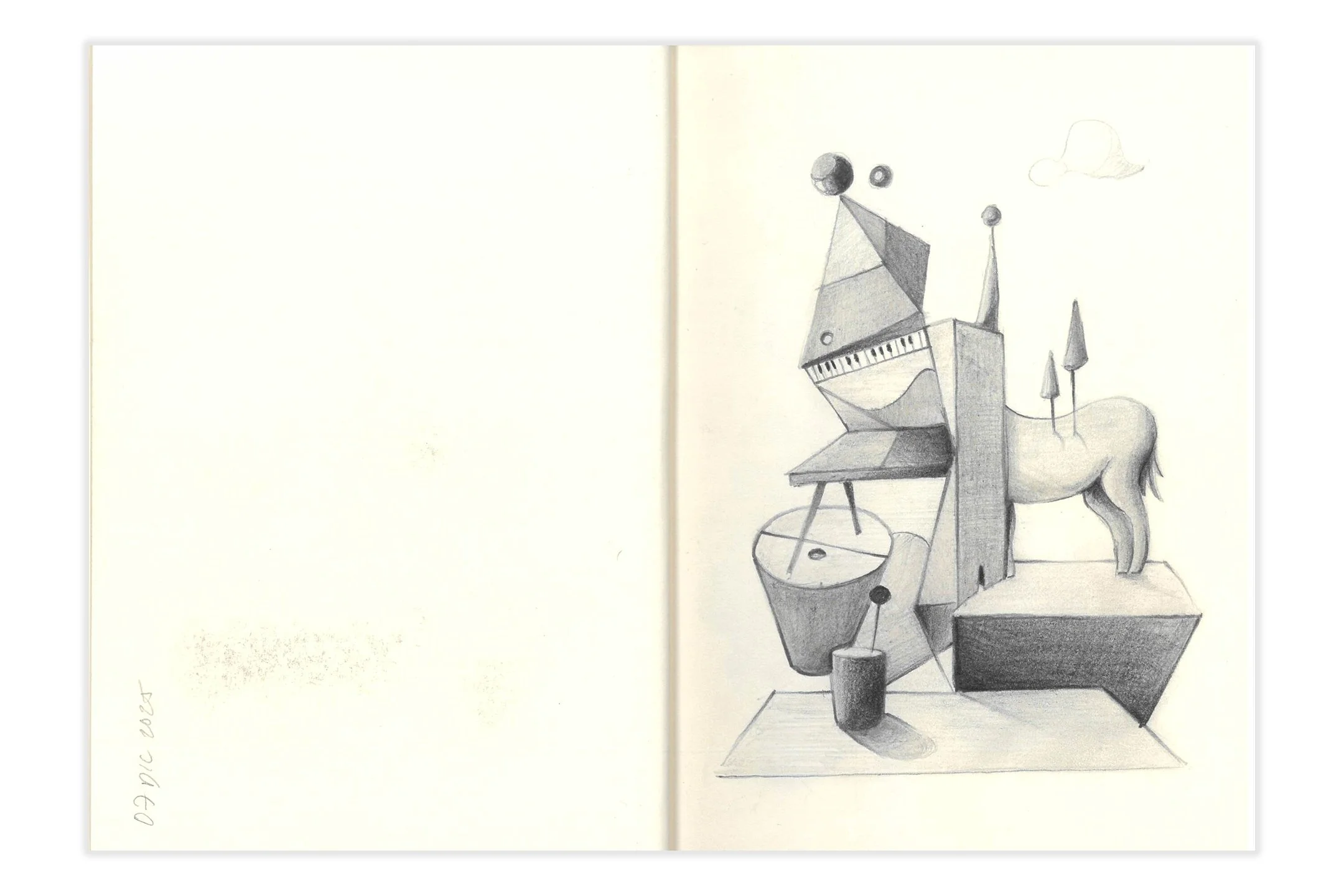
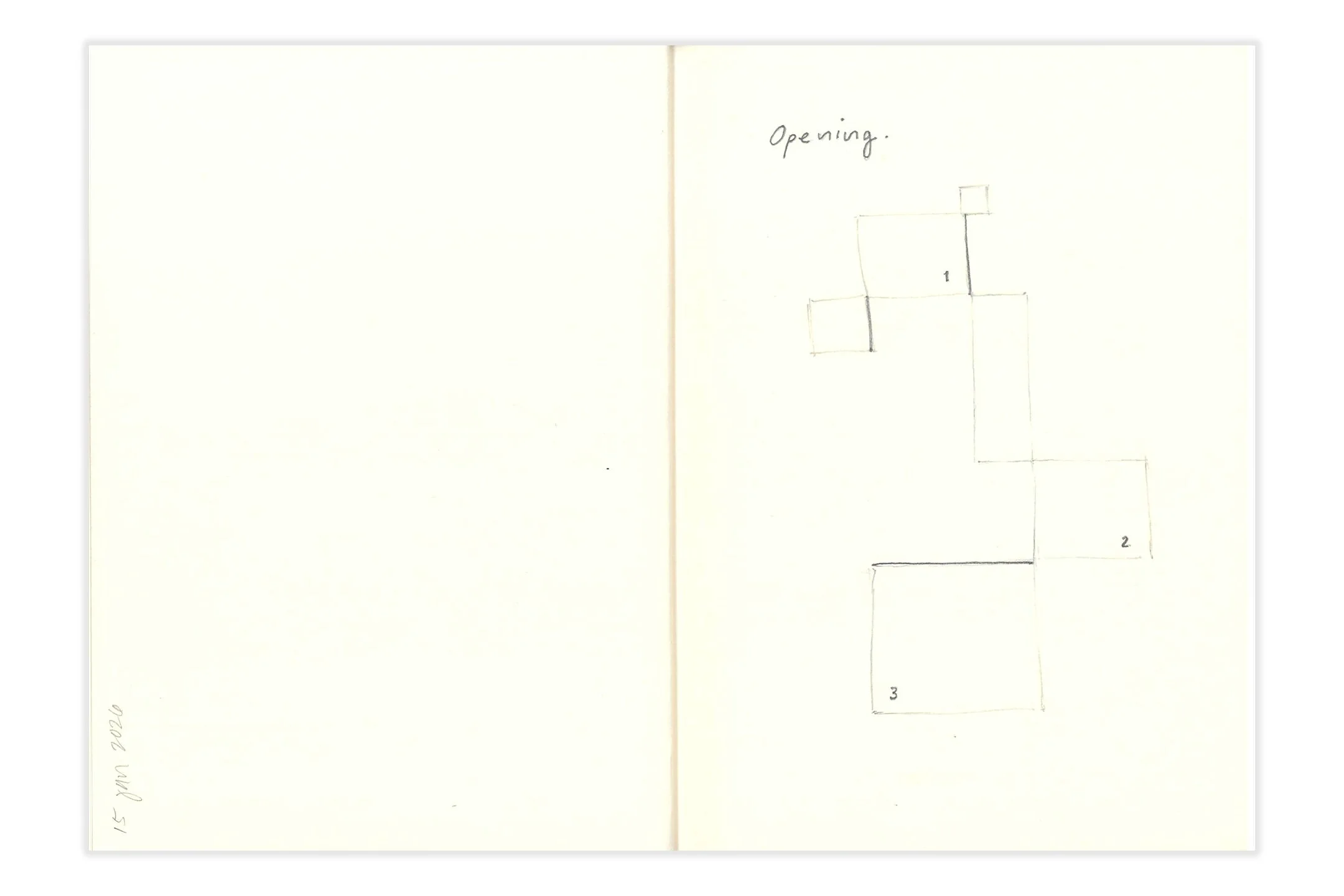
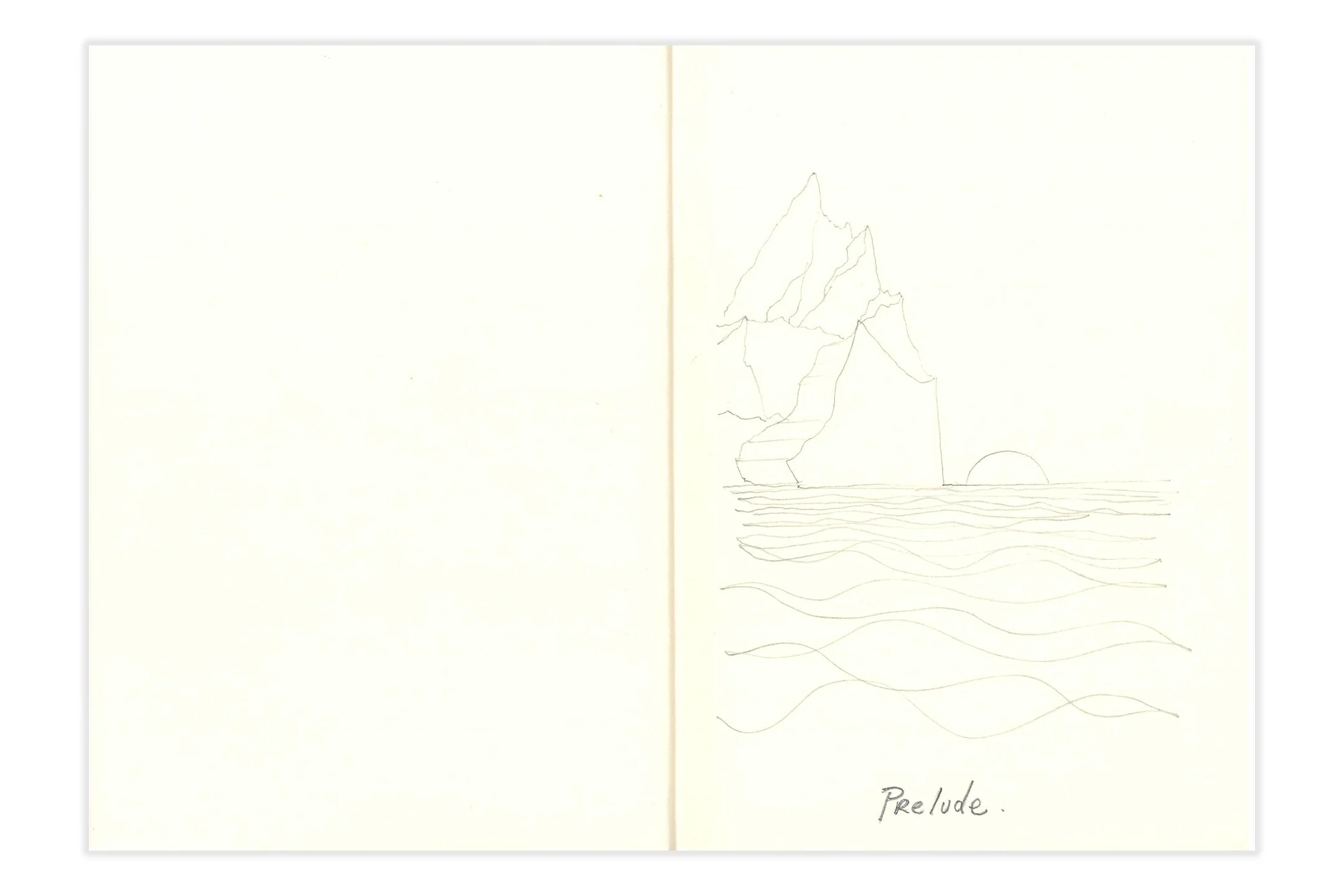
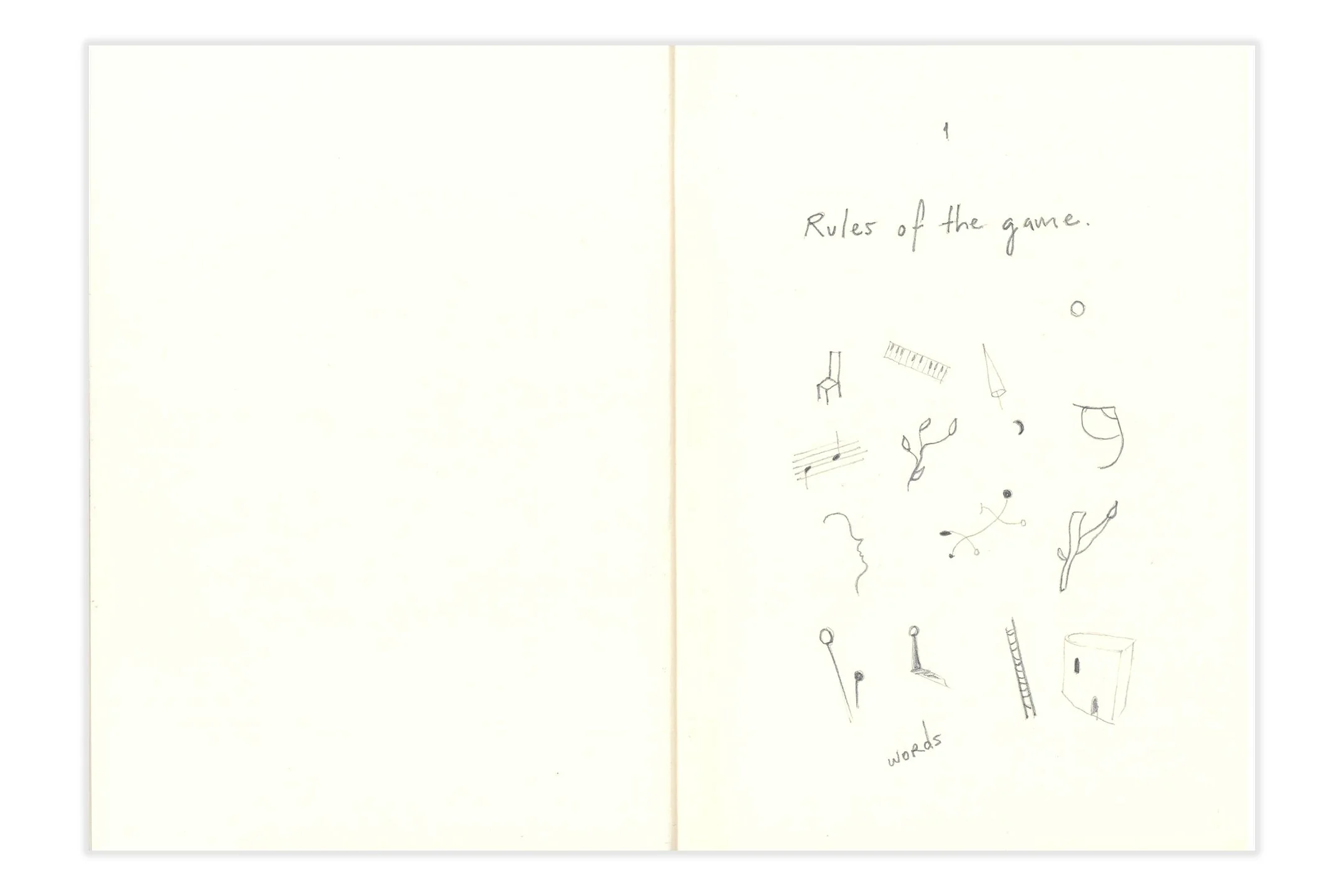
Q: Your practice touches upon quite a few disciplines. What’s the through-line that connects those worlds for you? And how did your path from industrial/spatial design into 3D illustration take shape?
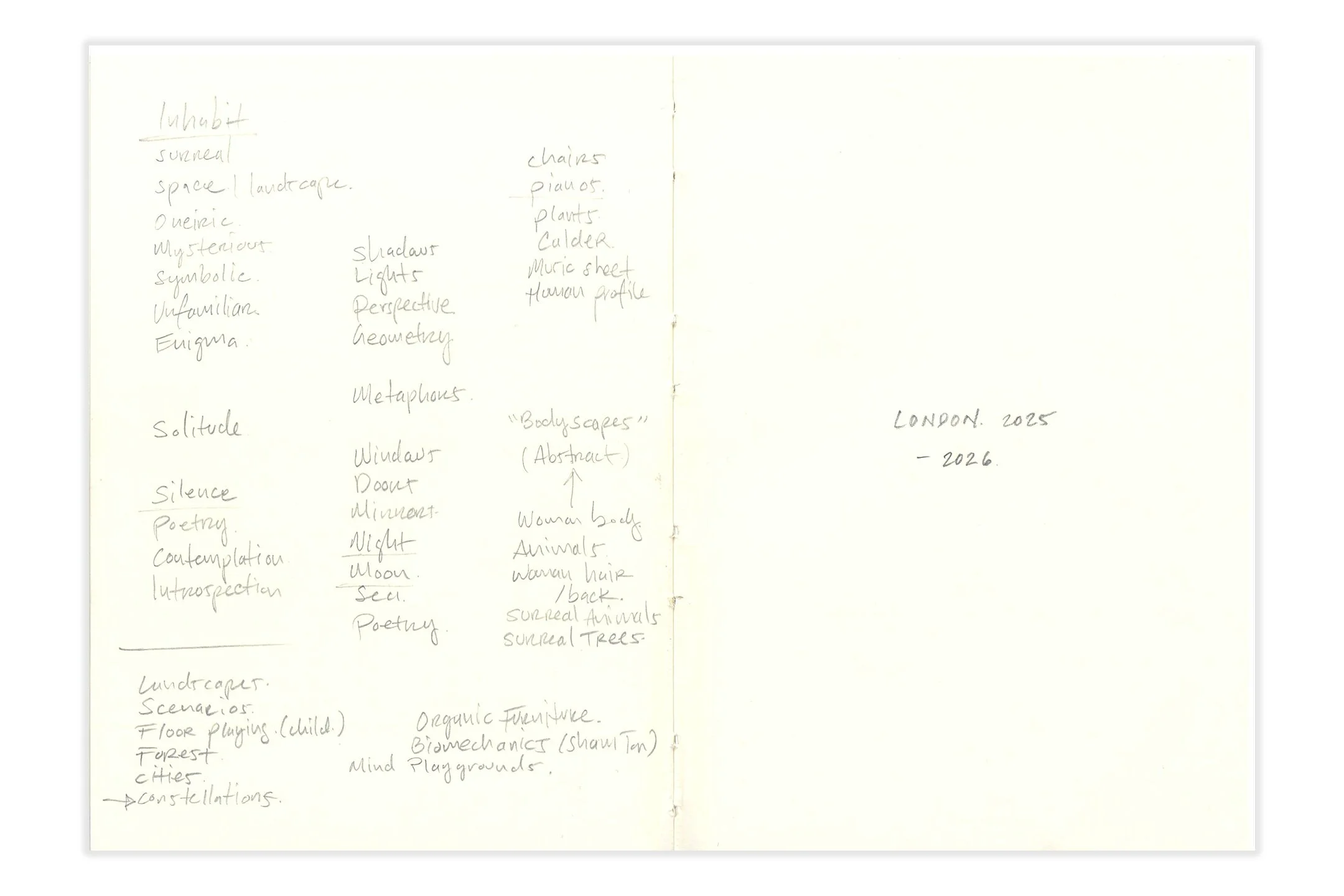
A: My practice revolves around the concept of inhabiting. That's my core field of research through my practice. This could be through physical or imaginary spaces. I always think that we can inhabit a song, a poem, or even the mind or our bodies, for example. So it's a very surreal concept, but I love to represent it across all my work, whether it's an illustration, a song, a design for a client or even an animation.
Regarding the other question about industrial design versus illustration… It started when I was studying industrial design. I remember I fell in love with 3D software right away. And after I graduated, I started working on interior or experiential design projects and over time, I mastered these tools. So when I decided to start creating my own worlds through illustration, I realised that this skill could help me represent this world in a very specific way.
So I decided to merge both worlds at some point.
Q: A lot of your work is formed around surreal places built through a sophisticated representation of form and light. What are you usually trying to communicate emotionally with these environments?
A: One of the most important emotions I want to, or try to convey, is solitude, which I really like to understand as something very different from loneliness, no? Some artists and researchers tend to say that solitude is a kind of happy way of being by yourself. So I'm fascinated by this idea of, for example, just enjoying our surroundings with a contemplative mind and a poetic vision. For example, if everything suddenly suspended or became trapped in time, just that fragment or that moment… Sometimes I feel like these images are very silent or as if there's a deep silence there. I feel like emotions are revealed through forms, light and shadows. Of course, it depends on the viewer, you know? But yeah, I like to communicate this introspection, mystery, silence, and poetry.
Q: You describe your 3D Compositions as an “explosion of meanings”. When you’re building an abstract environment, where do these explosions begin?
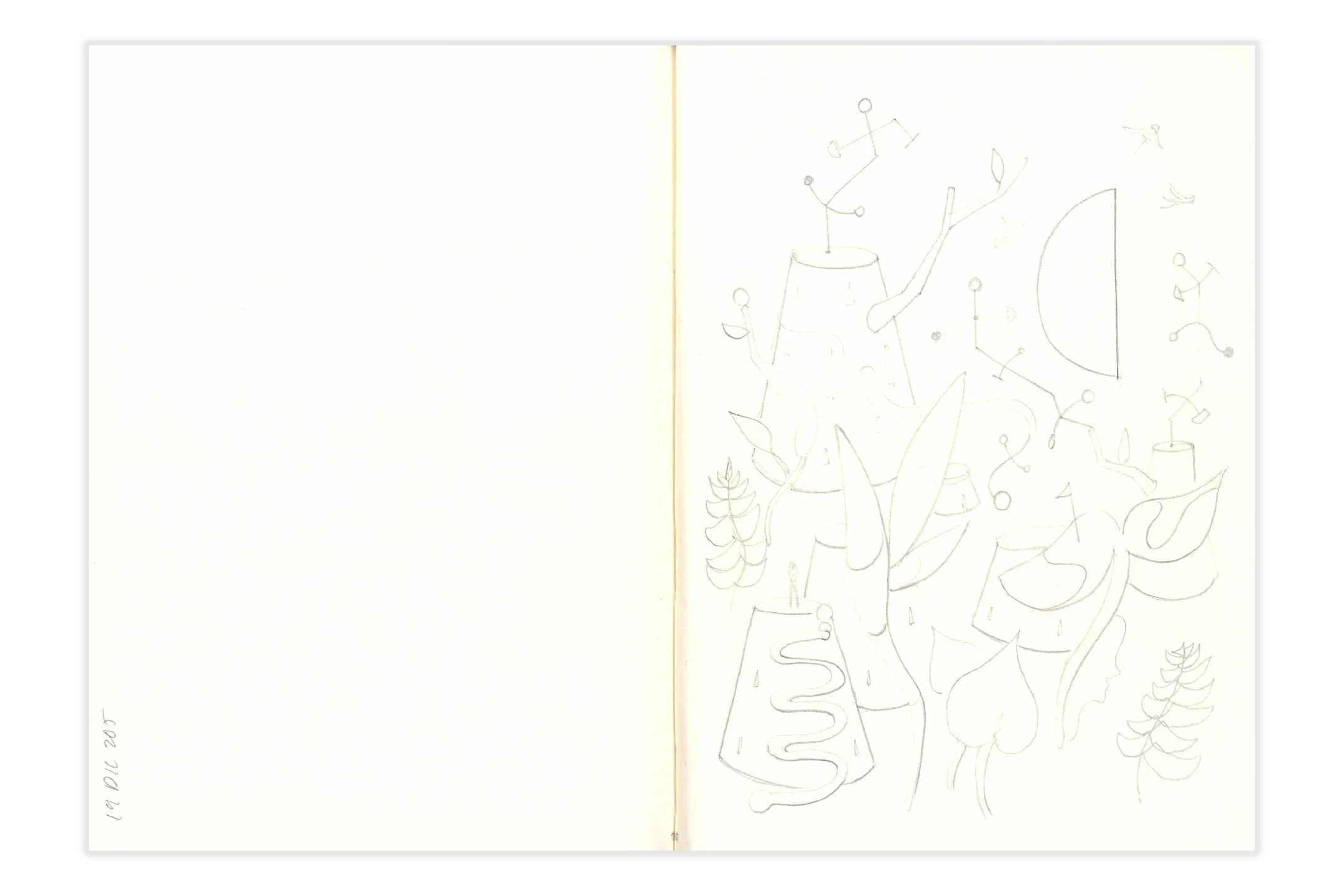
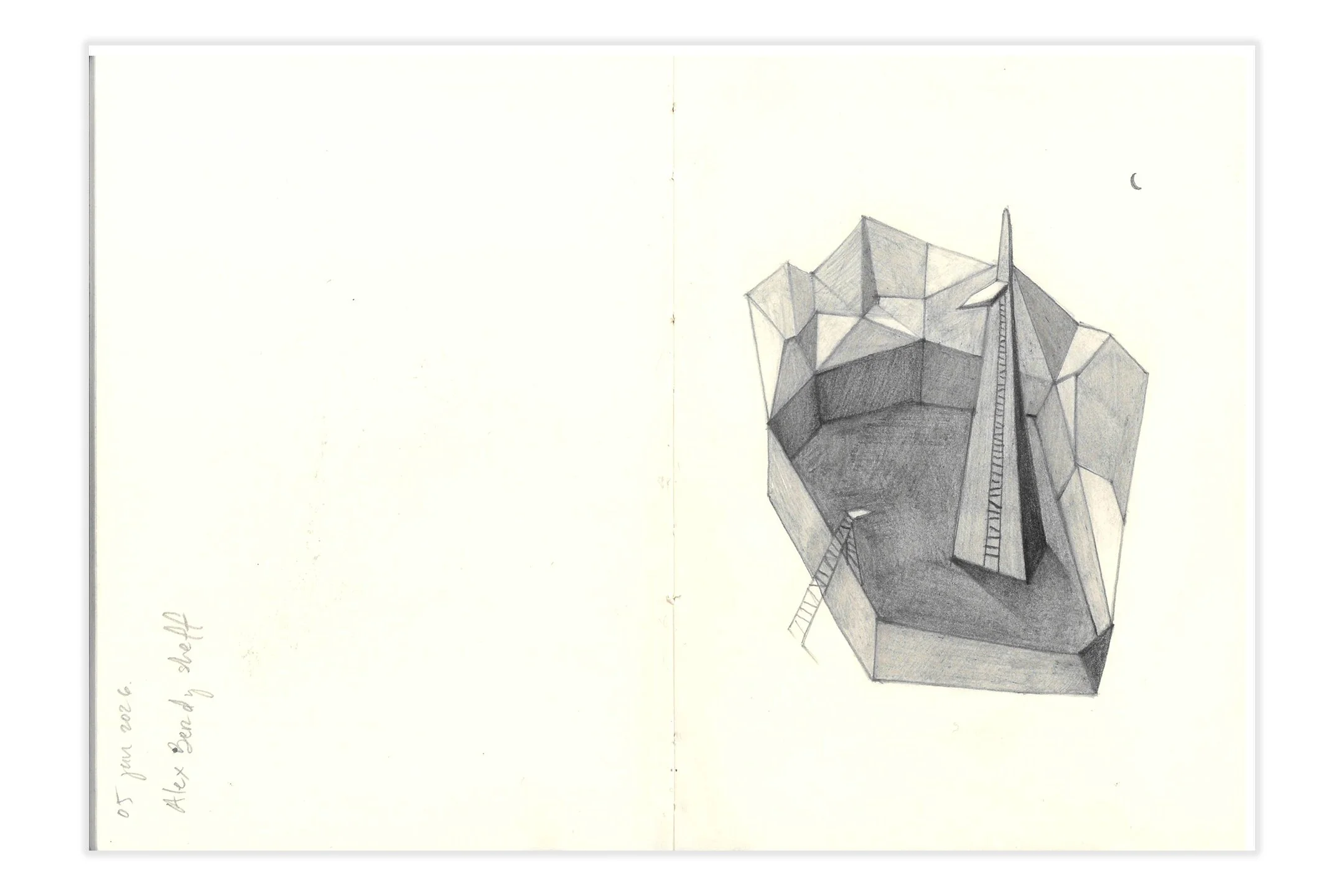
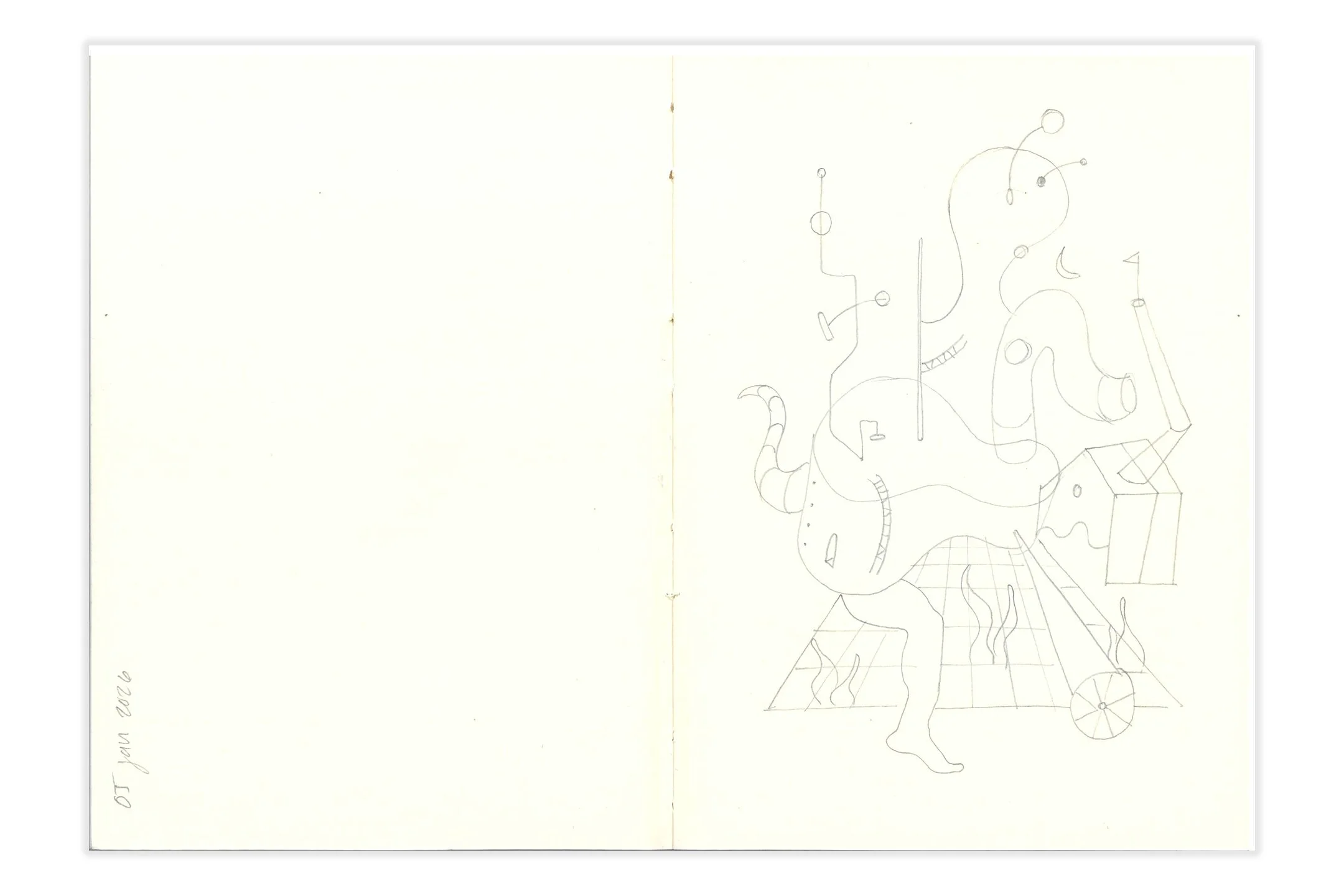
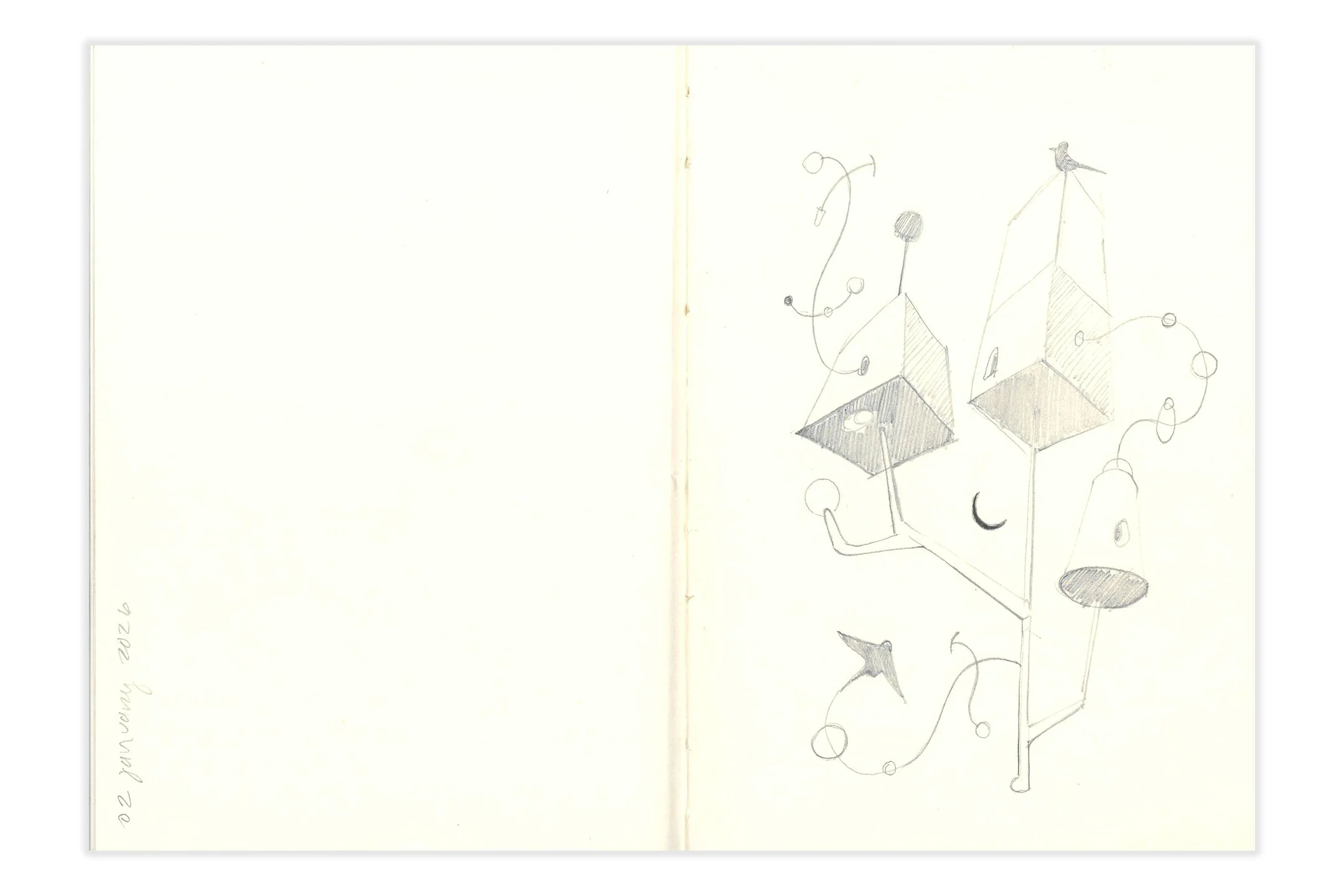
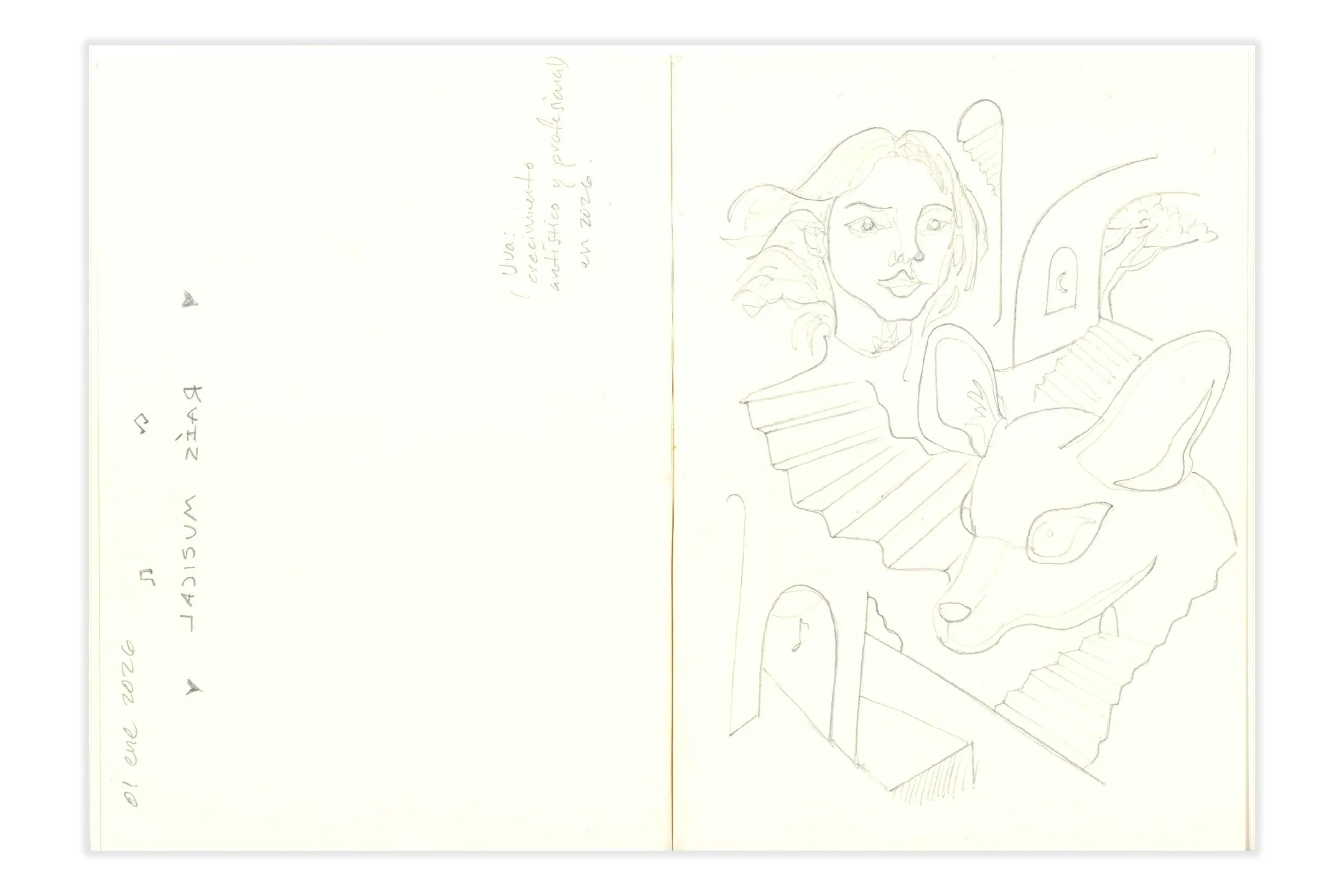
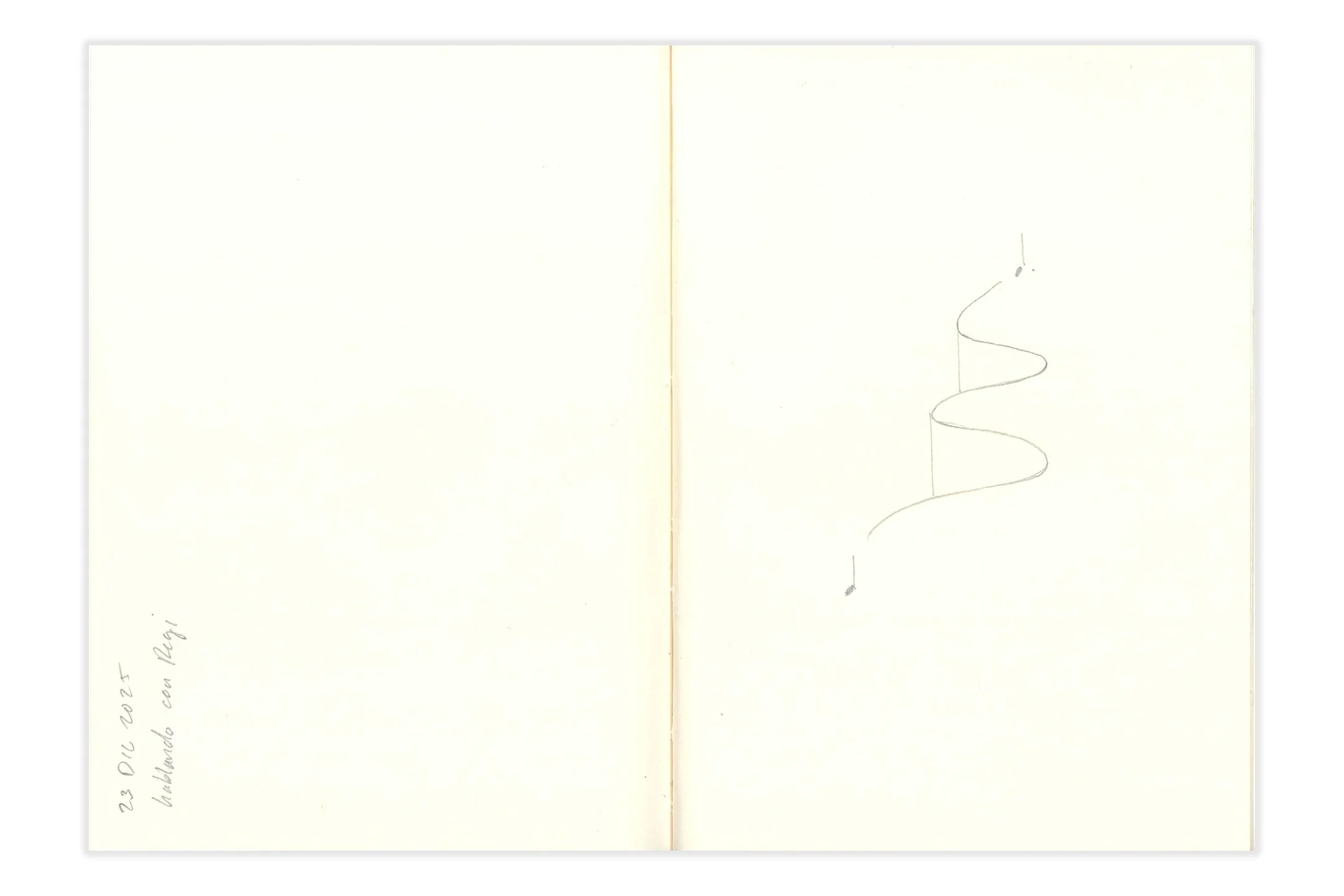
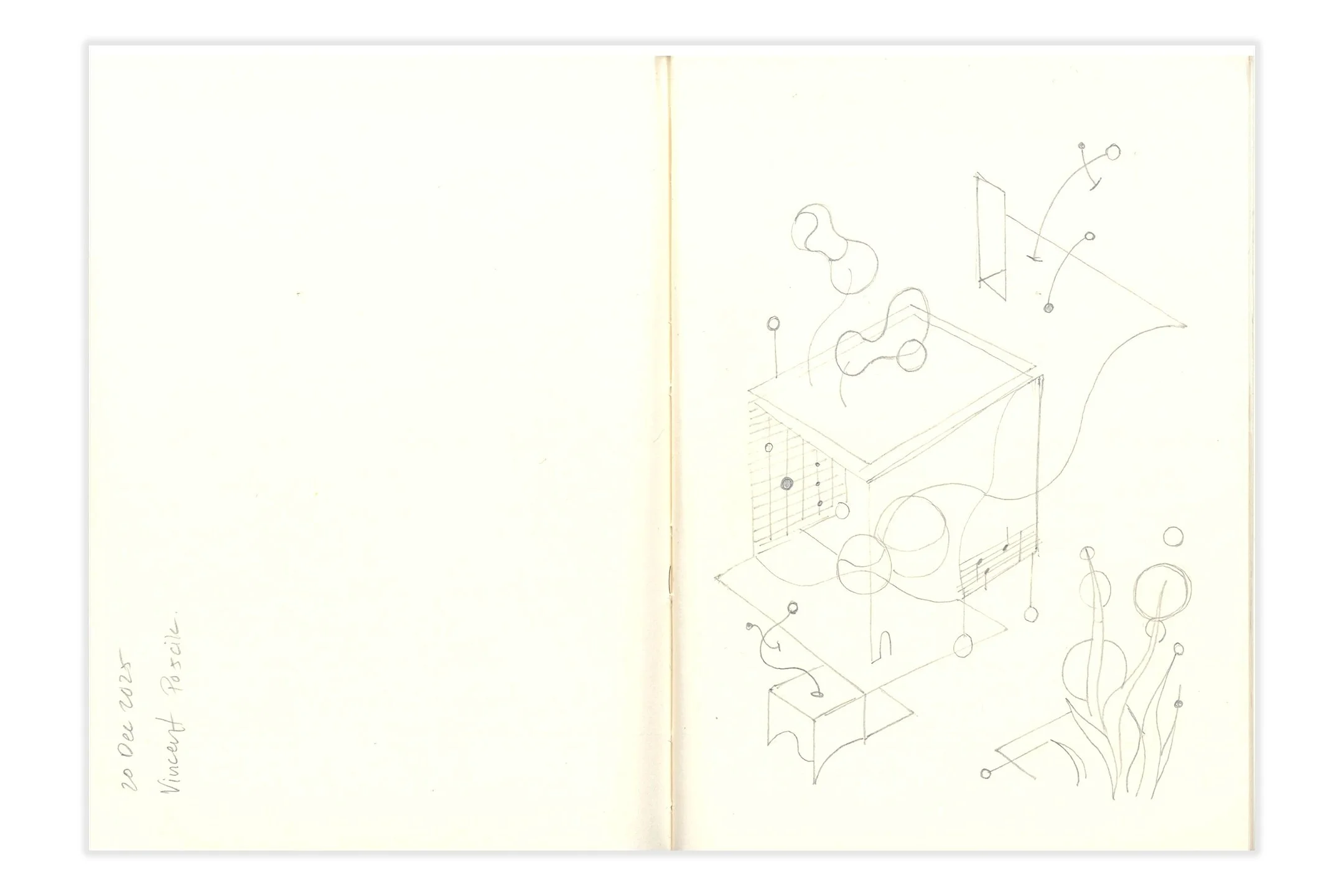
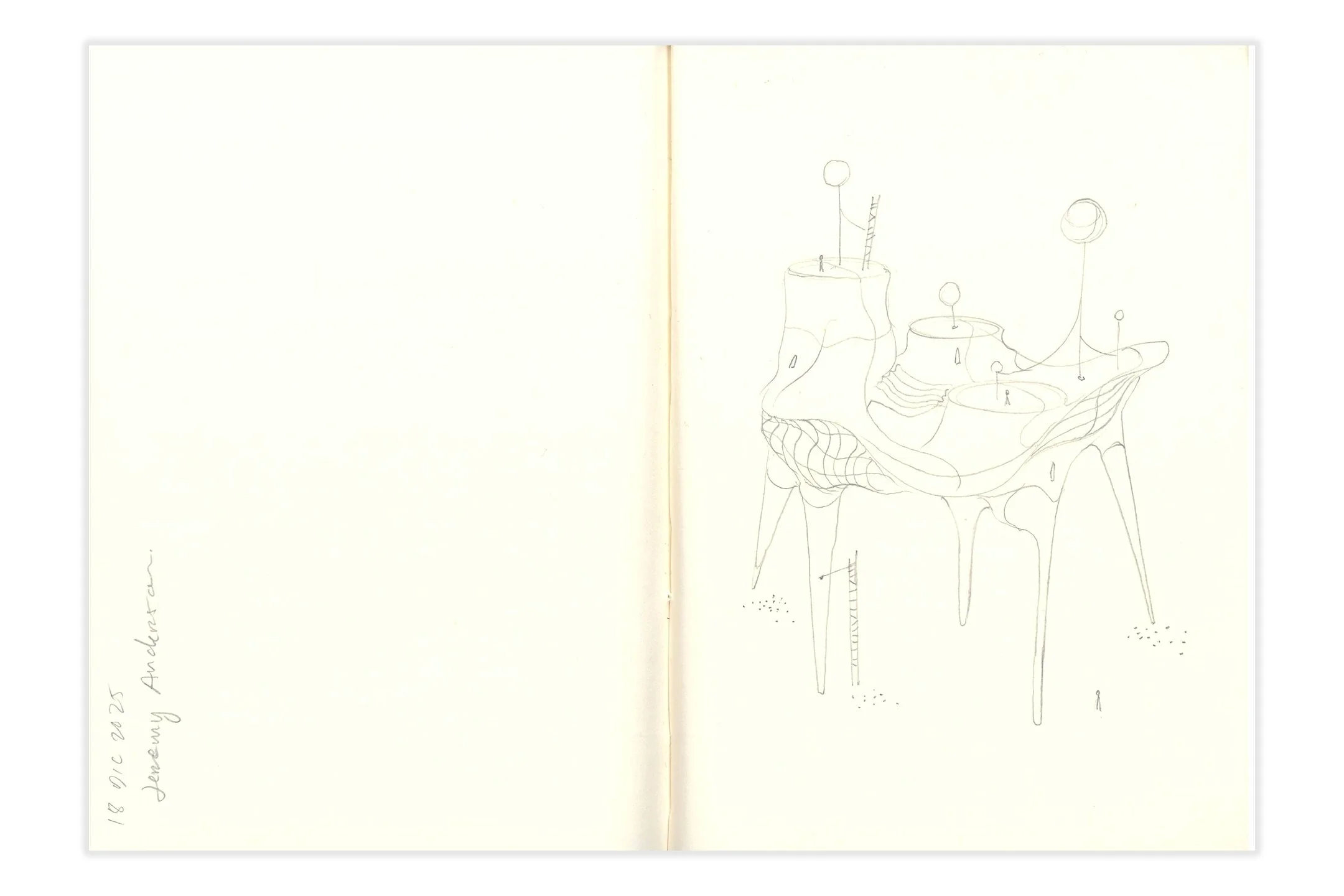
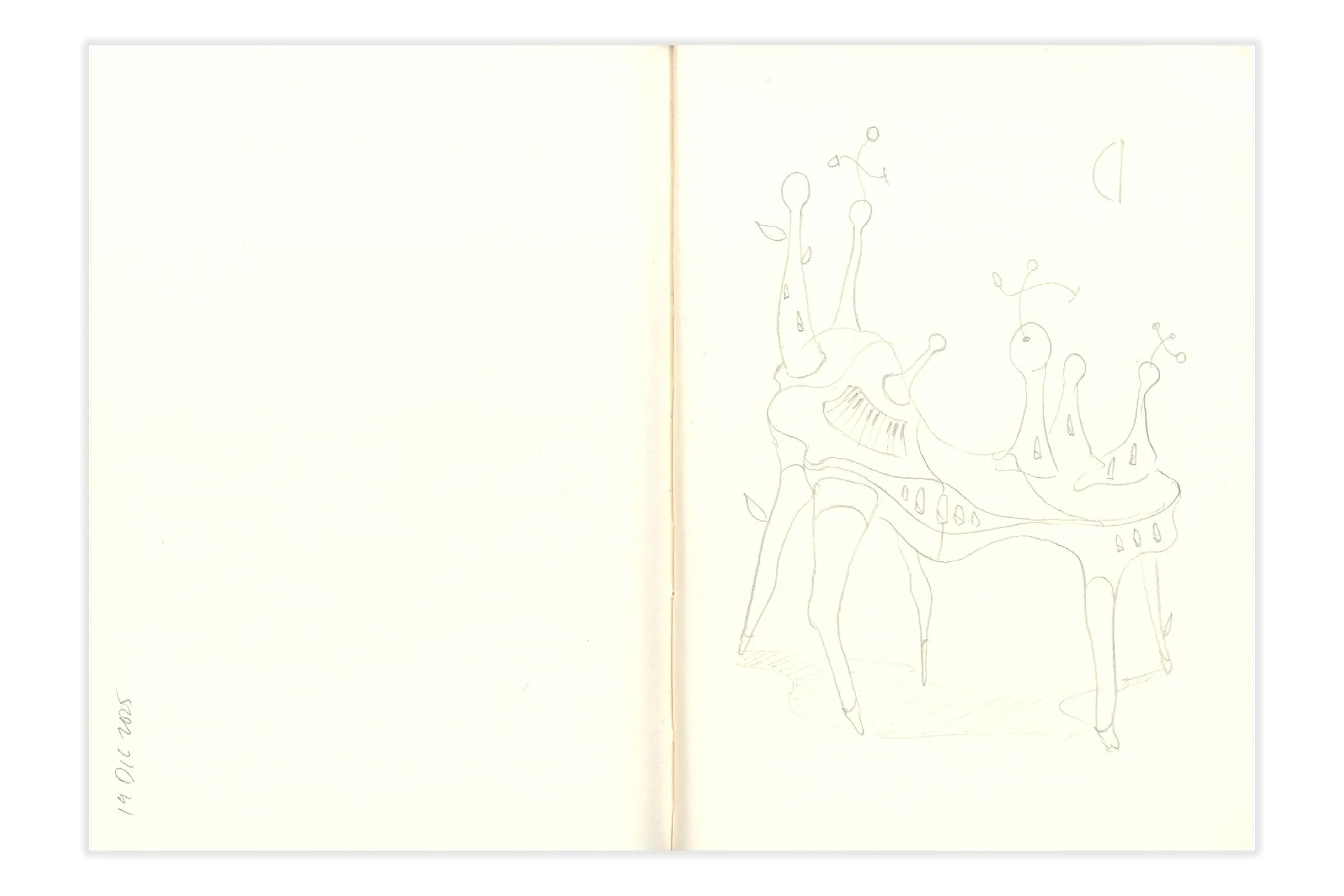
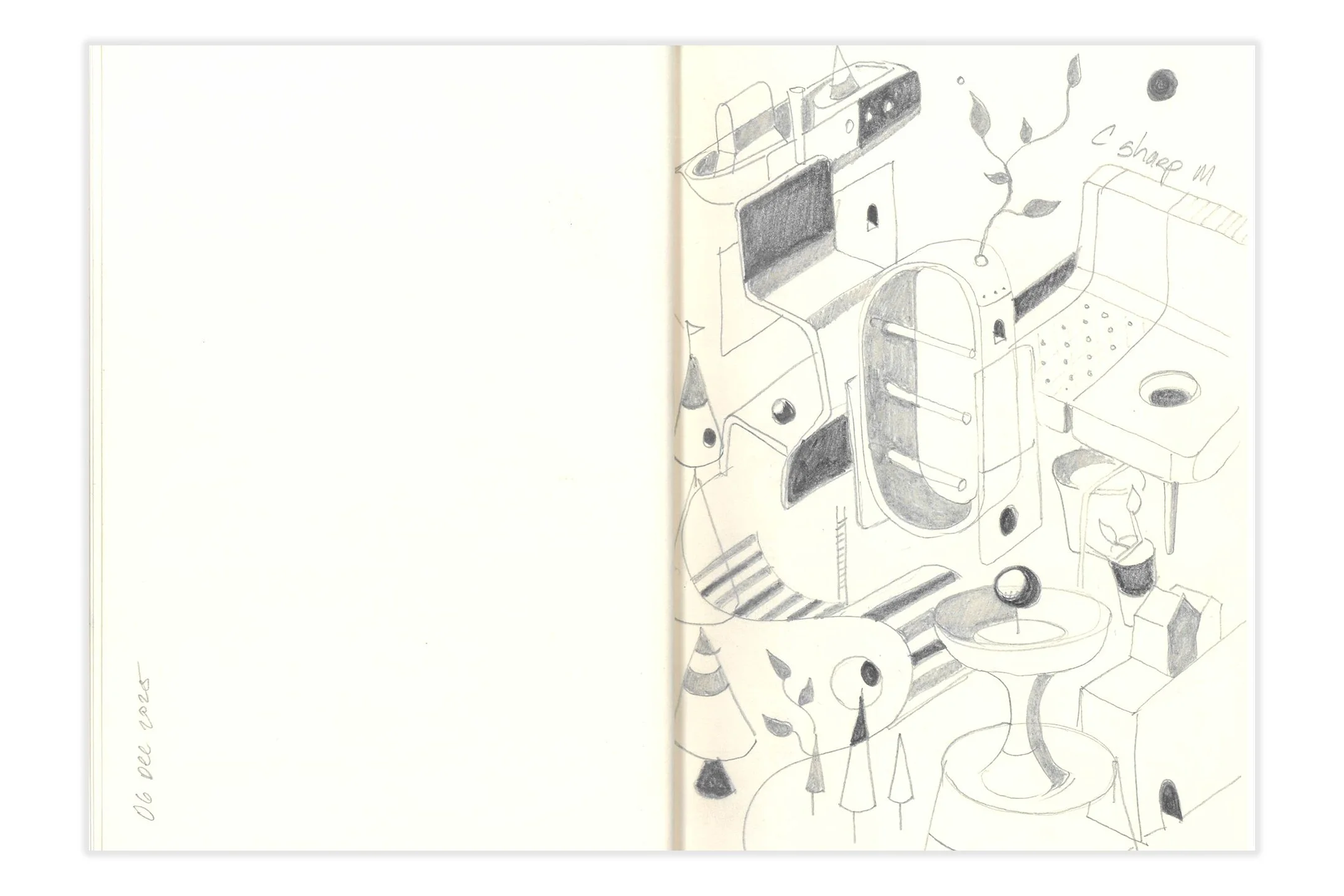
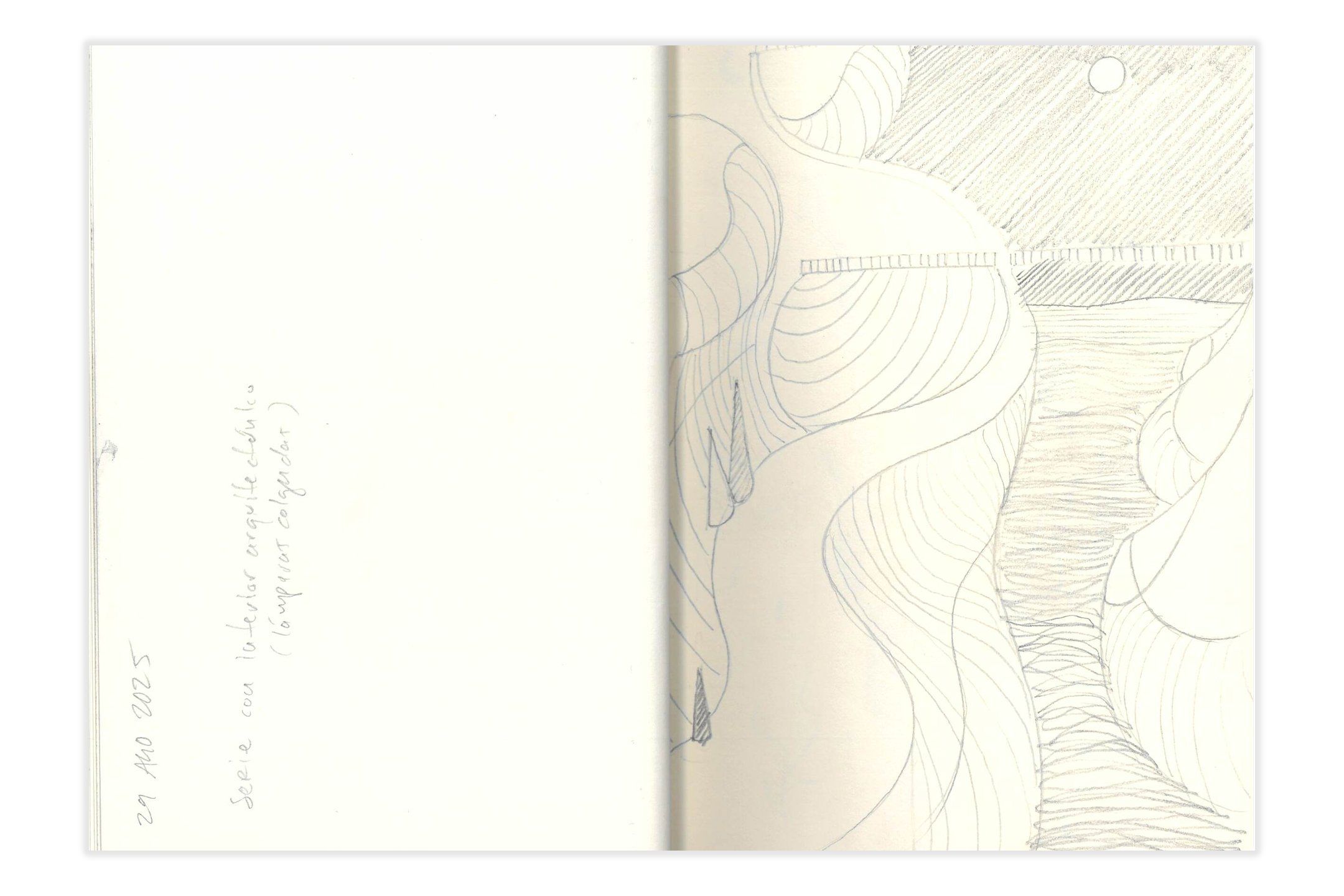
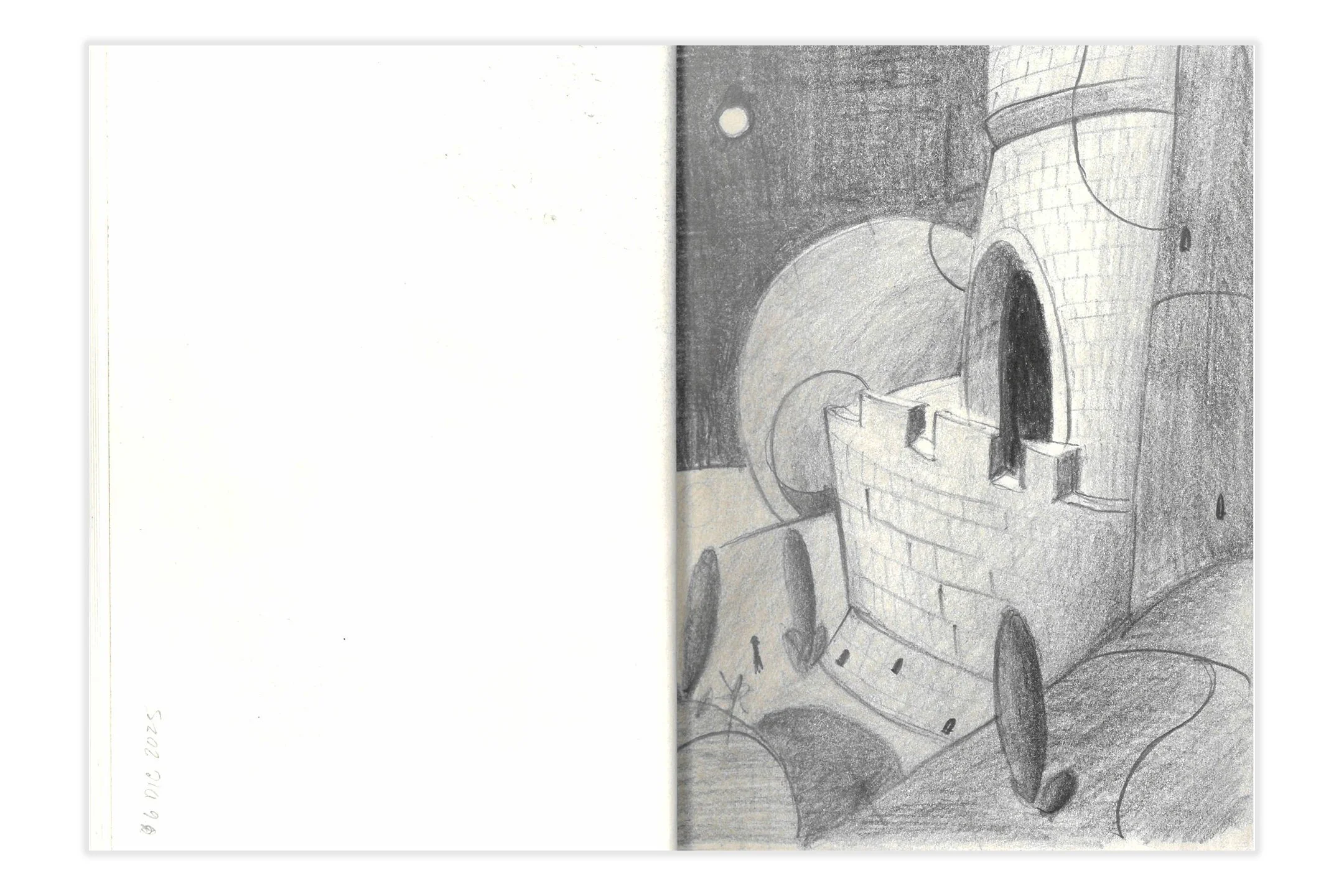
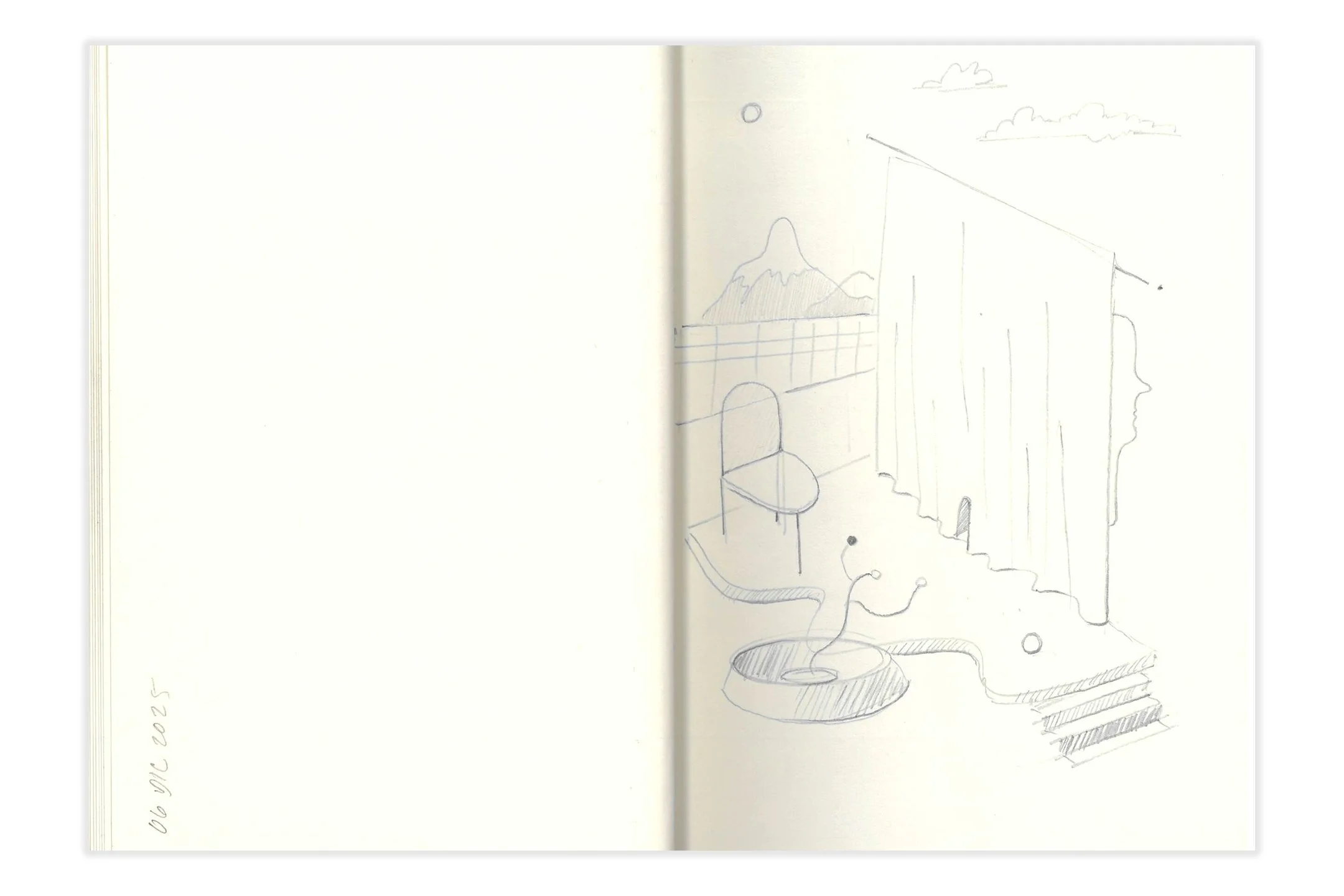
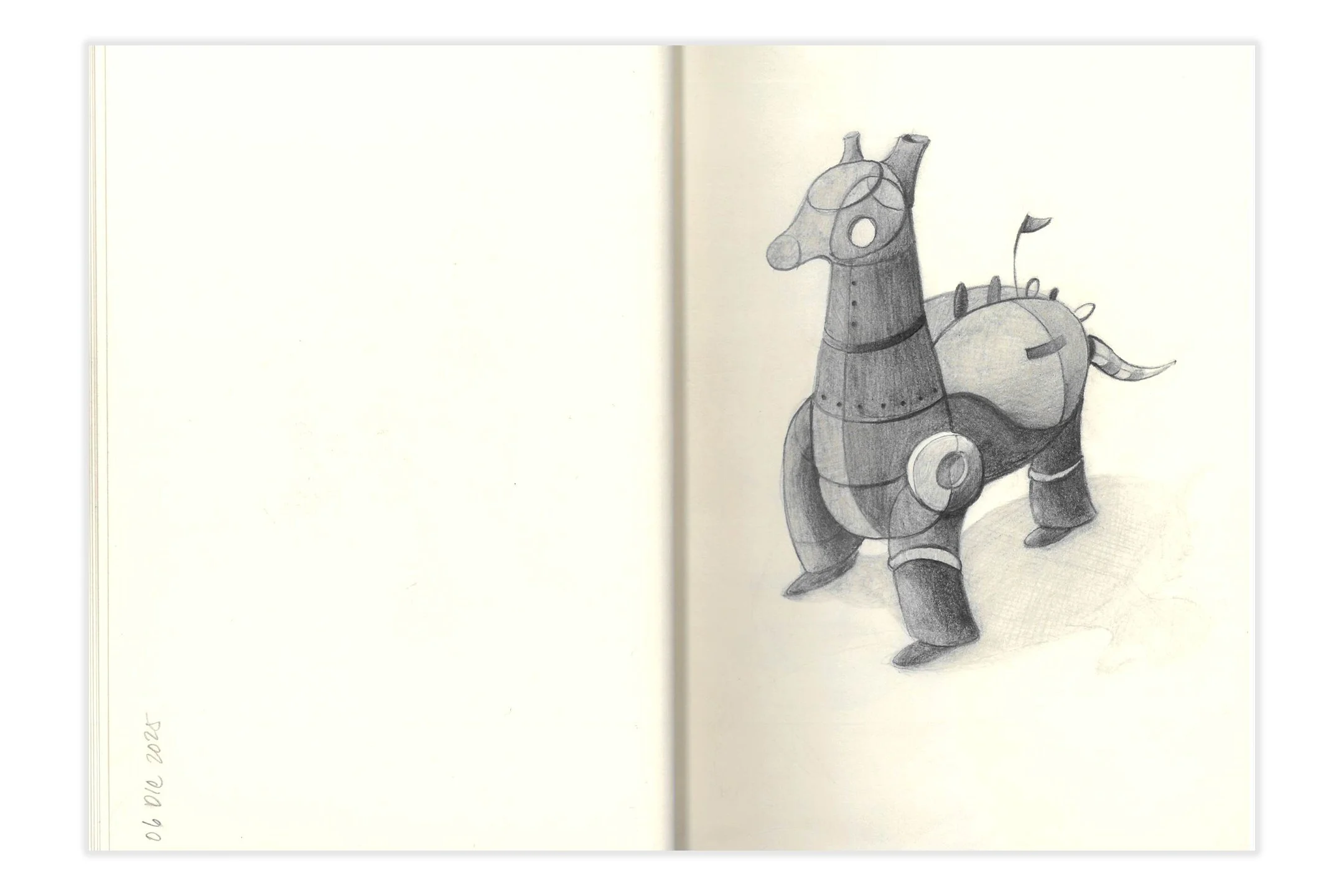
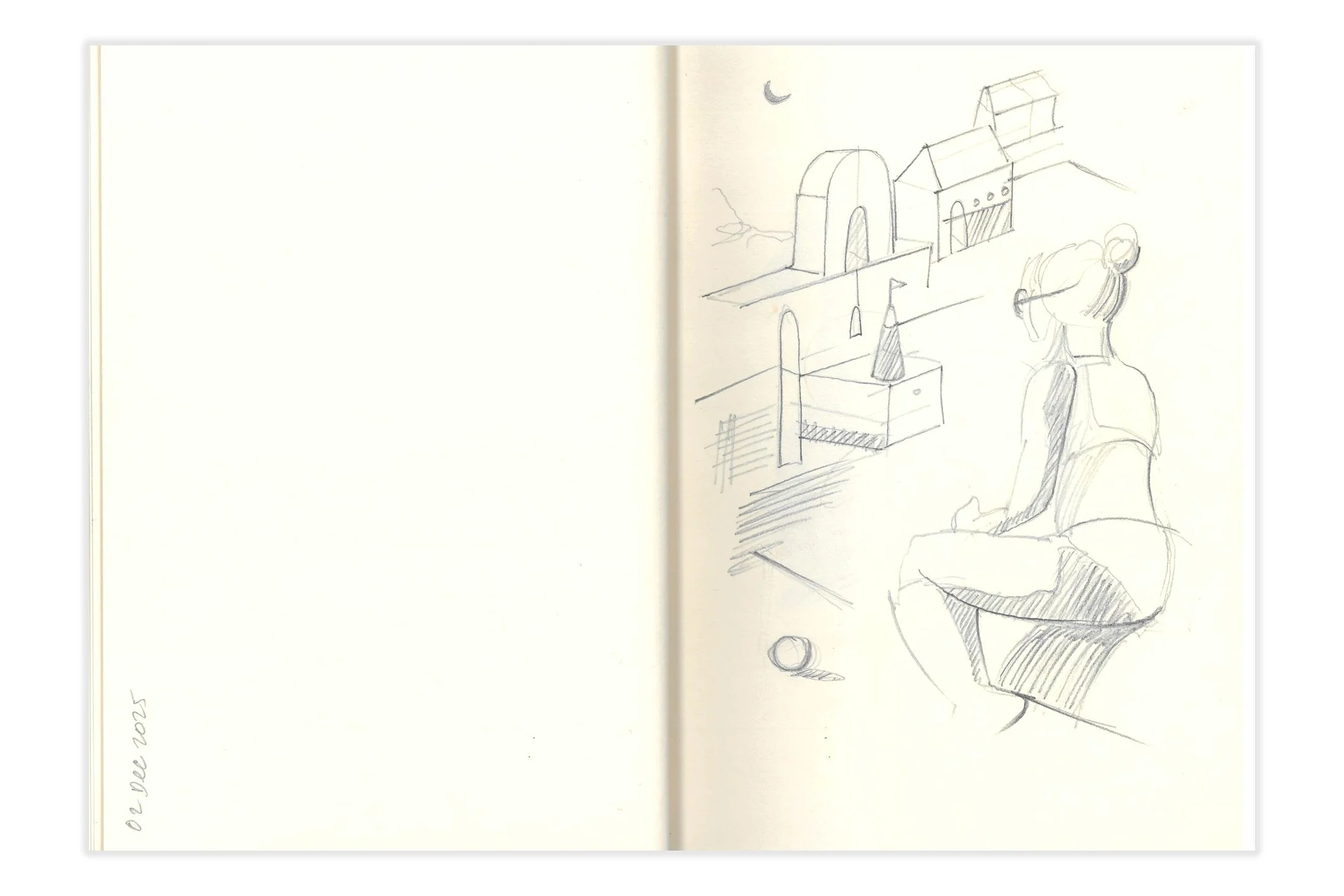
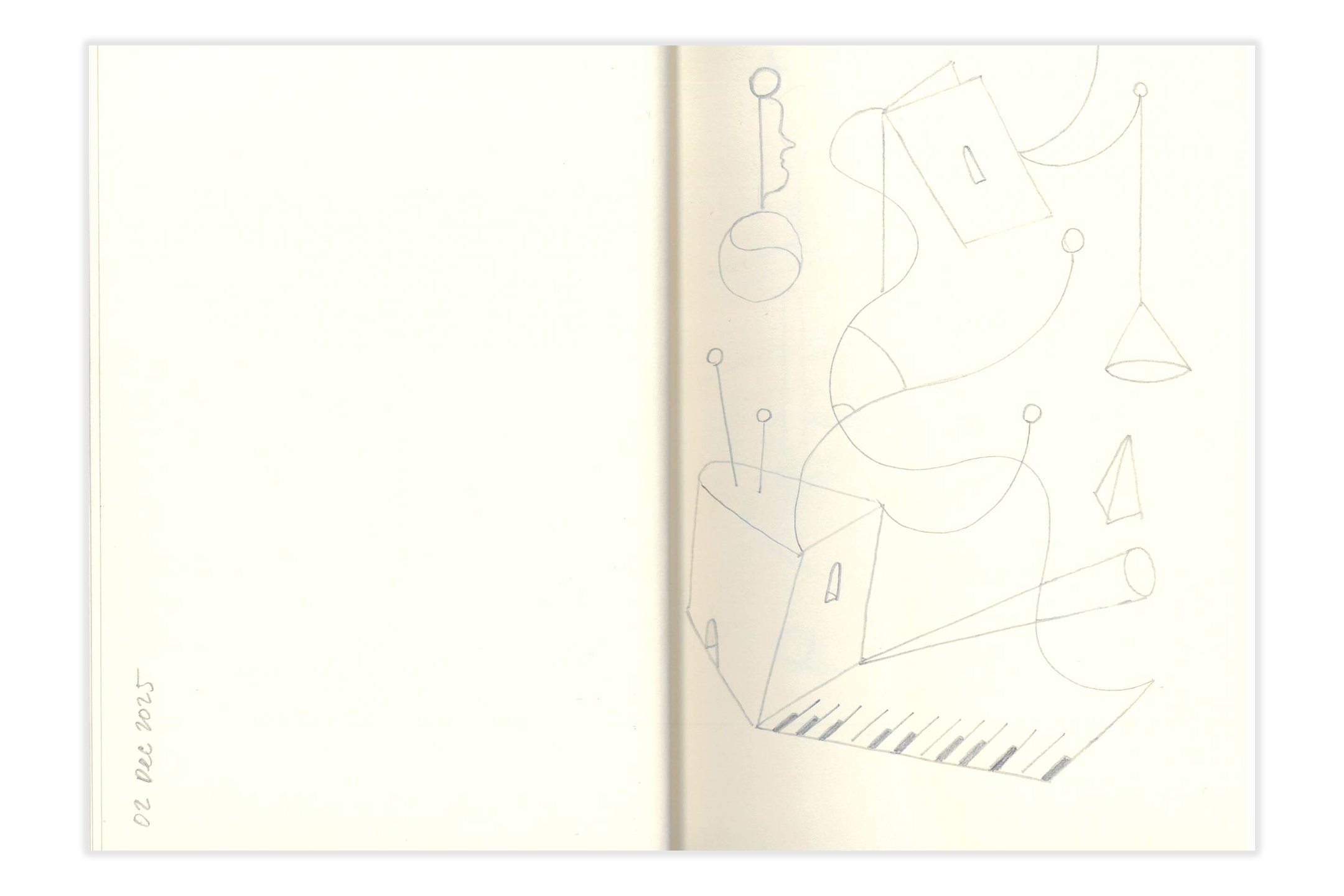
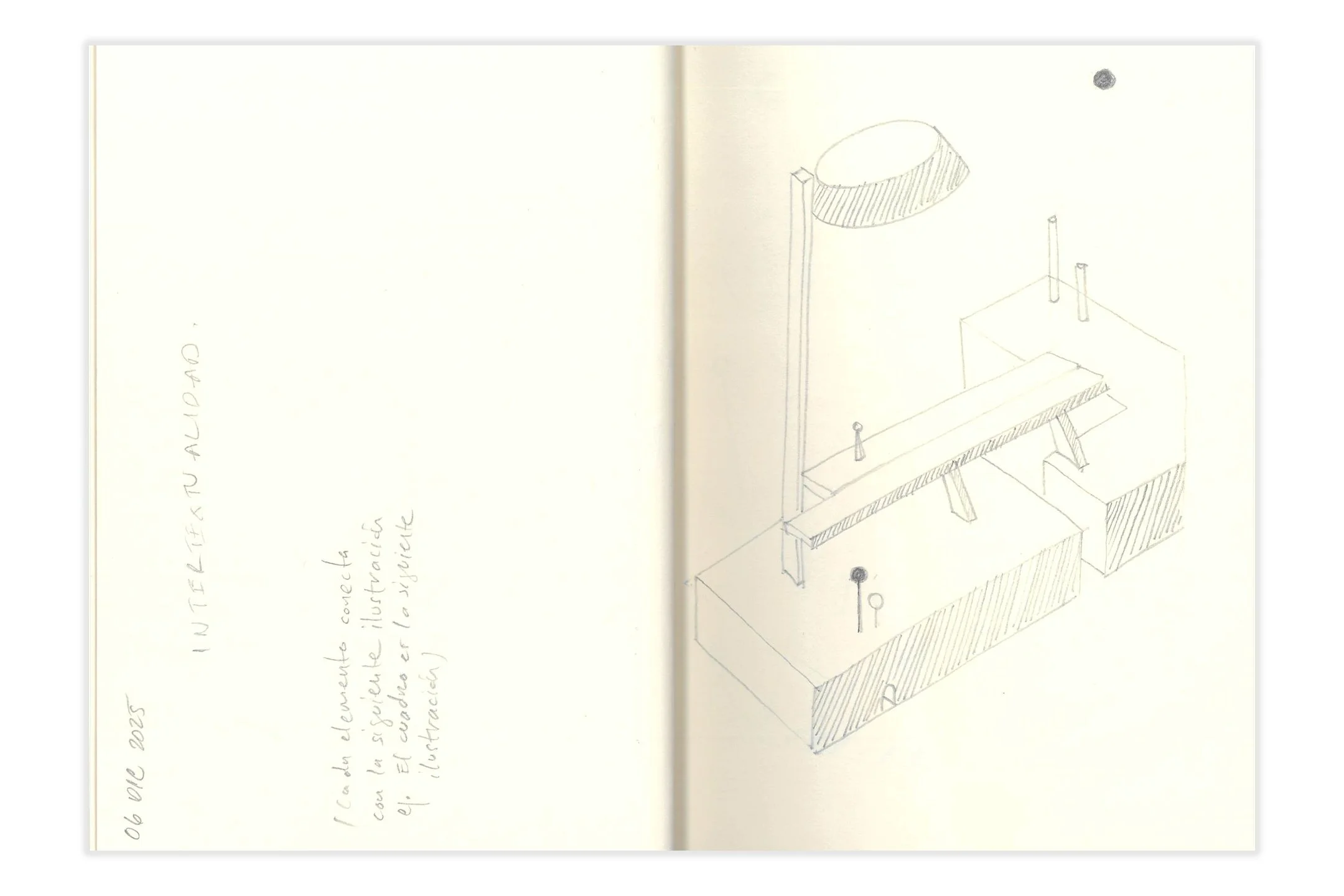
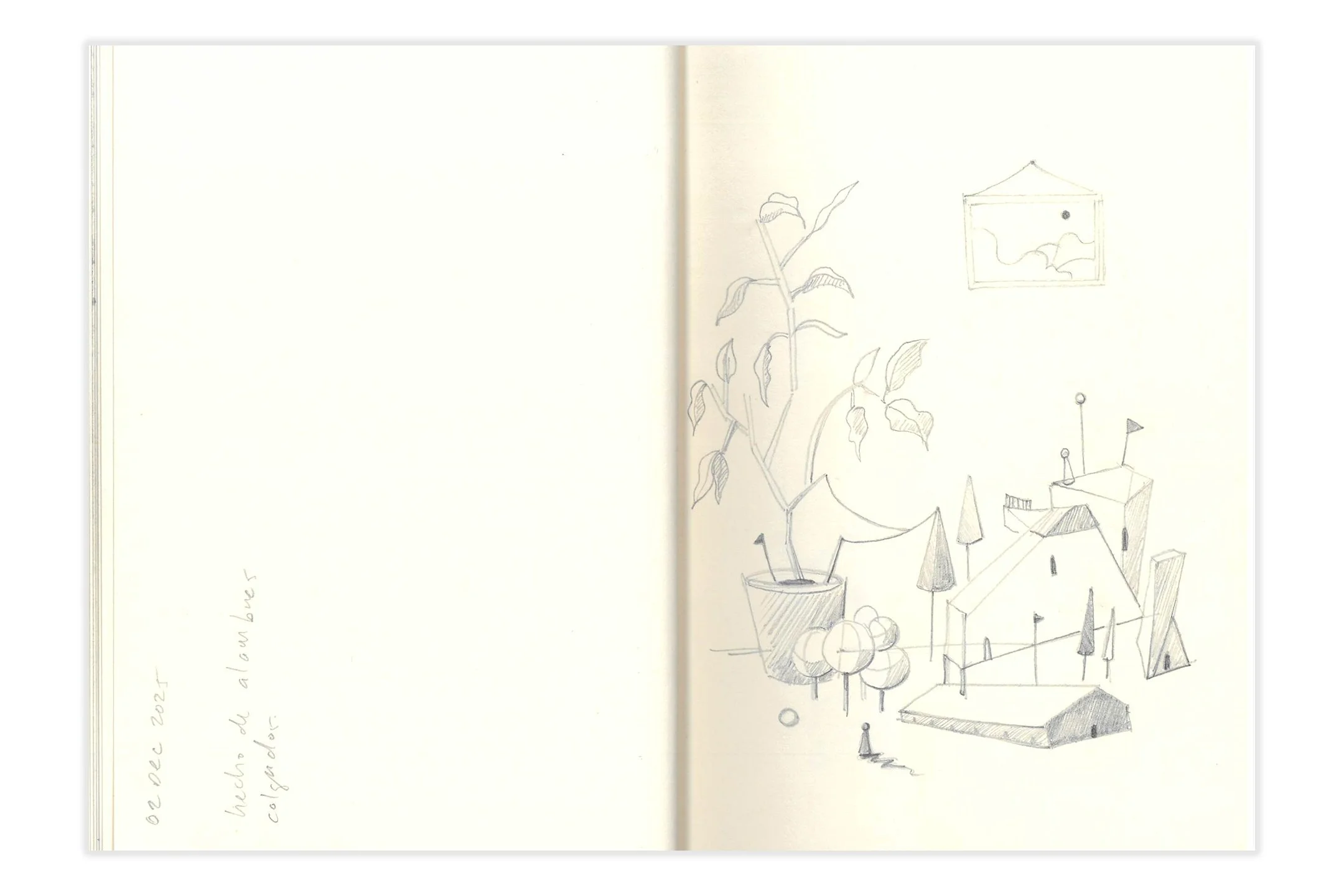
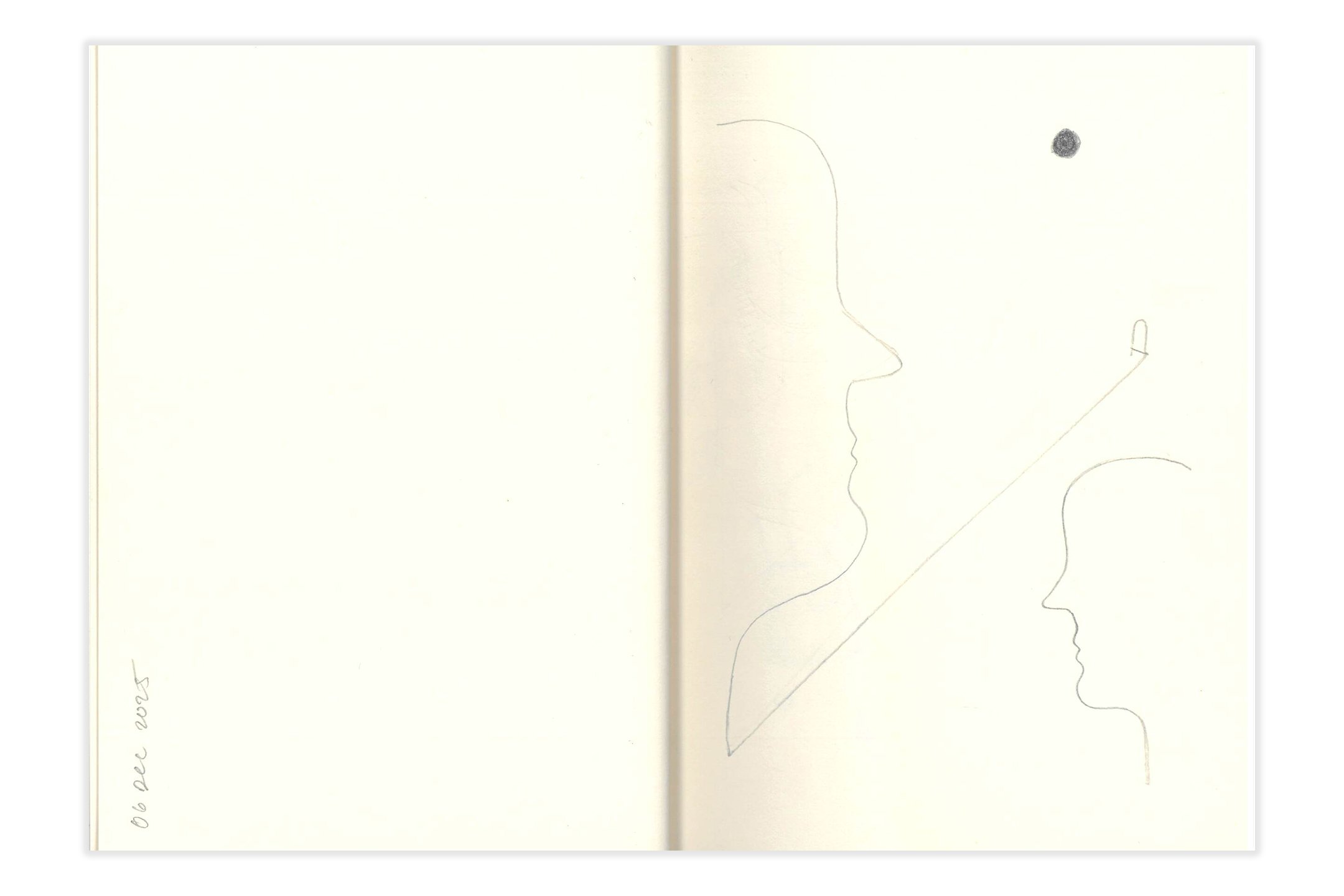
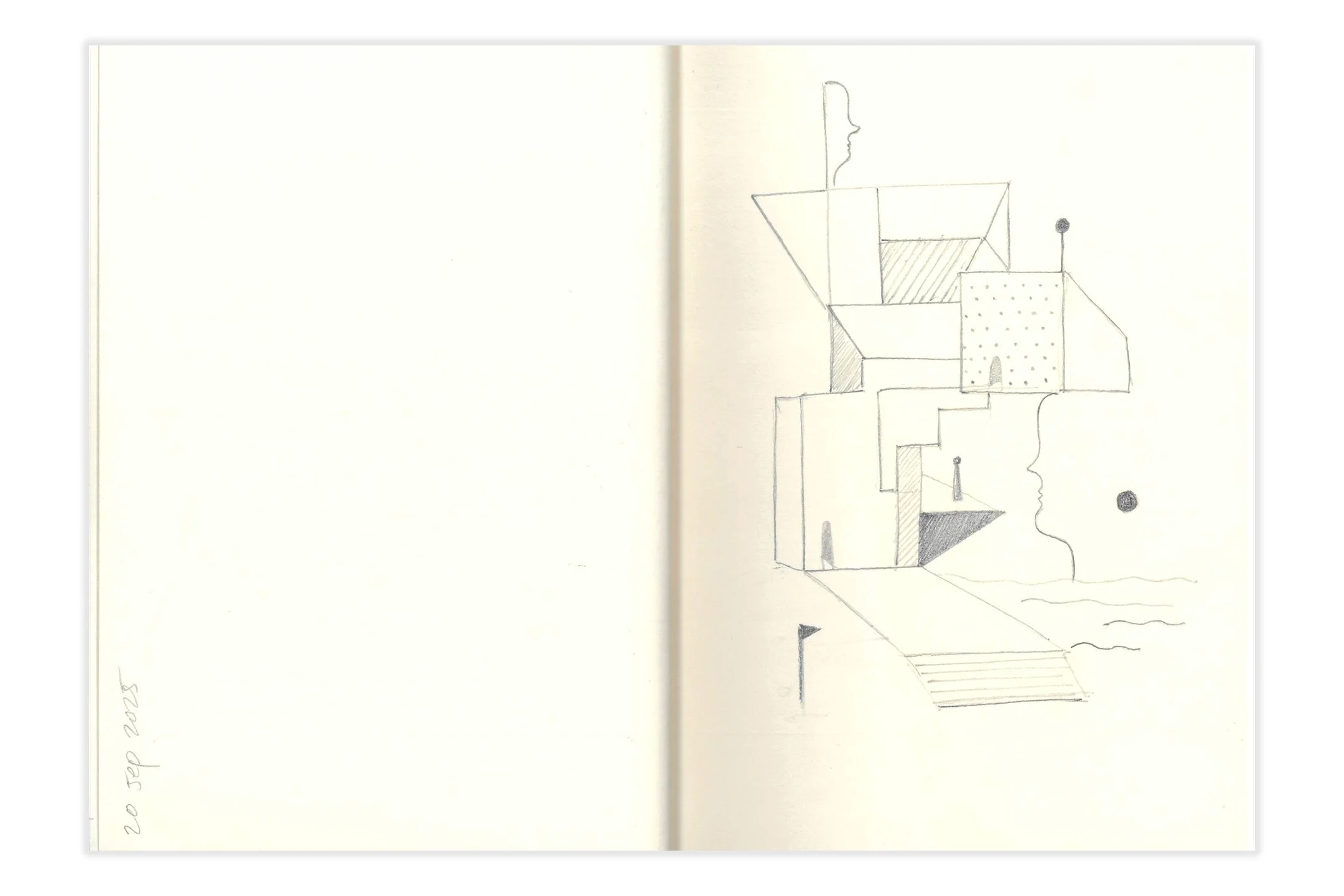
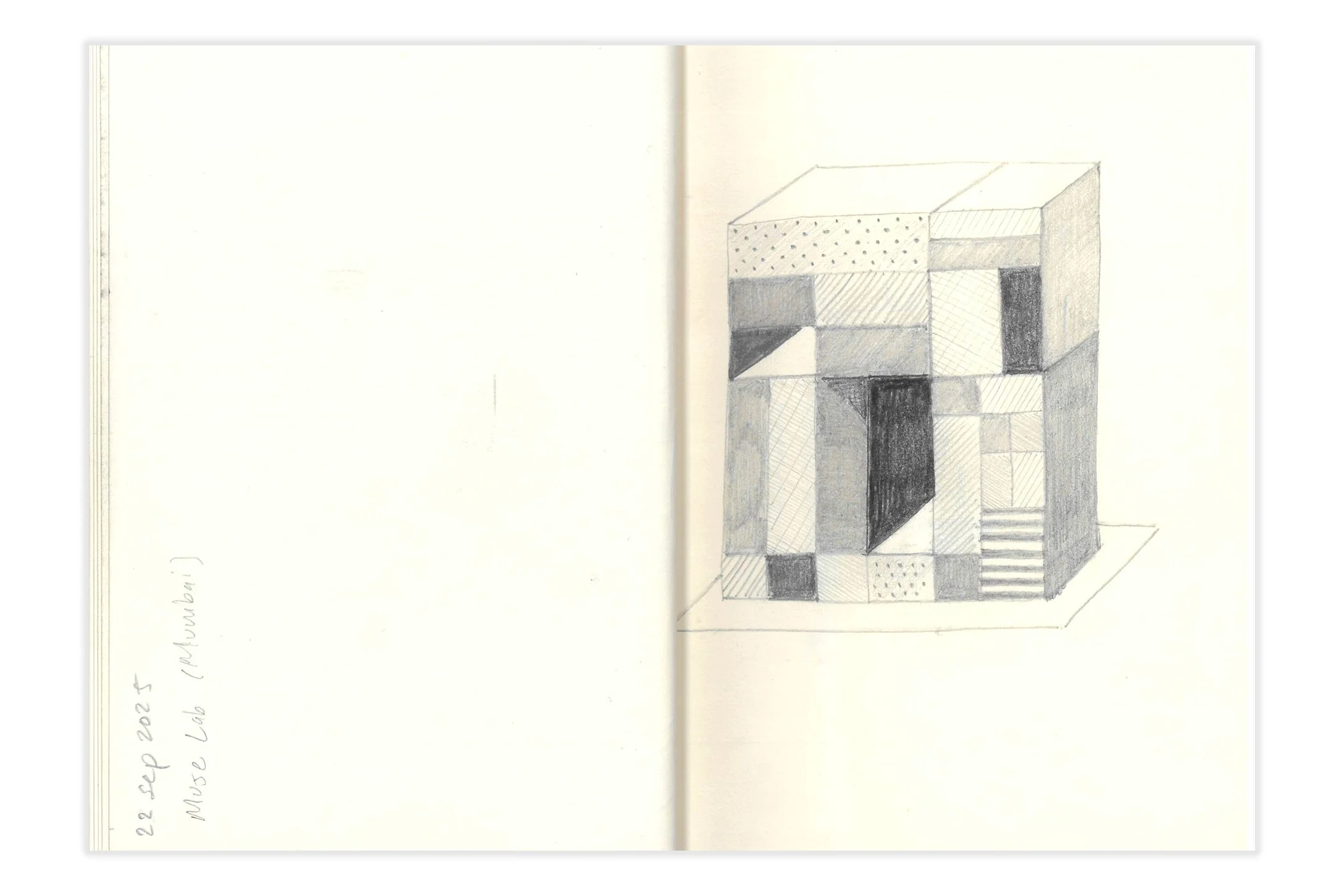
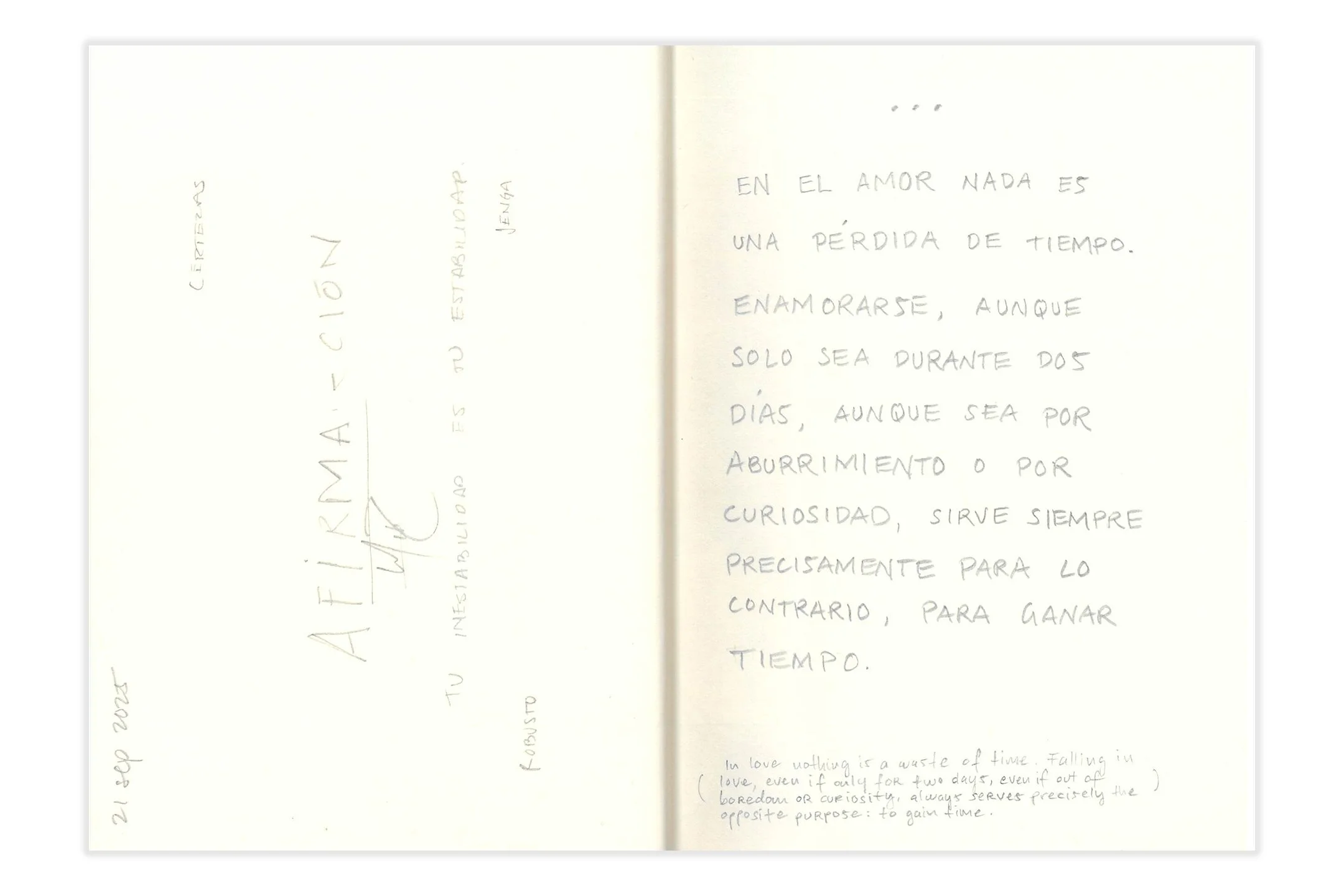
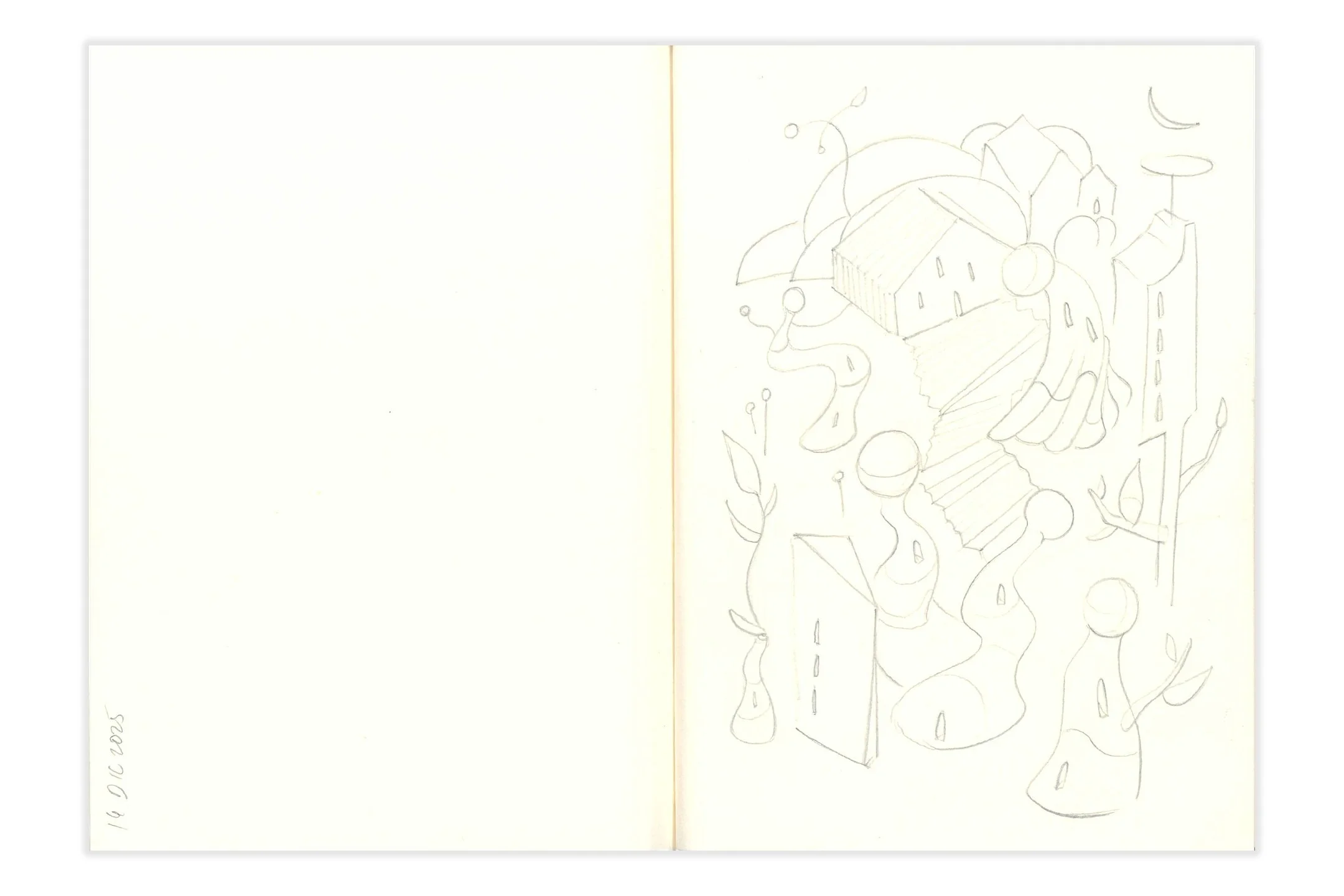
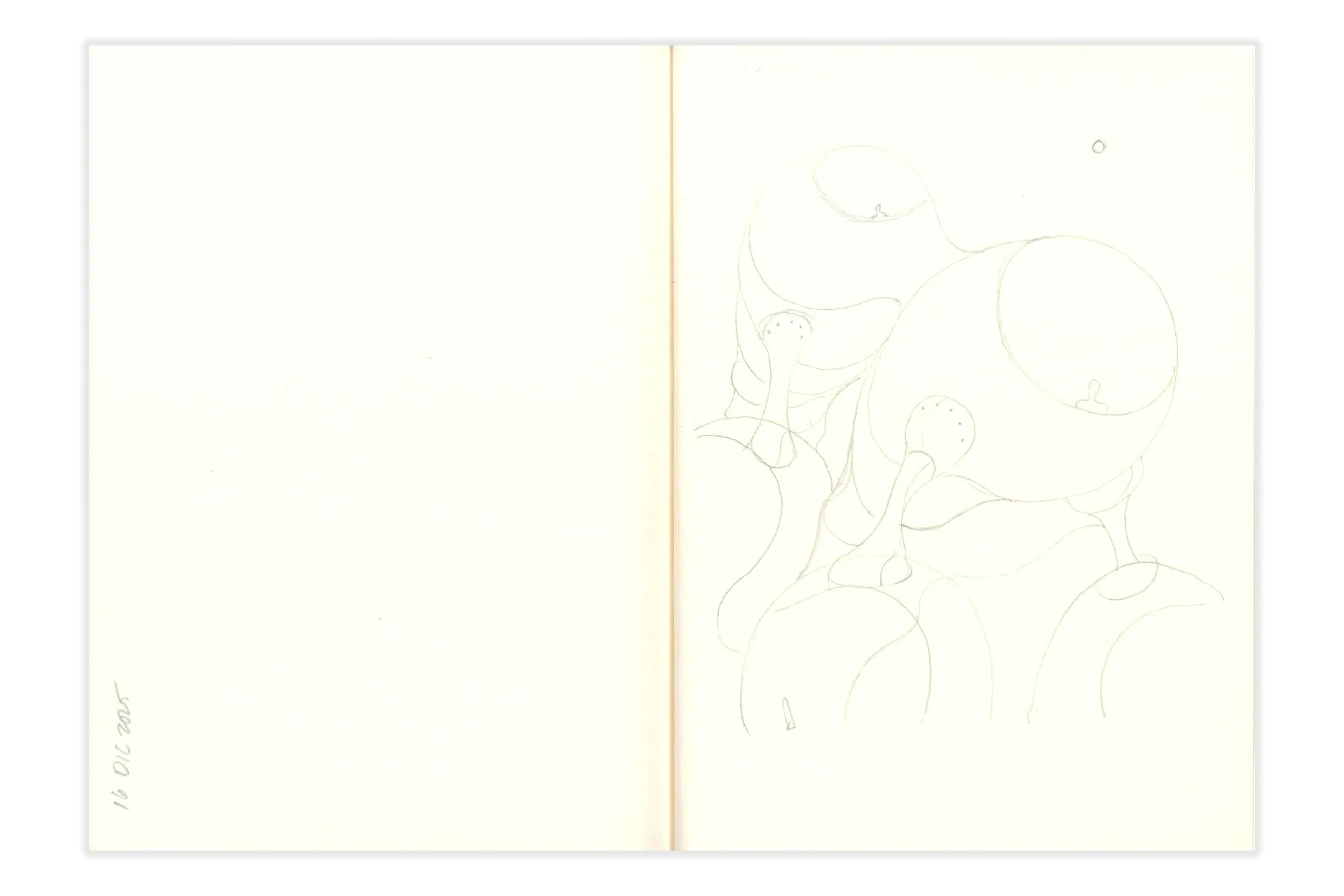
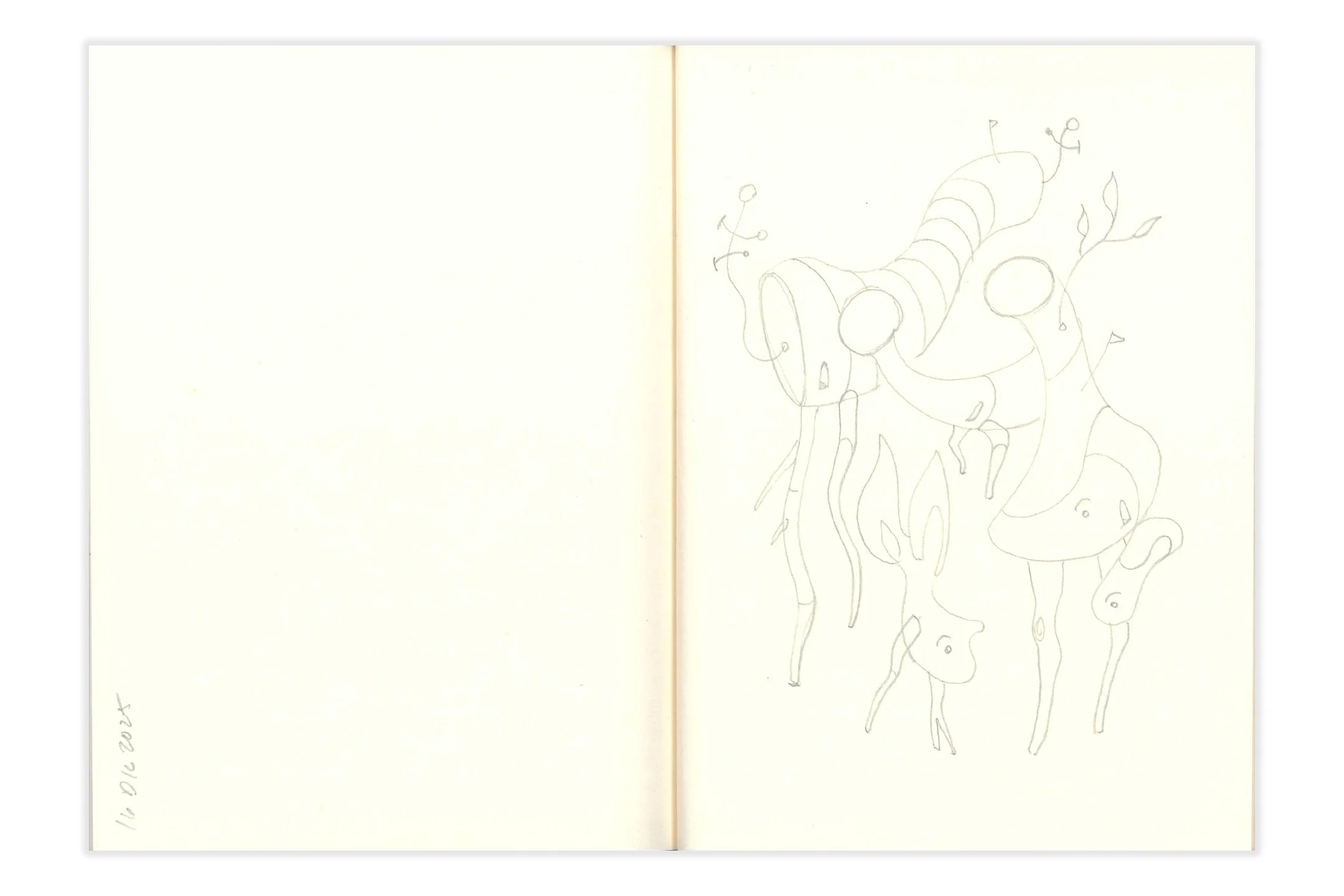
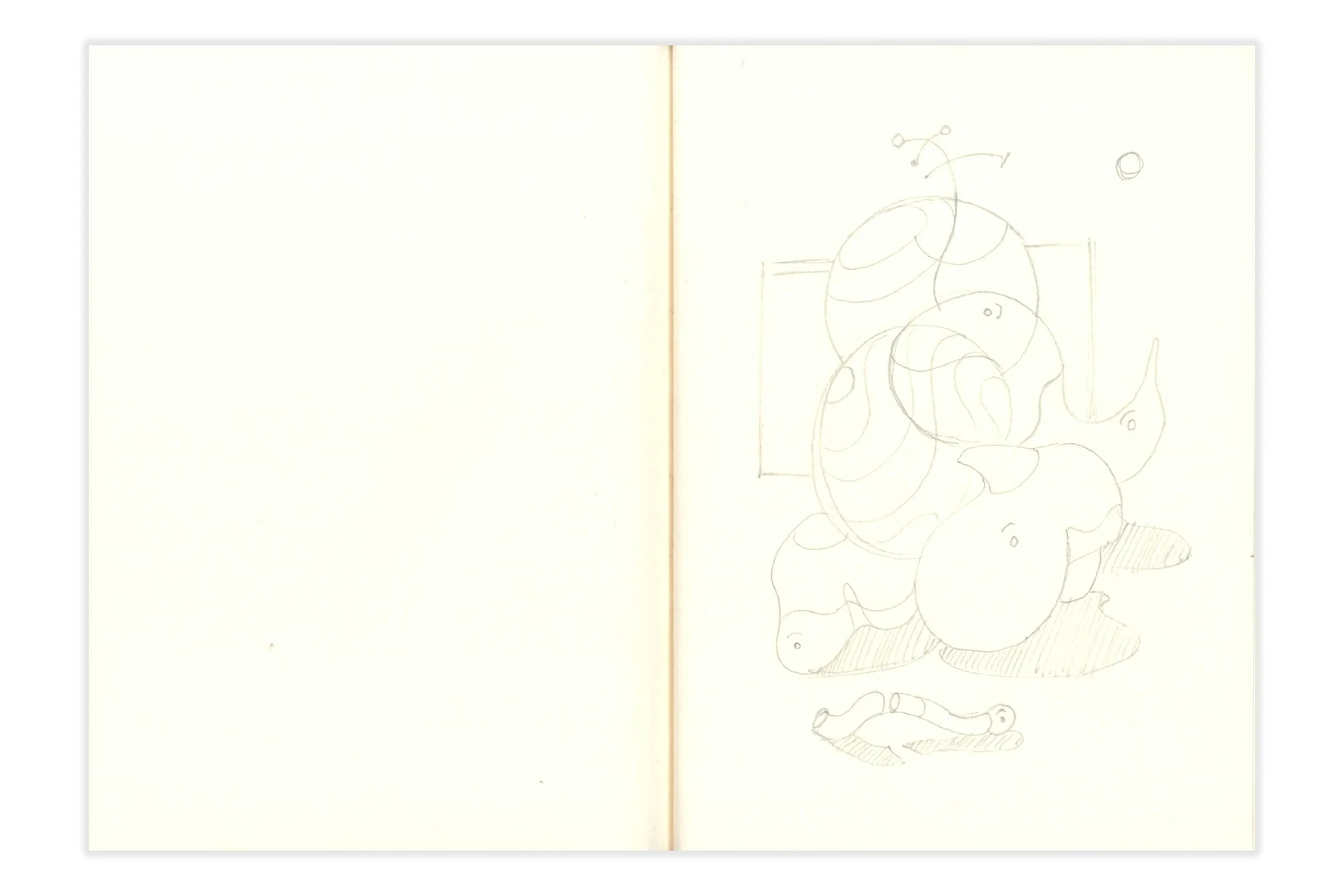
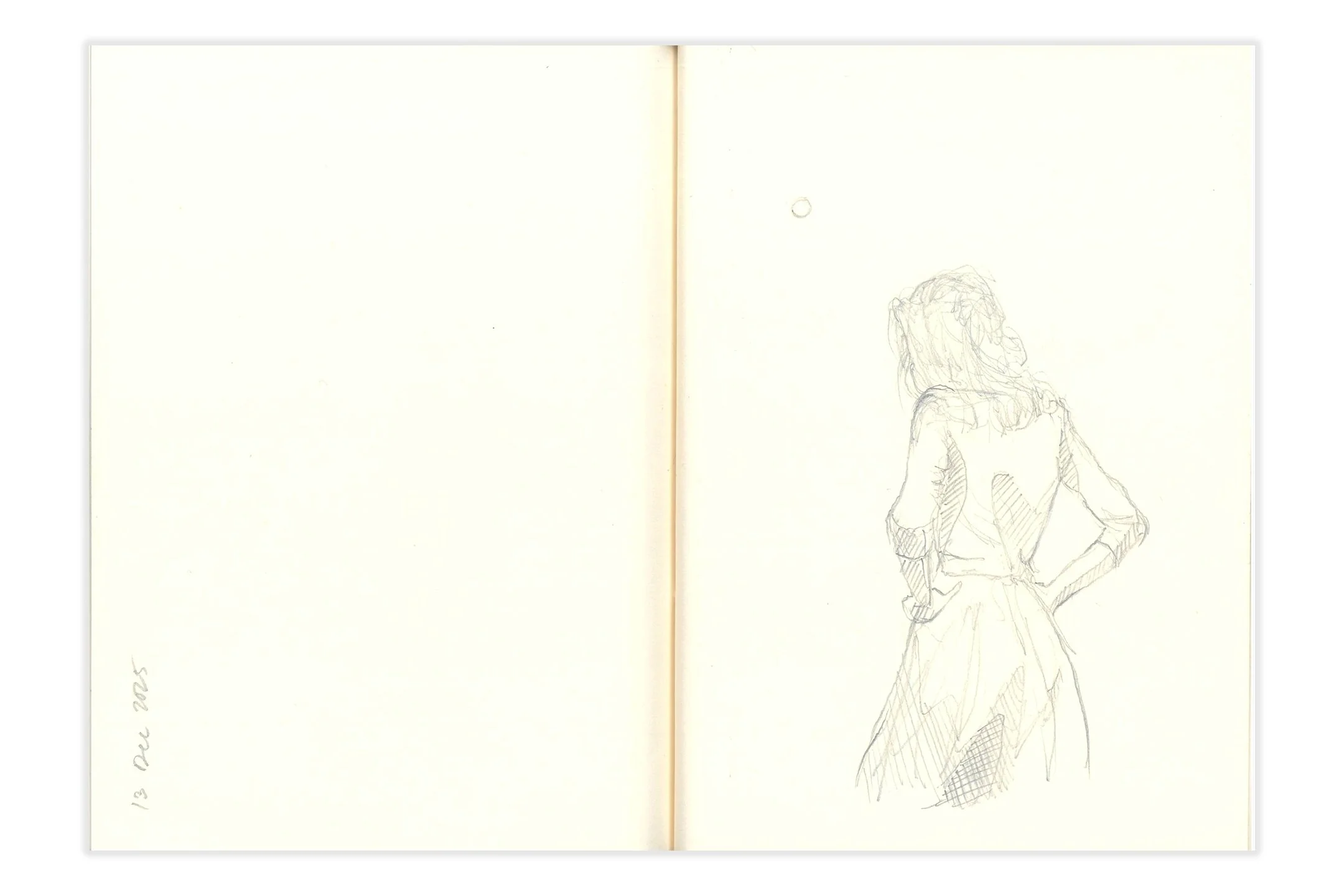
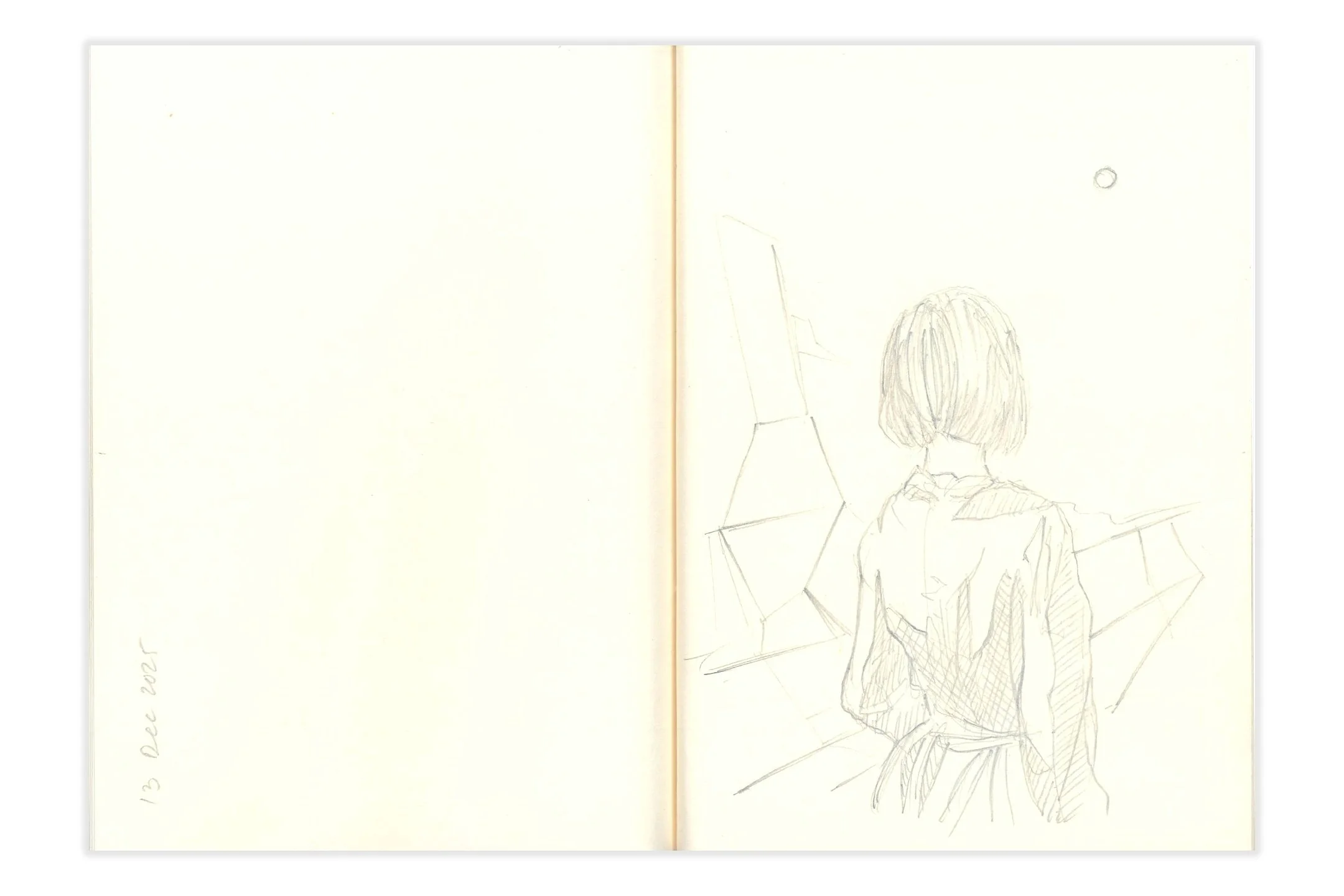
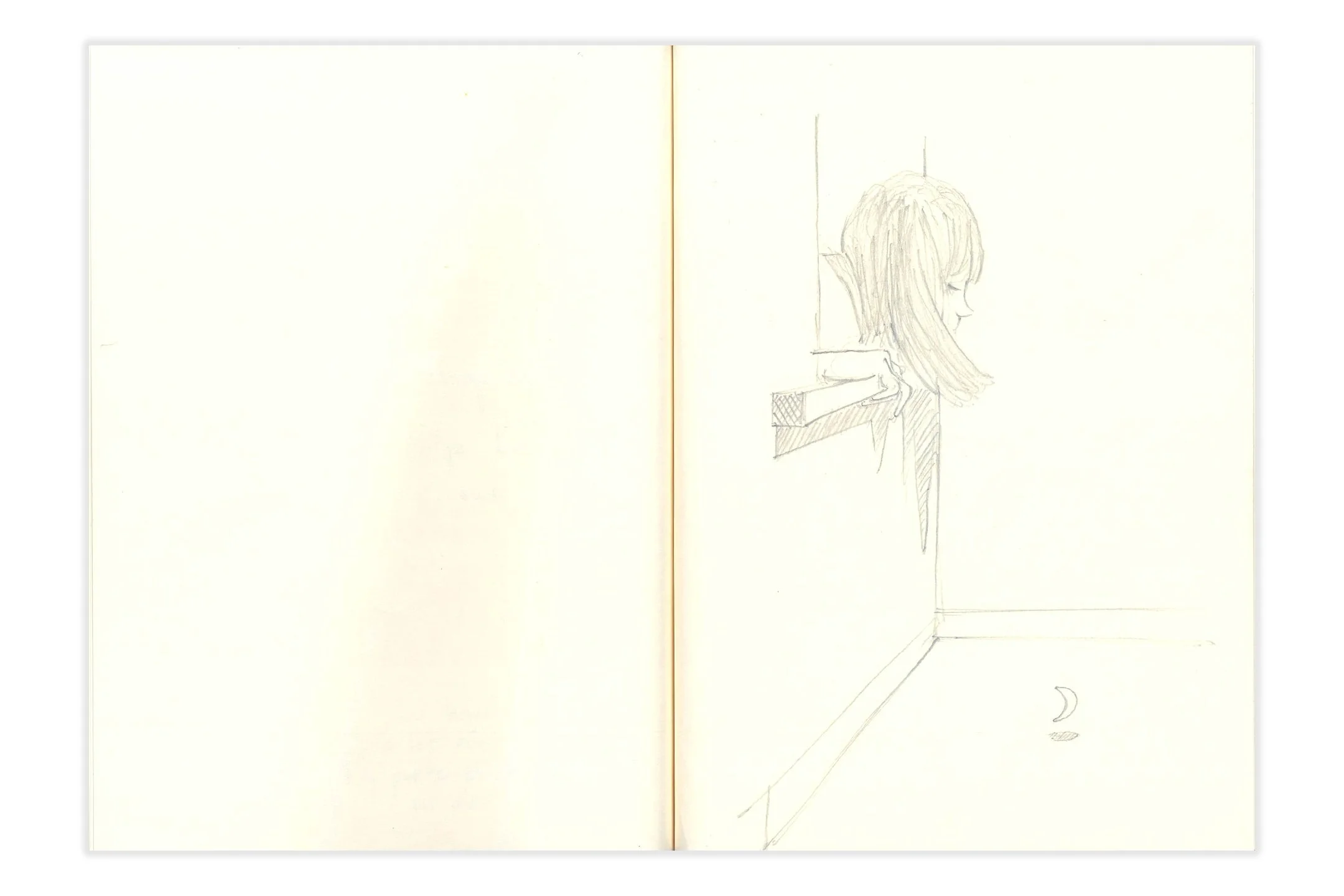
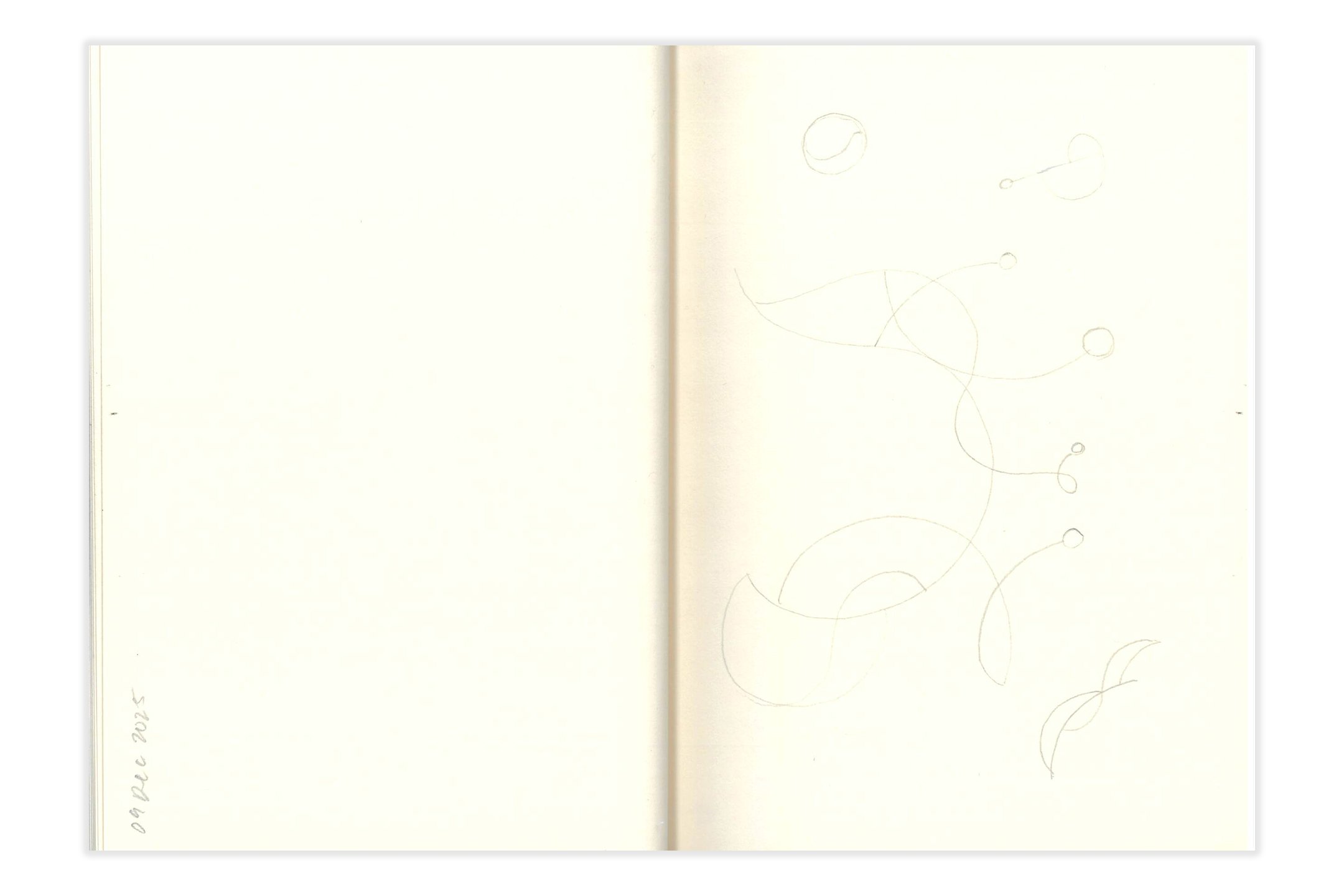
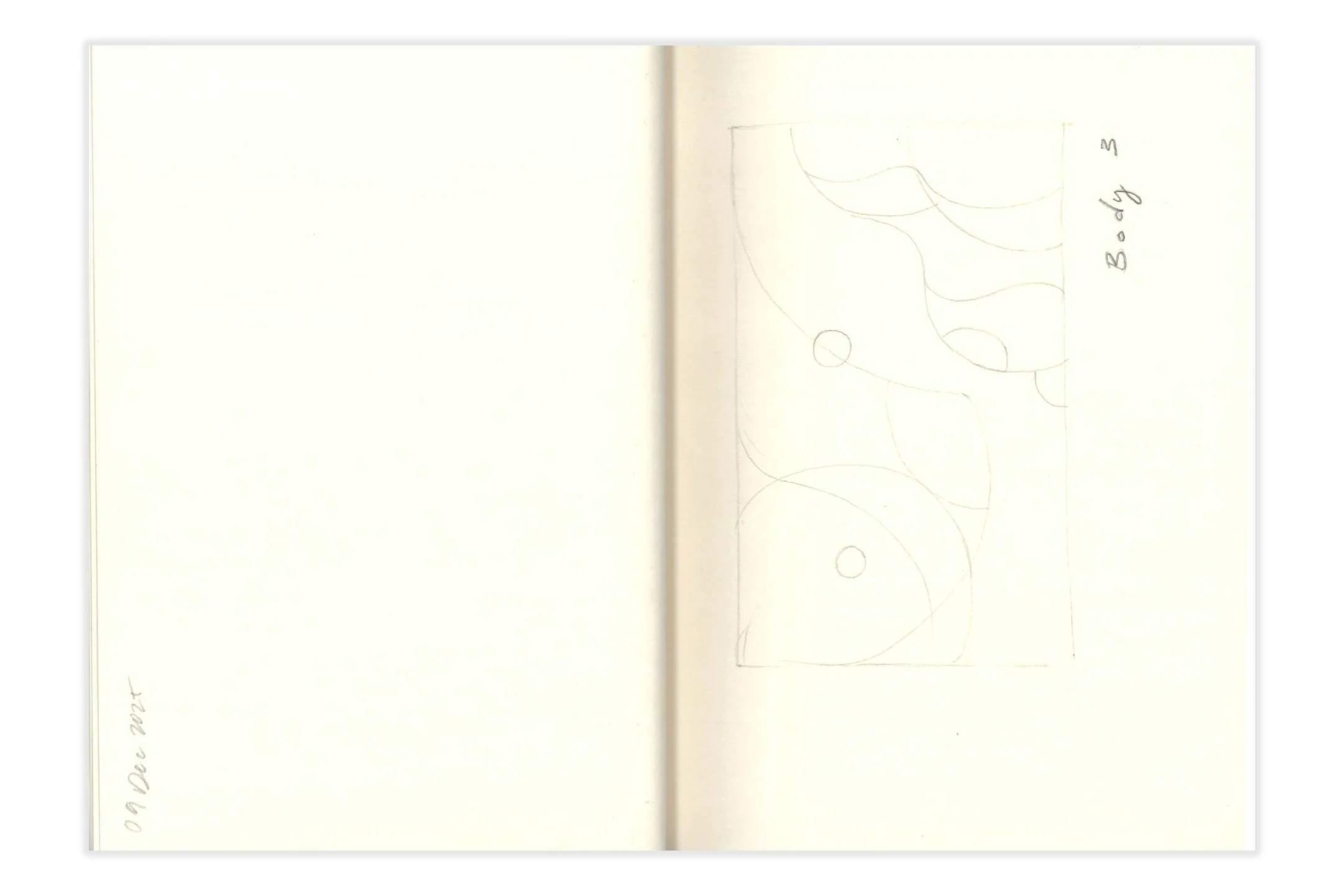
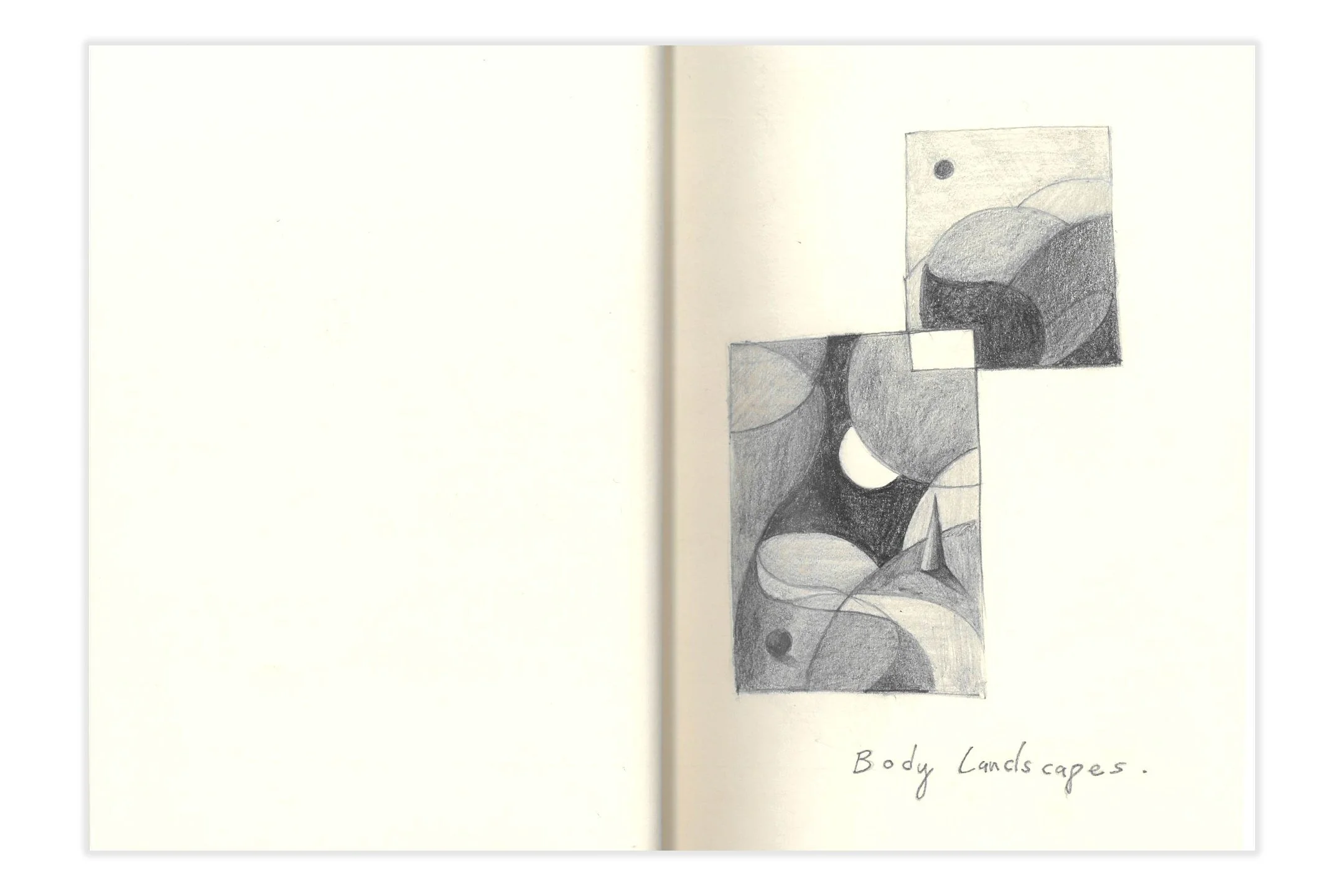
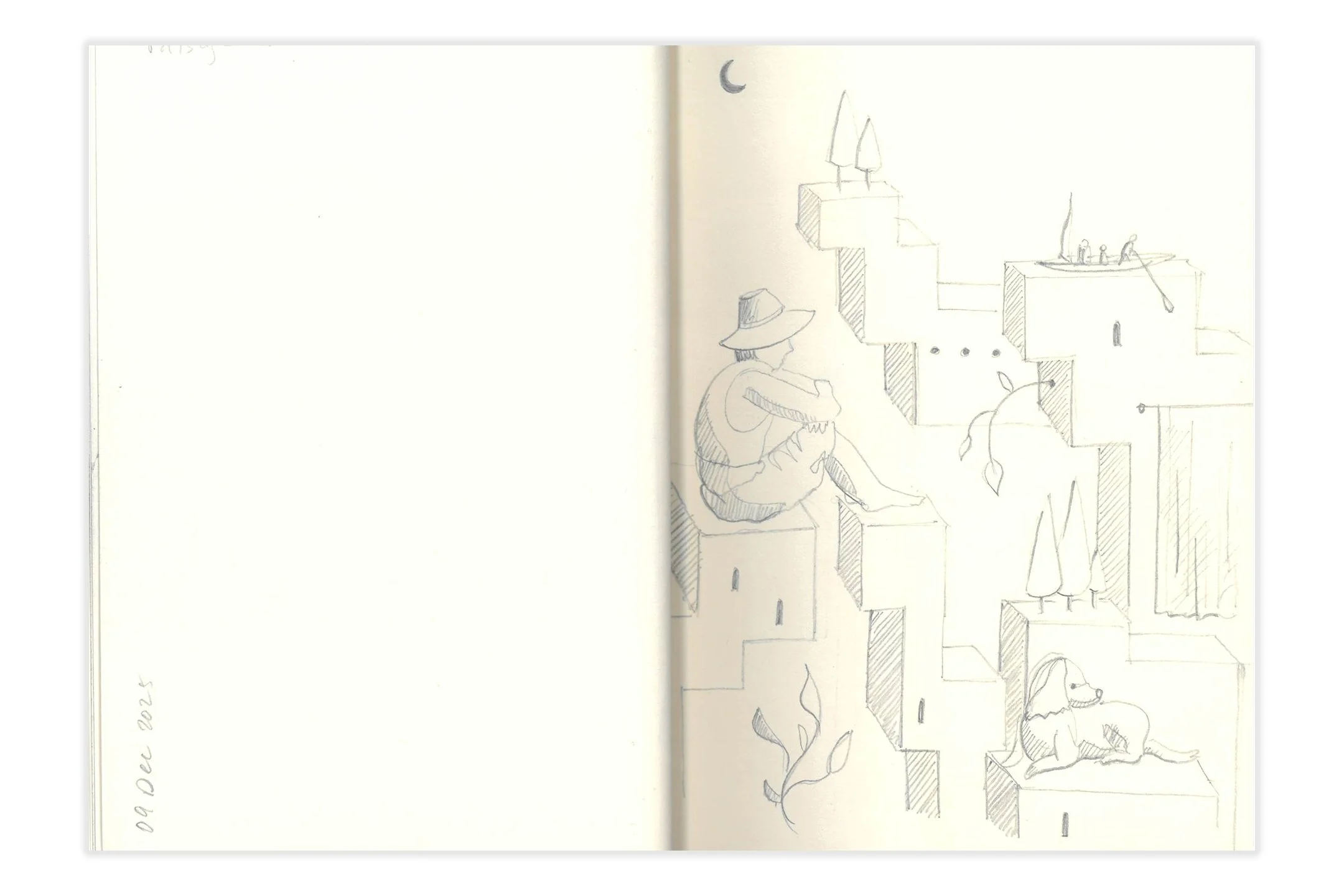
A: I think it's having a line or a circle or any shape from the very beginning. From there, I just start playing, similar to an exquisite corpse, where one thing leads to the next thing, and so on. Perhaps it's similar to jazz. It's improvisation within a framework. In this case, my framework was the sketchbook, using black and white, and different graphite pencils. So yeah, sometimes I think what I do is similar to watching the clouds. When you are watching a cloud, you tend to see maybe an animal or a shape, or maybe a face. So each viewer will have a different interpretation of what’s in front. So in a similar way, I think my illustrations sometimes are metaphorical. I find it hard to be very explicit in my work for some reason. I feel more comfortable in giving the viewer the final say as to what the meaning of everything inside the illustration is.
Q: Knowing about your strong connection to music, how does it show up in your visual decisions?
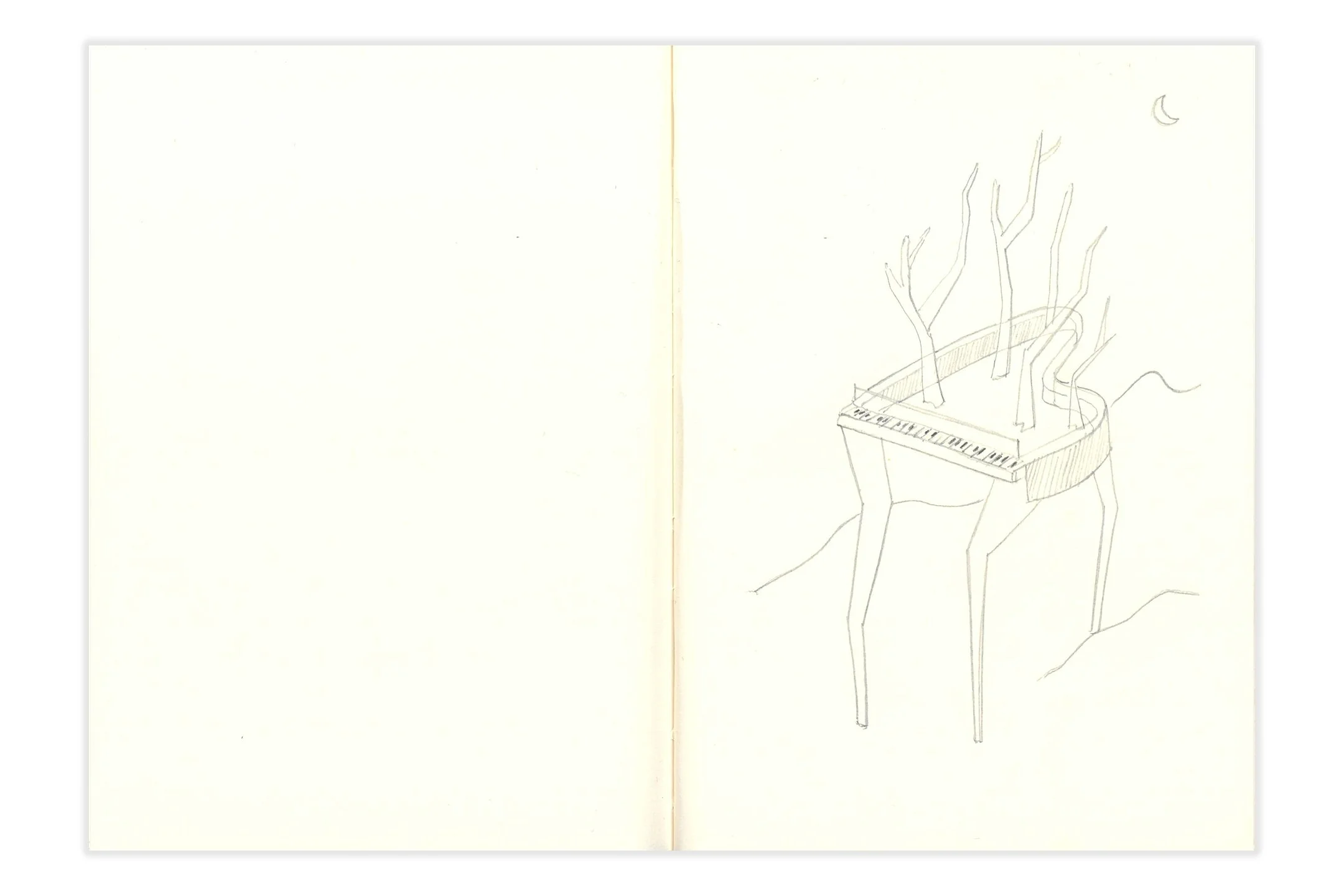
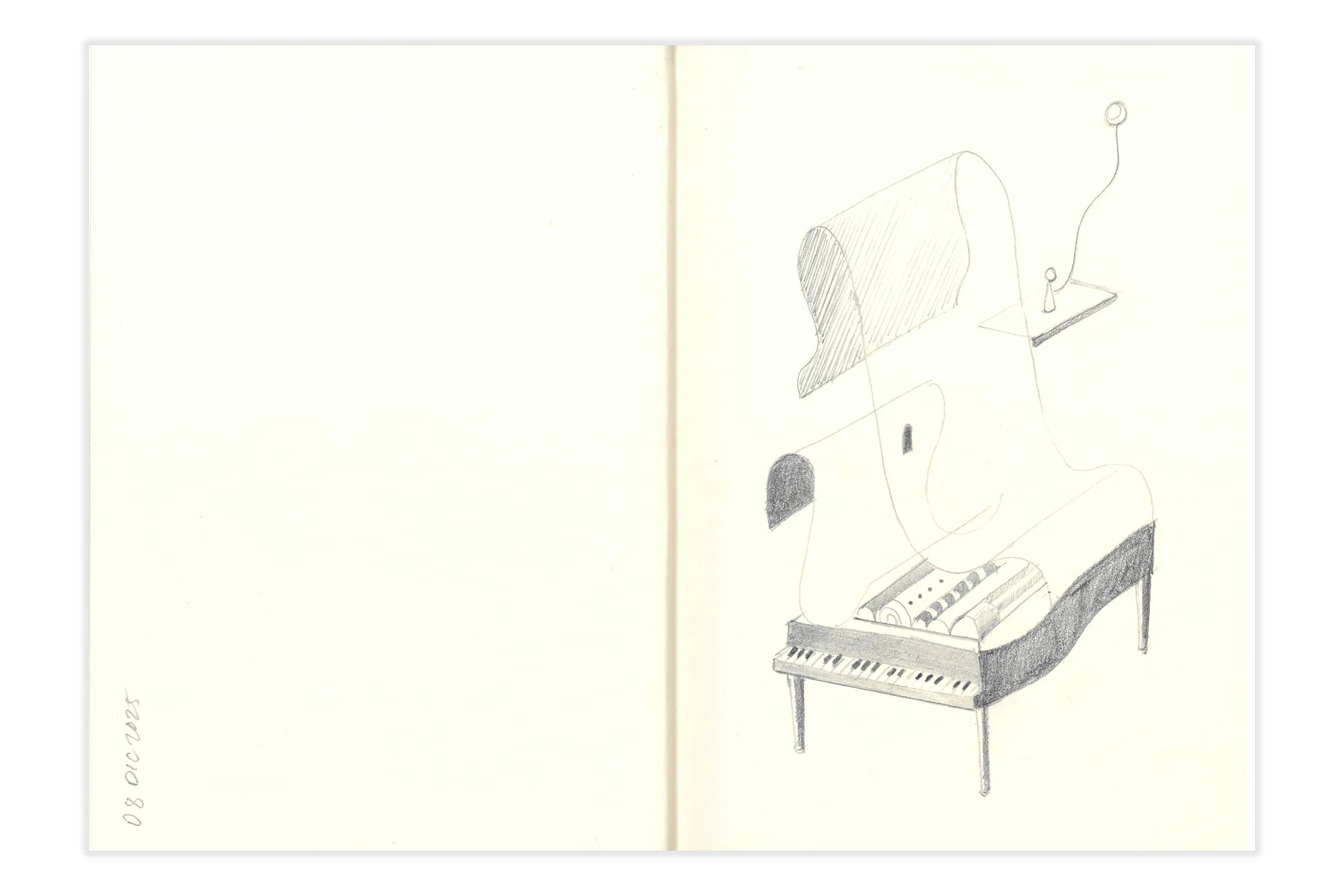
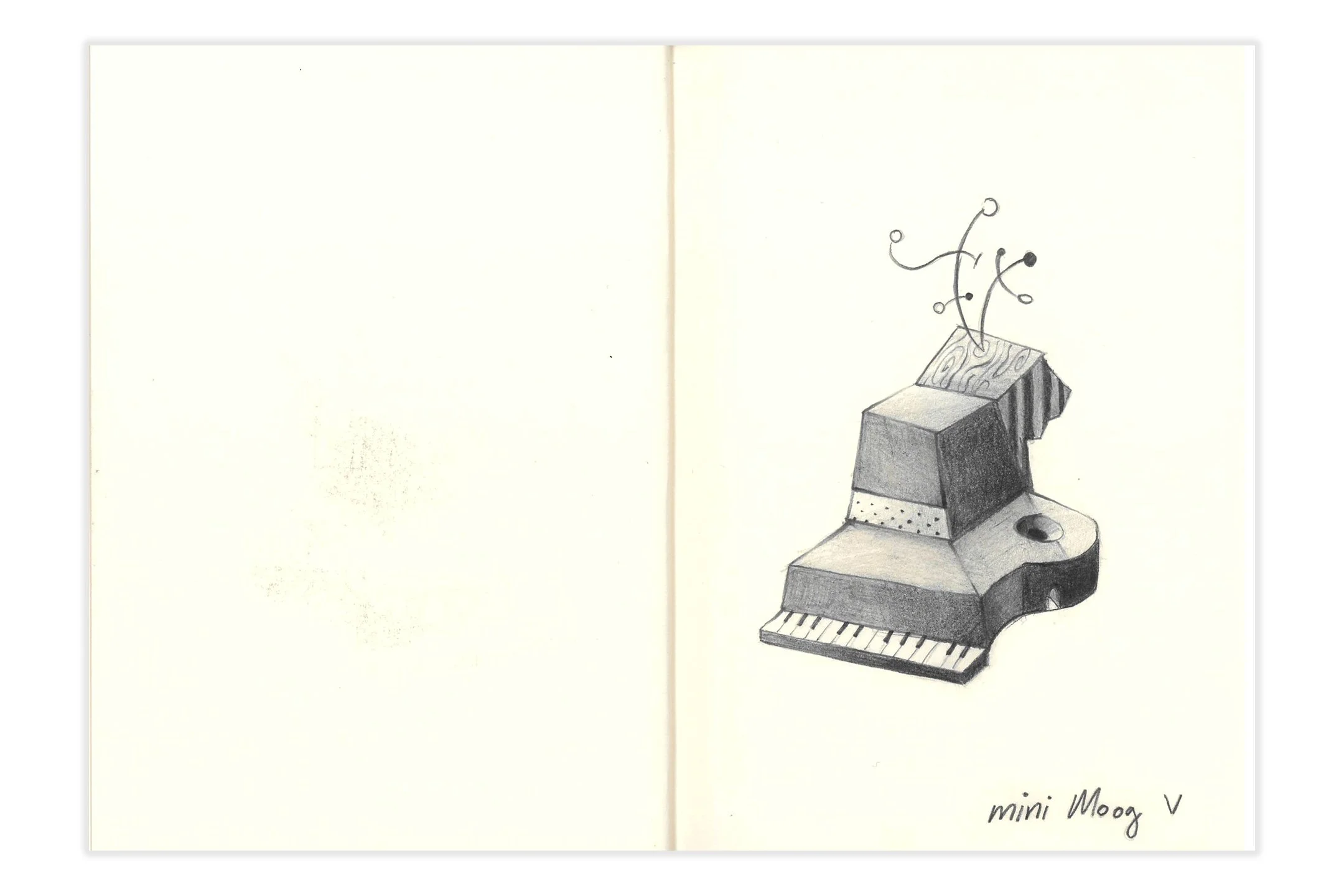
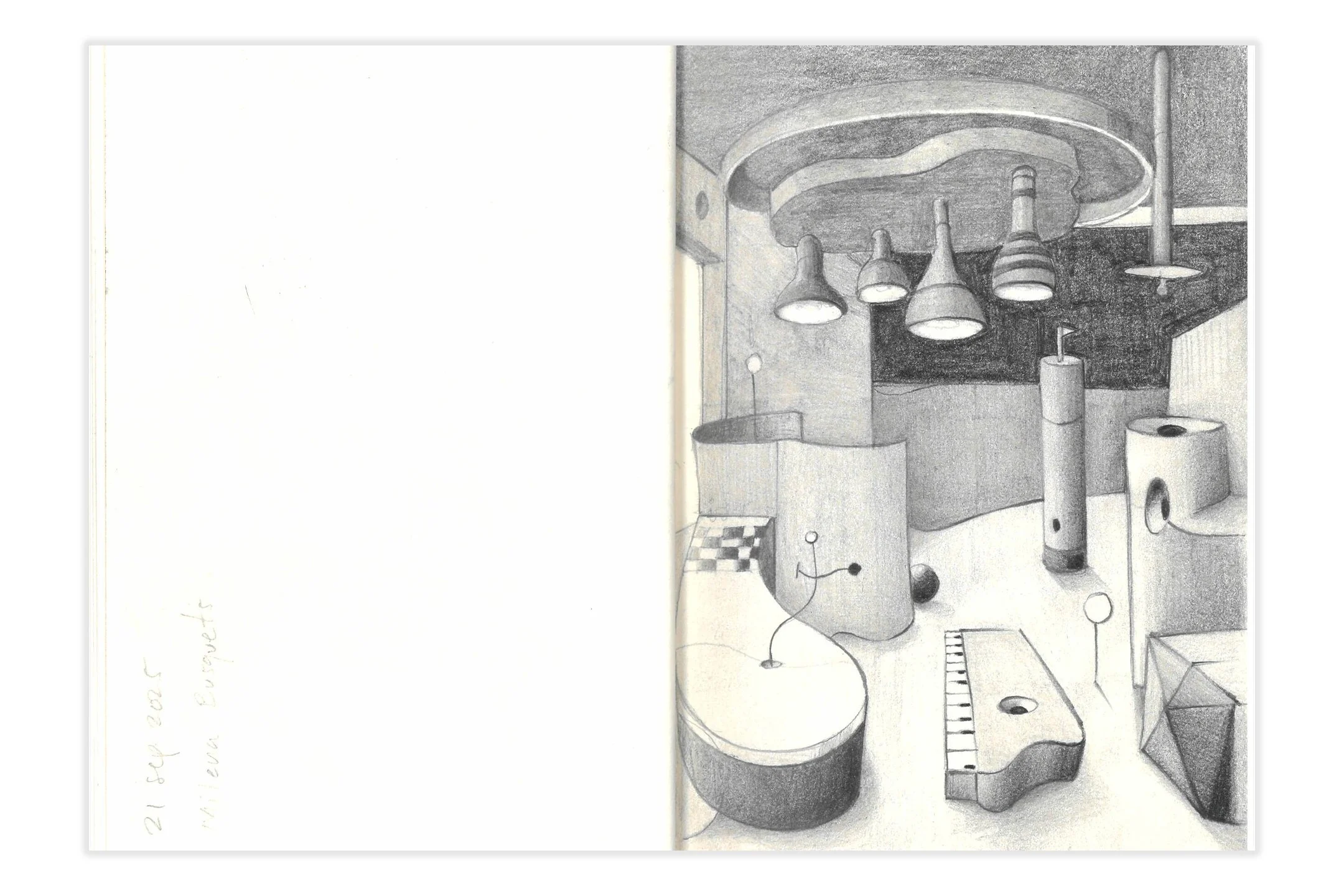
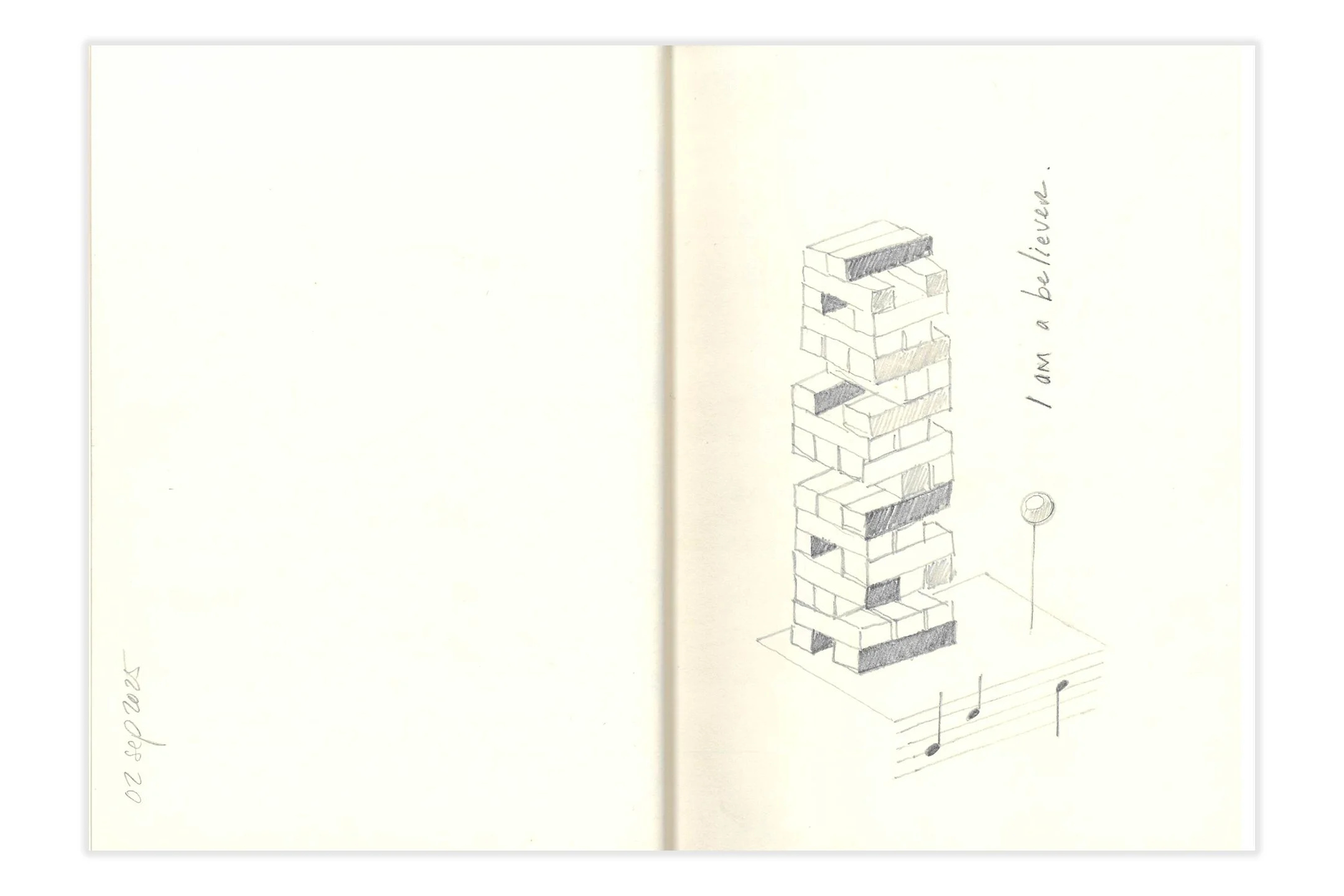
A: It's a funny question because the piano keys appear in most of my illustrations. Sometimes they are hidden, sometimes they appear more obvious. Sometimes they appear even in a symbolic way. For example, the piano keys have a very particular pattern, like repetition. You have two black keys, then a space, then three black keys, then another space and so on… So I remember, for example, in some illustrations, I used this same pattern for trees. And to me, they represent piano keys in a symbolic way. So I also sometimes include some hidden musical notes that are just flying or that have a different shape. I just play around with this musical notation. I can even say that my decision to work in black and white in many of my illustrations is related to the colour of the piano keys.
I think it's like an analogy where maybe with just two values, you can generate an immense and powerful spectrum of creations.
Q: You play with subtle shifts in geometry and rhythm to create emotion in your animations. How, if ever, do you translate this dynamic into your still images?
A: You can always think that many of the still images I produce contain elements that are maybe just about to move. And I love that. Like in the illustration, it's not moving, of course. But when you see them, it's like, maybe it's going to move in the next second. So it's like an illusion that I try to play around with. Some objects, like spheres or even pendulums, make the viewer understand that movement is quite imminent. So sometimes the composition suggests that maybe a sphere should start moving towards another part of the frame, for example. Just because of the balance or the way the shapes are arranged, I think the viewer is like, “I think this circle is going to move from this point to the other.” I think this has to do with weight and how we tend to balance things naturally.
I can also say that some of my illustrations feature some mechanical pieces or organic parts. I remember there's a sketch where I have a piano with some legs, as if they were branches. It's playing around with the idea that the piano is moving. I think that the image could come to life at any moment.
Q: You’ve described clouds as “visiting characters”, “gentle embraces”, or “contemplative figures”. Why clouds? What do they symbolise for you?
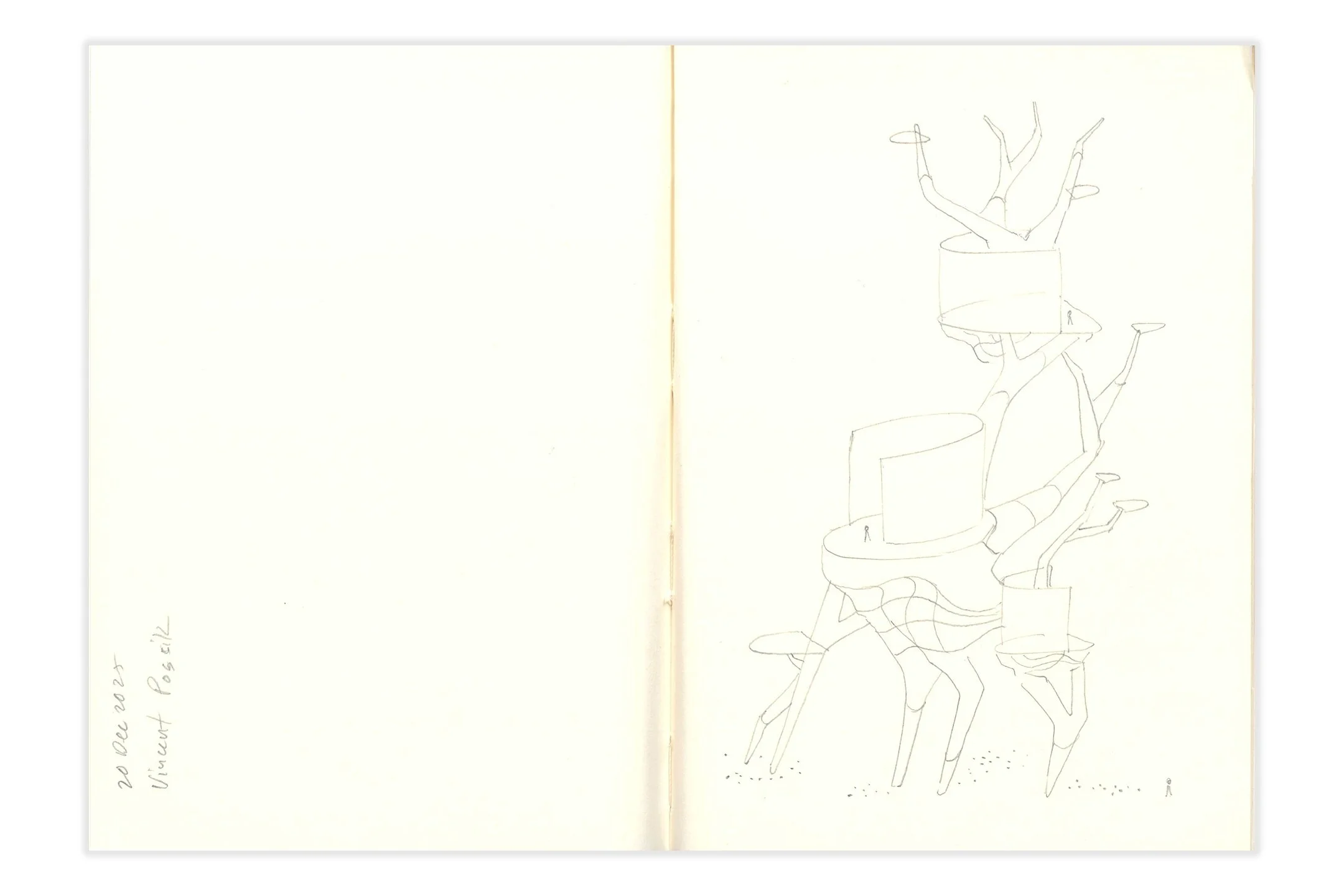
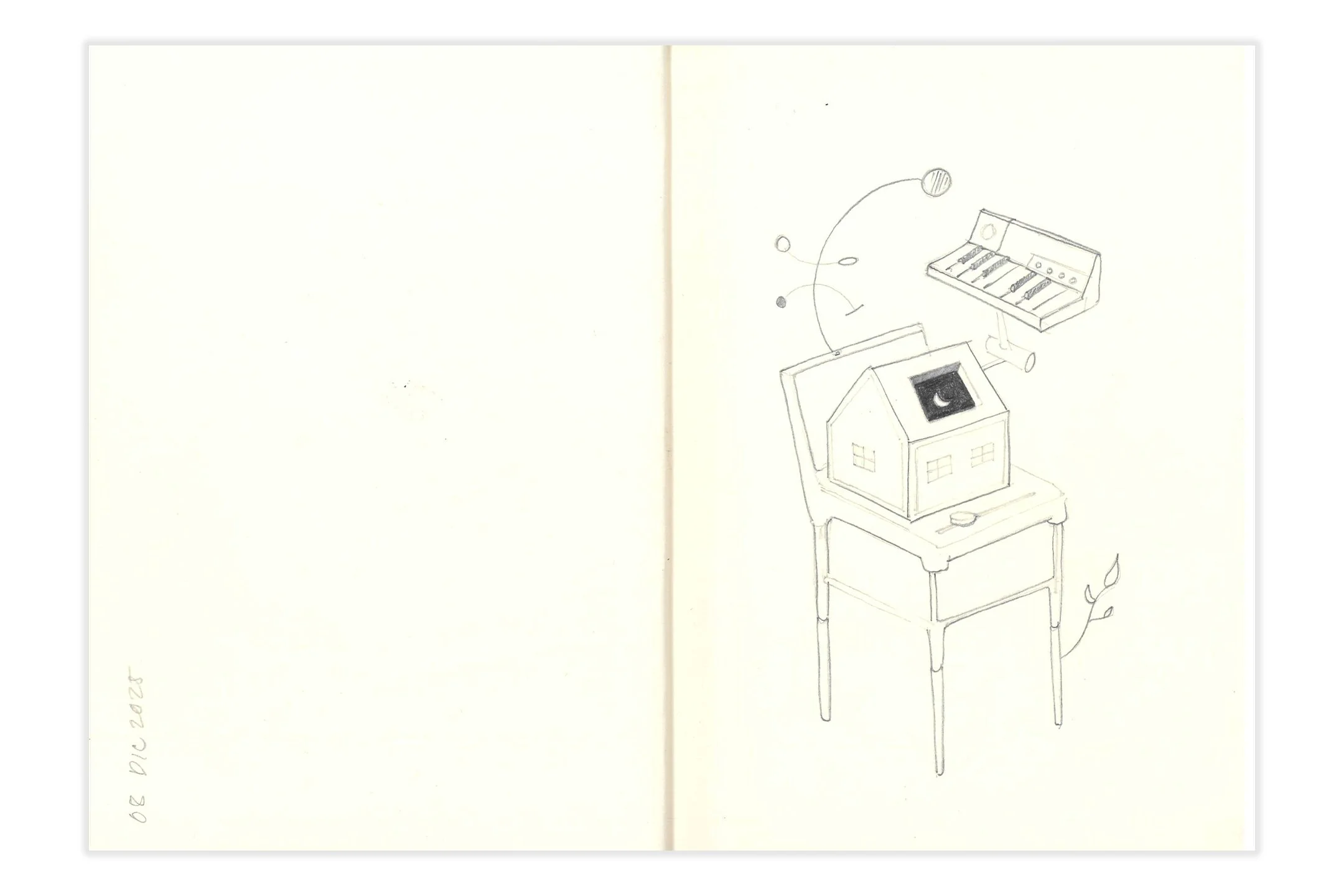
A: They seem like very distant things, and I feel that's true. But when you think about it, buildings, houses and cities often seem to have faces, or gestures. You can say that a building looks angry. Or that house is quite cheerful. So, yeah, it's a funny thing. But similarly, I think characters can also be inhabited, as if they were buildings. For example, the mouth of a character can be a door or a body part. Those could be like the landscape that the viewer inhabits with their eyes and their gaze. So I think working in 3D environments allows me to zoom in closely on a character. And that feels like walking through a building. So I think 3D environments give me that sensation of inhabiting a character. And on the other hand, zooming out of a house can make it feel like a small character. In other words, it's all about scale. Both things (characters and buildings) tend to be very different, but they inform each other because my concept is always about inhabitation. You can inhabit a city or a character.
Q: Apart from world-building, you also create quite fascinating characters. How are these two processes similar or different?
A: I feel that they symbolise the instant, transformation and daydreaming. I feel that they communicate to us right away that we are inside a surreal environment, as if we were dreaming. It's playing around with mystery, like creating a surreal effect or atmosphere. For example, a cloud has a specific shape at the moment you are watching it. But it's only in that moment because the cloud has already changed an instant later. So it's quite ephemeral, which I really love. So to me, clouds are poetic and surreal objects.
Q: What did teaching reveal to you about your process or yourself as an artist?
A: I'm always very excited about teaching. And as the question suggests, yes, teaching brings me a different perspective of myself and the way I create. Teaching has helped me understand how I learn new things myself, so I can help others understand new tools, software, ideas, and skills. Something I learned for myself is to be very organised and very motivated. I normally try to bring exercises to the class that are exciting and motivate everyone. I think keeping yourself motivated is key when you are learning something new. And what else? Something I found very important was to reflect on what you have done. To stop and communicate, either verbally or by writing about what you have created. And I think that helps you to learn more and keep moving forward.
Q: For the Creative Minds Project, how did you approach your notebook as a predominantly digital maker?
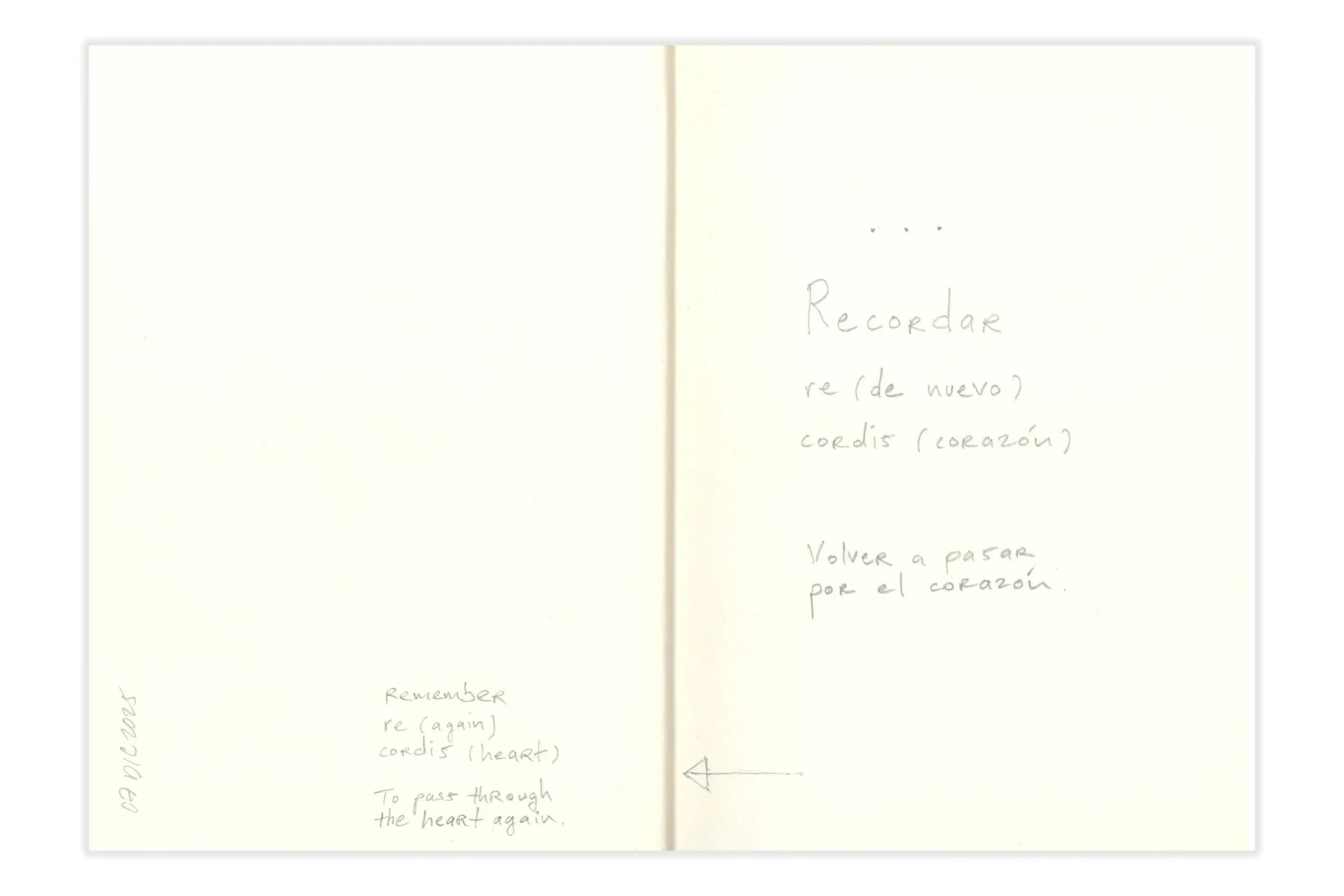
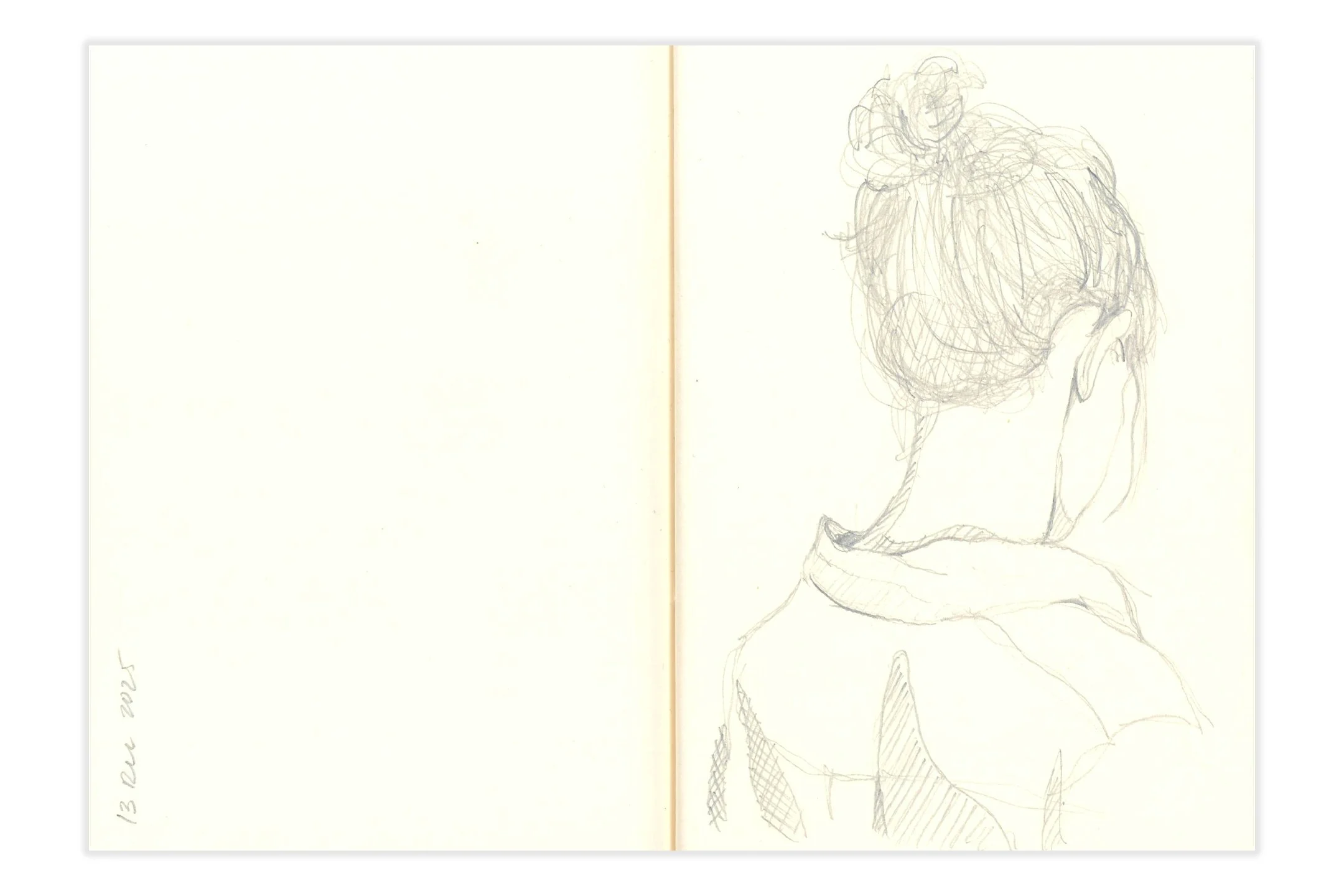
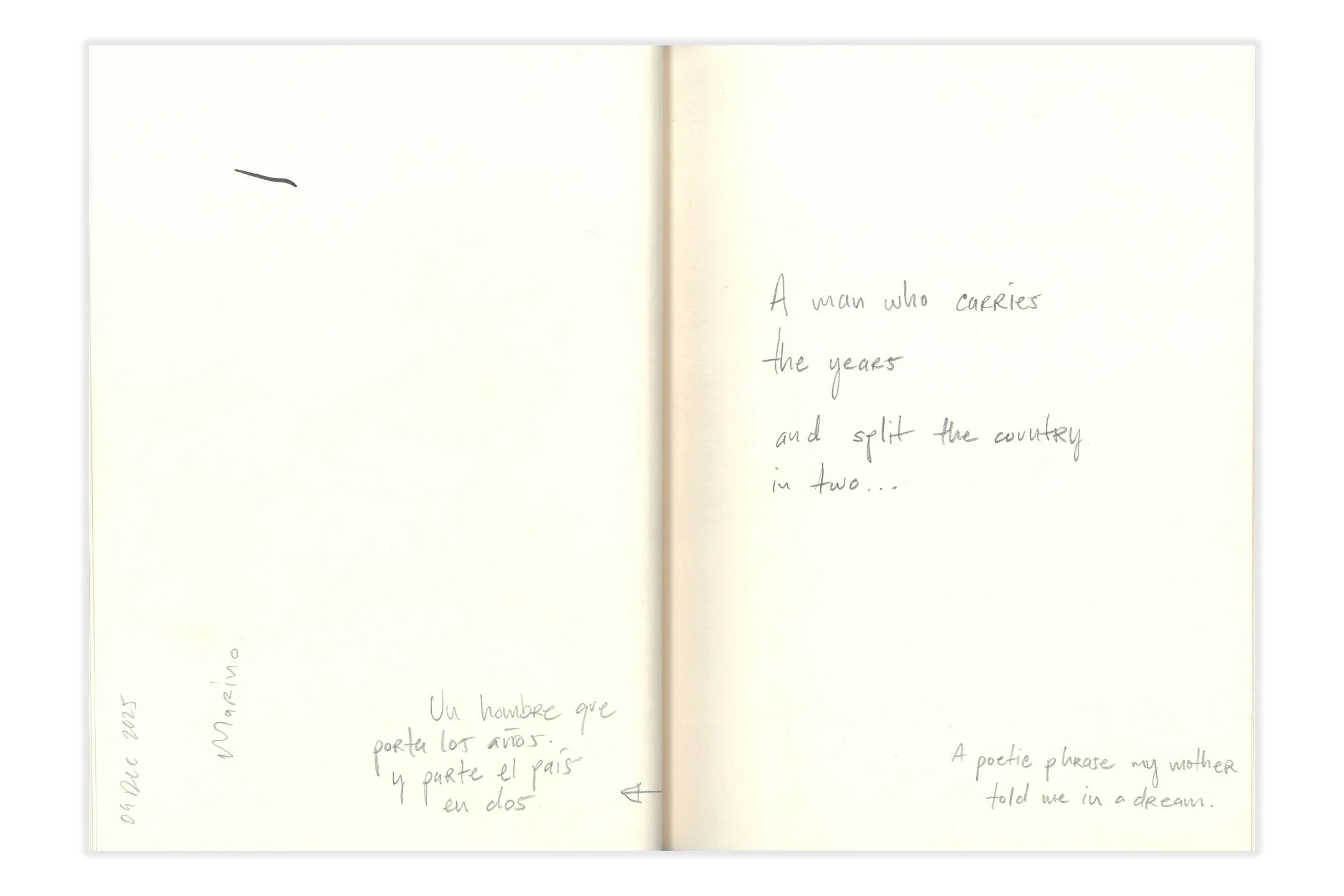
A: I'm very grateful to the Creative Minds Project. In this era, we are increasingly incorporating AI into many of our processes. And I felt a need to really reconnect with my creative side in some way by using traditional techniques. I always create using 3D software, and at some point, I really felt a need to reconnect with these other traditional techniques and mediums. And this was the perfect motivation to reconcile with drawing… and with myself as an illustrator, as a creator, as an artist, as a thinker, as someone who likes to create new projects or also just to have fun. I think drawing made me remember that I can relax and feel like it was a better day just because I sat down and drew something. So it was very, very fulfilling. Now I look at the notebook and see a world of possibilities and potential. In this sense, these illustrations will inform my 3D work. And just as my 3D work informs these illustrations, I was thinking in 3D while I was drawing these illustrations inside the notebook. I think it's like a symbiosis, no?
Q: What are you working on right now? What will we be seeing from you next?
A: Right now, I'm very excited that I'm playing with two different bands as a musician. I'm playing the synthesiser in both.
I like to imagine the band as a ship and that we sail together. Perhaps the base is the one that is proposing the shape of the ship. And maybe the guitarist provides the peace or strength of everything. Maybe the drums are the ones that are creating the tide. And we’re all inside this ship. And in my case, as I'm playing the synthesiser, I would say that I create an atmosphere, like the weather. Um, sometimes this is low, and sometimes heavy. Sometimes, it has different colours and produces different sensations, atmospheres, sounds, and densities.
As you can see, I like to use metaphors when I'm talking about music. I use metaphors when I'm talking about illustrations. That's my world, and that's why I love that. Maybe illustration is where I can connect everything.
So thank you for inviting me to this project, it has been a pleasure.