HUIYAN WANG
HUIYAN WANG
[Chapter 7]
We’re excited to welcome a unique artist and her powerfully naive art to the Creative Minds Project: Huiyan Wang.
Huiyan Wang is a Chinese-born, London-based illustrator and animator whose work captures small, precise emotional moments that sit between everyday life and imagined worlds. Working across illustration, motion, murals, interactive animation, and ceramics, she’s drawn to playful characters and bold colour that carry tenderness and melancholy, with a quiet sense of humour.
Alongside commissions from non-profits to global brands, Huiyan’s practice has been recognised internationally. Her background in illustration and visual media, which she studied at the University of the Arts London, grounds her practice in a boundary-pushing way.
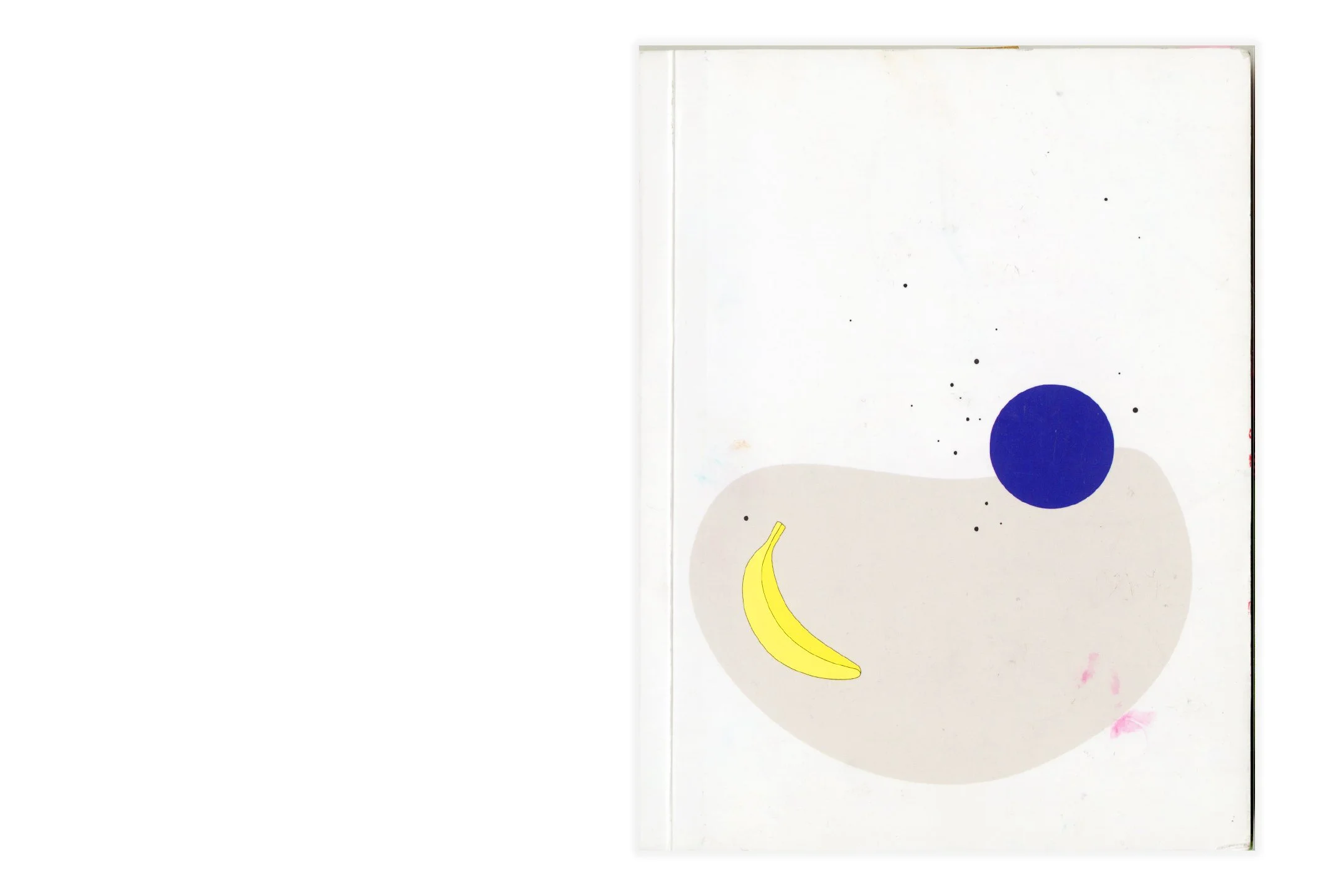
The Creative Minds Project is a space for exactly this kind of in-between thinking. In Huiyan’s notebook, the canvas holds space for play and gentle discoveries that create the imaginative, daring, child-like yet mature world of Huiyan Wang.
Q: Across illustration, animation, and ceramics, how do you describe your practice? What through-line connects those media for you? And what first drew you to animation? What can it express that a still image can’t?
Q: Your work has such a playful, child-like energy. What draws you to that visual language, and how did it take shape over time?
Q: When you’re visualising sensitive or complex subjects, what guides your approach? How do you handle research, responsibility, and tone when you’re translating something serious into a visual story?
A: My practice centres around visual storytelling. I’m interested in capturing small emotional moments drawn from everyday life or imagined worlds. Most of these moments are joyful, but they can also hold melancholy, stillness, or quiet reflection.
Across illustration, animation, ceramics, and potentially other forms that I’m still exploring, I often create gentle, playful characters. These figures act as emotional bridges. I think they make it easier for people to connect with the feelings I’m trying to express.
My first animation project began during my MA in Illustration and Visual Media at UAL. I chose a Cupid clock from the Wallace Collection Museum and developed it into a short animation. It was my first real encounter with moving image, and I immediately felt how naturally animation holds narrative. It allows for linear storytelling, but also for rhythm and music to become part of the emotional structure. Even subtle movement, such as a blink, the flicker of a star, can bring a kind of liveliness and nuance that a still image sometimes cannot.
A: At the beginning of my postgraduate studies, I was drawn to highly detailed and more realistic forms of drawing. But over time, I found myself increasingly attracted to a freer, more child-like visual language.
This looseness allowed me to draw more fearlessly. I became less concerned about whether something was “perfect” and more focused on enjoying the act of making. Gradually, I realised that simplicity can carry emotional depth. What appears playful or naive can actually hold space for complex feelings and give viewers more room for interpretation.
A: When working with sensitive or complex subjects, I begin with research and listening. I try to understand not only the facts, but what the audience needs to feel.
When translating something serious into a visual story, I avoid literal or overly descriptive imagery. Instead, I look for metaphors, subtle gestures, or everyday moments that can carry emotional weight without becoming overwhelming. I aim for gentleness and respect.


Q: You’ve been working at a larger scale lately, including murals. What changes when the work gets scaled up? Has this shifted your process, or your relationship to your work?
A: When working at a larger scale, detailed sketches become less central. The overall rhythm and presence of the composition matter more.
I gradually let go of my habit of drawing a sketch in advance. Instead, I allow the drawing to unfold more intuitively, following the movement of my hand. Elements emerge organically, and I later shape and refine them into a cohesive whole.
Q: You’ve also been exploring interactive animation lately. What excites you about inviting the audience to participate in the narrative?
A: In interactive animation, I think much more about the audience’s experience. Unlike traditional animation, where the narrative unfolds in a fixed way, interactive work invites exploration.
I often hide small elements within the scene, waiting for viewers to discover and activate them. In a way, the work only feels complete when someone interacts with it. It feels like playing a quiet game together. Designing these experiences makes me think carefully about how discovery happens and how interaction can feel meaningful and playful.
Q: You’ve collaborated on narrative-led projects, like the Icelanders book. What do you enjoy about working with others, and where do you feel you contribute most?
A: Icelanders was a collaboration with a close friend. She had written the story eight years earlier, after travelling in Iceland. It was long before we met. Years later, we decided to turn it into a picture book together.
We developed the storyboard collaboratively. Seeing her sketches often sparked ideas I would never have arrived at alone. For example, to express how Iceland attracts people, she drew a giant magnet on the island. This kind of visual metaphor was both concrete and imaginative.
Collaboration allows me to see a story from perspectives beyond my own. I think my strongest contribution lies in shaping the final visual tone and emotional atmosphere, bringing the narrative together through image.
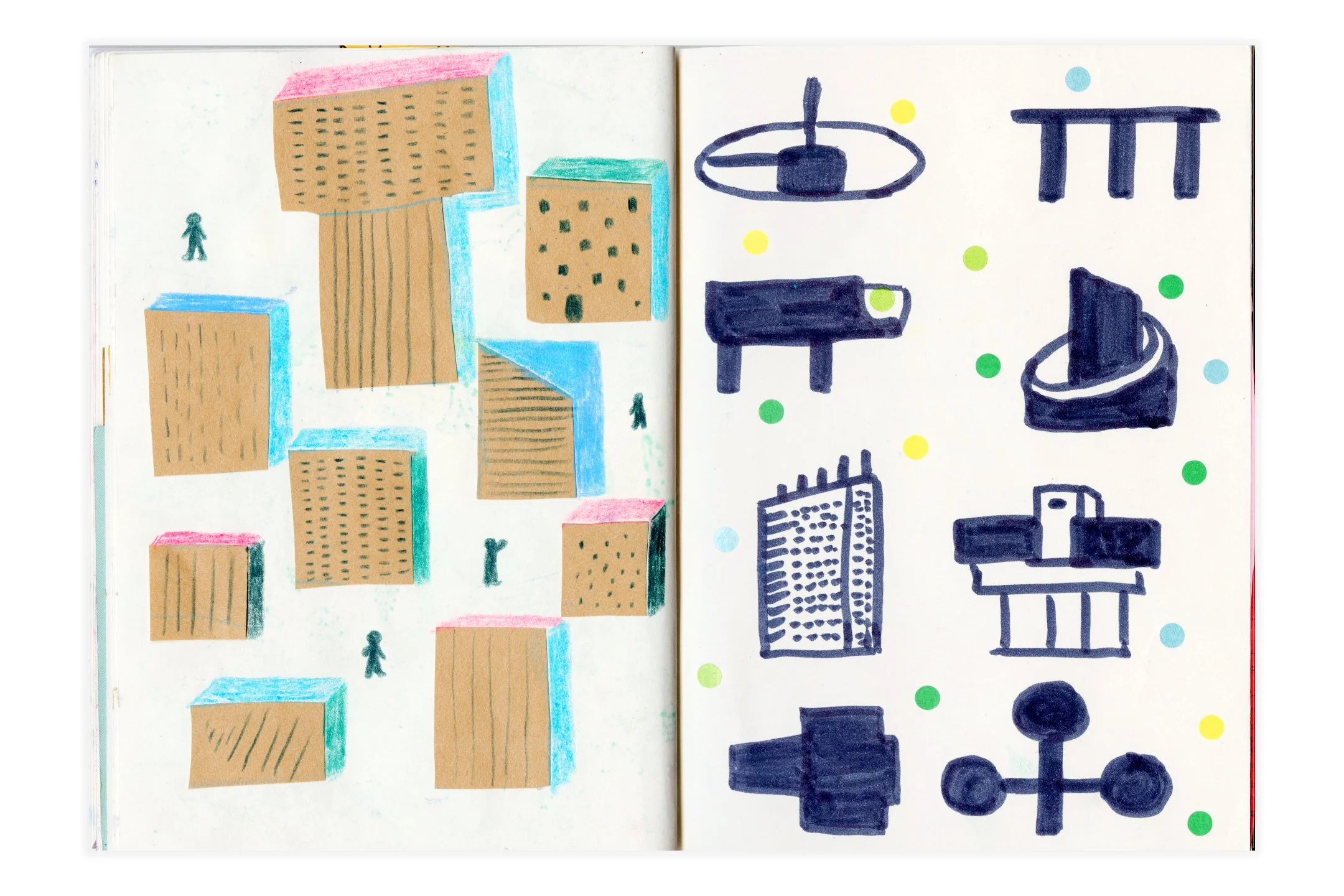
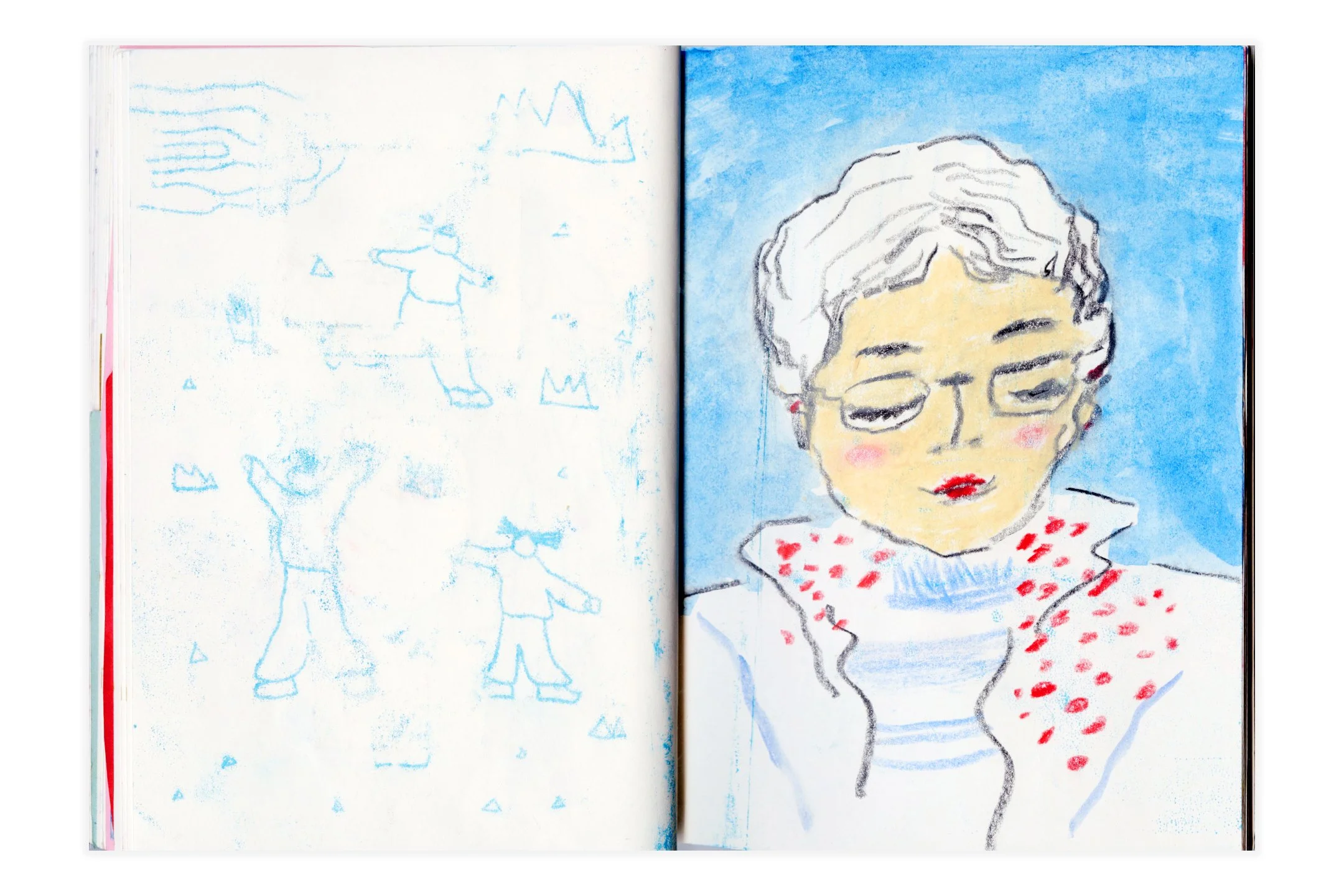
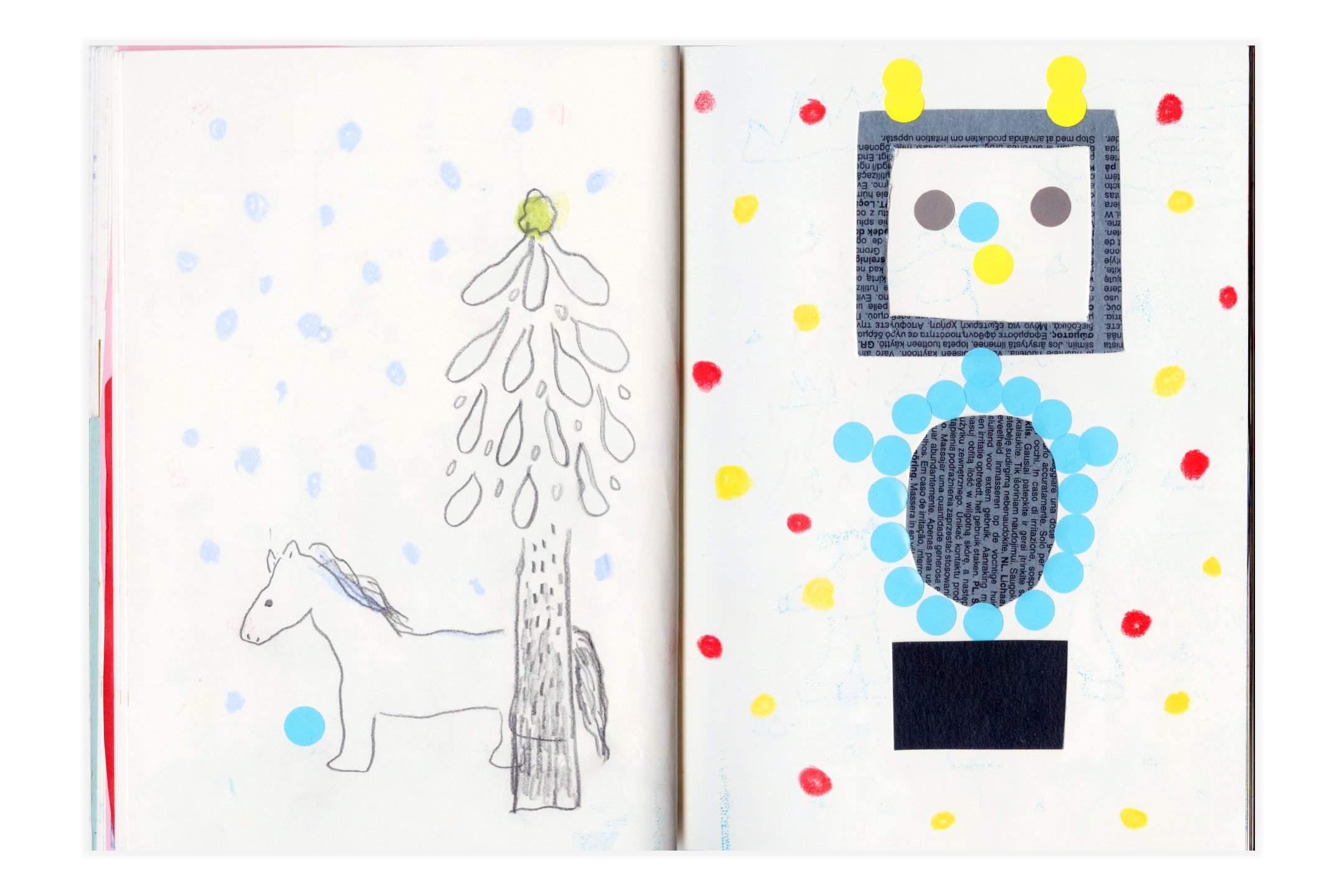
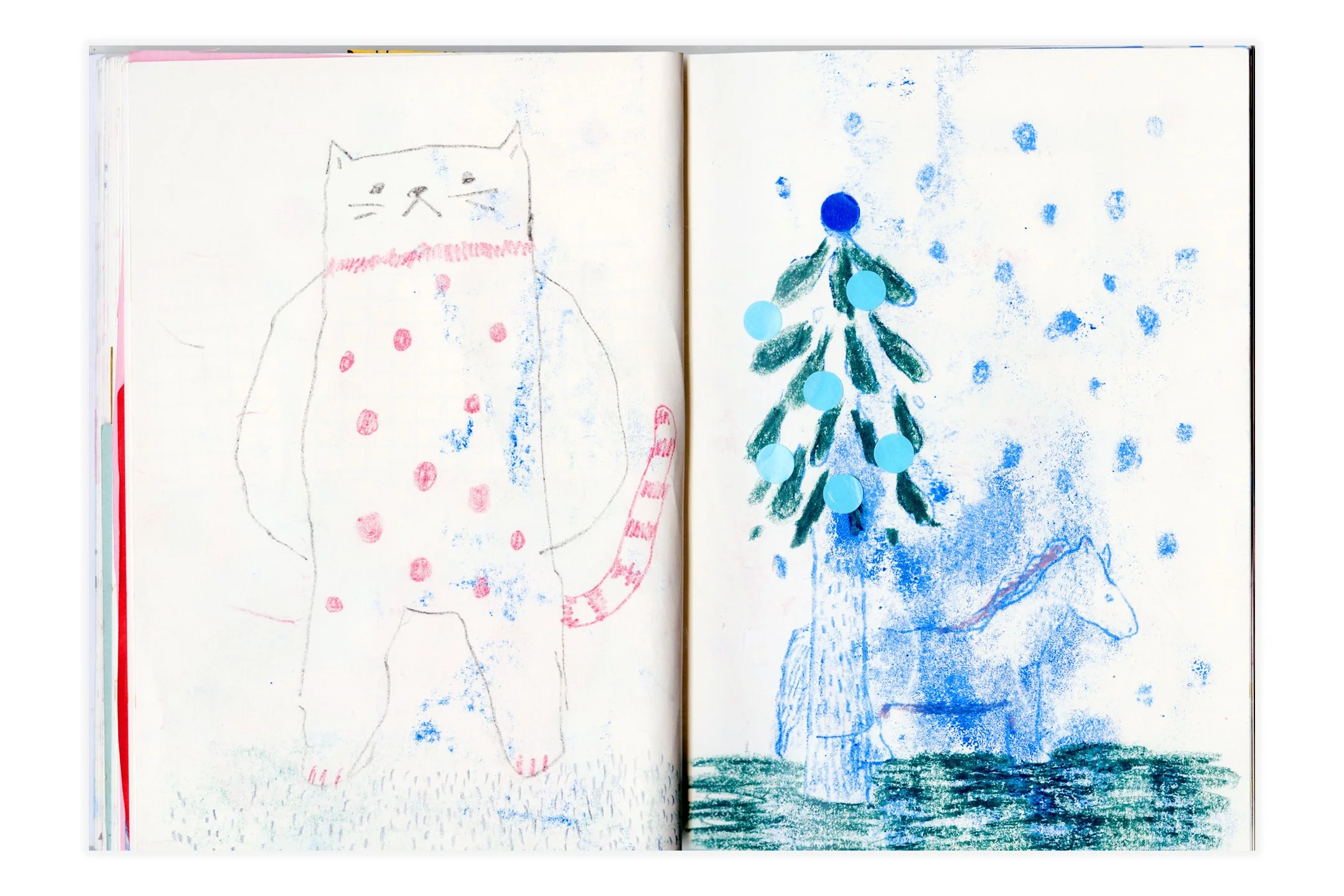
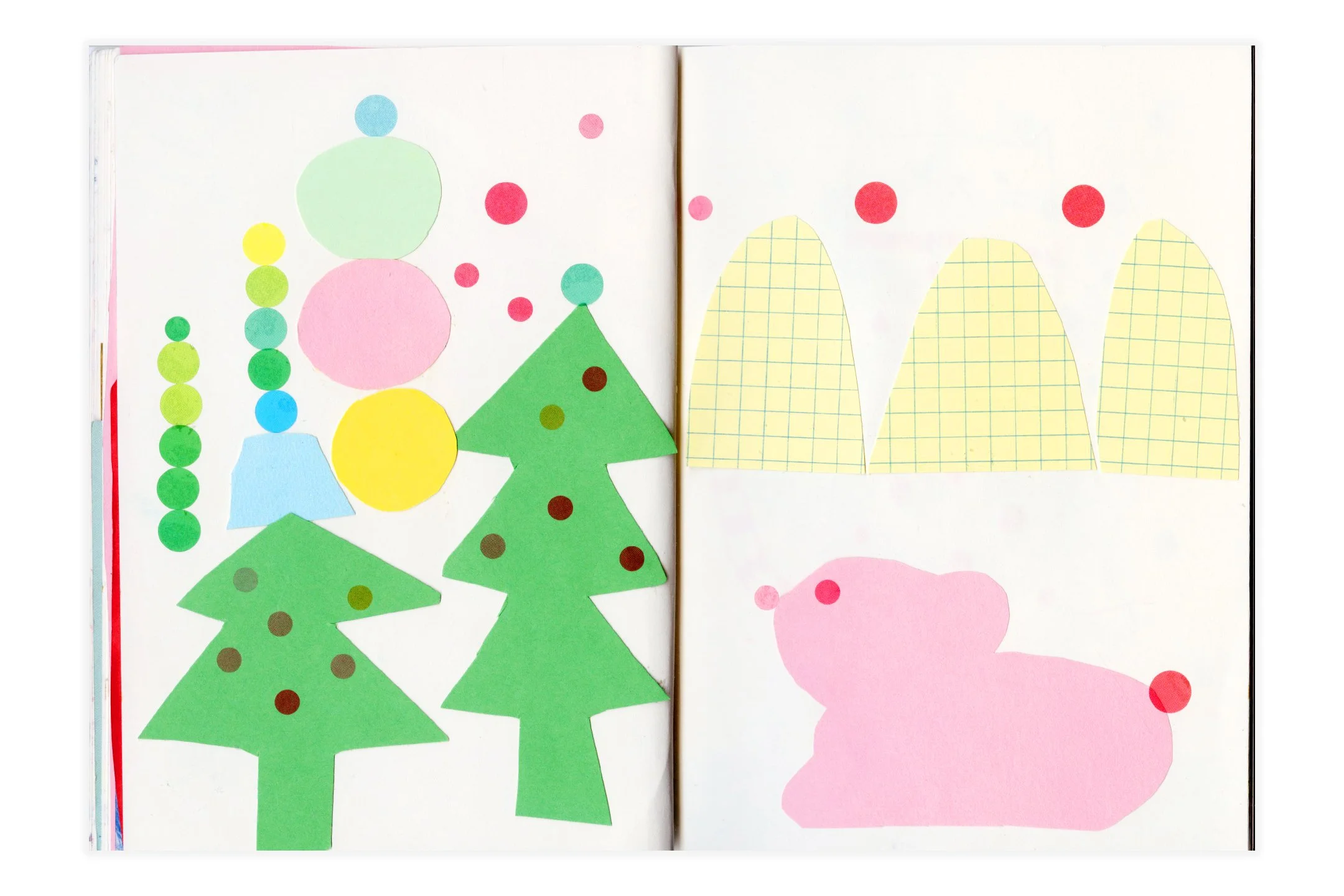
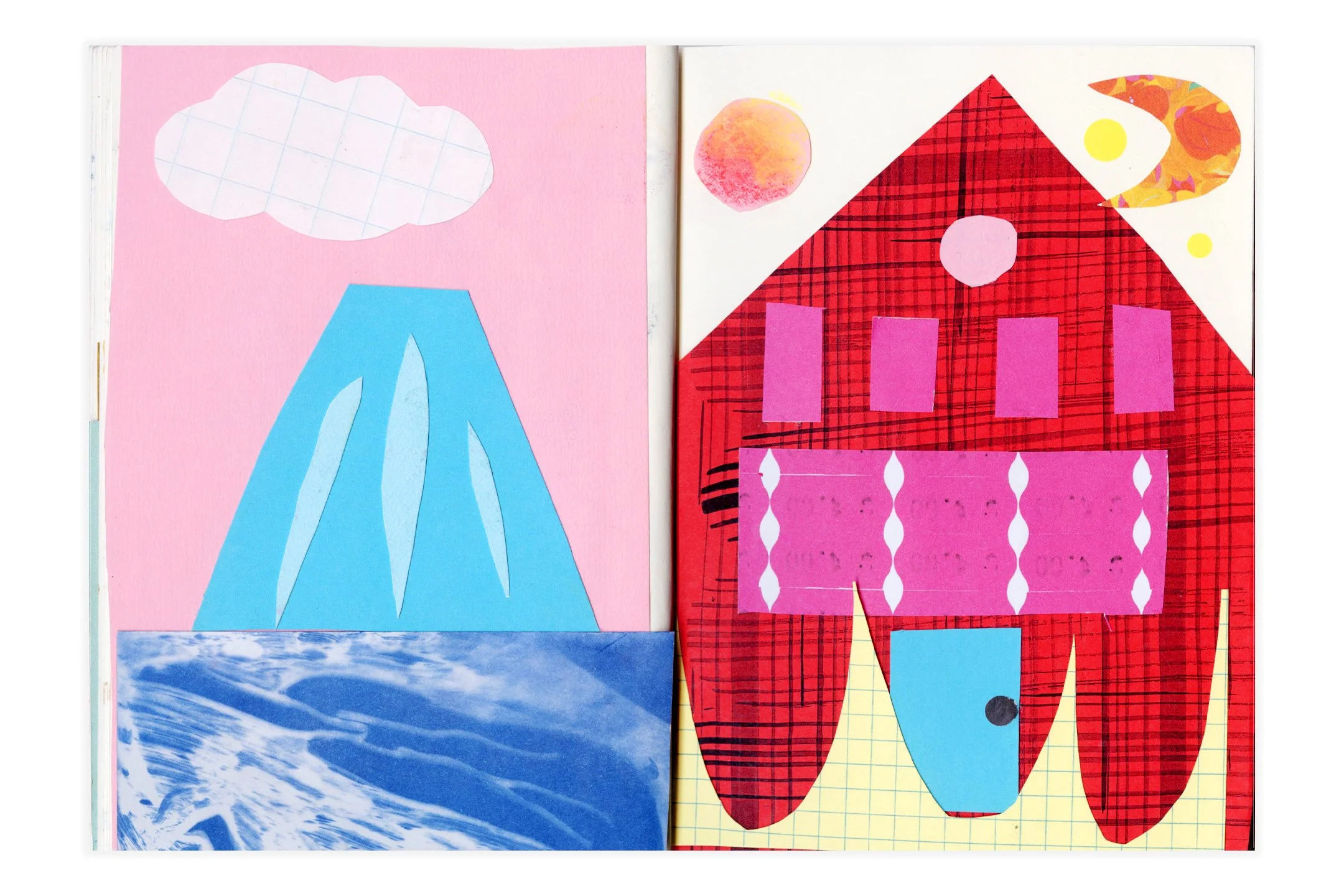
A: When an idea emerges, I begin with research, such as doodling, observing, or sometimes experiencing something directly. Many ideas also grow out of my sketchbooks.
After researching, I usually identify a few possible directions and sketch multiple versions, searching for the one that feels emotionally right. I love the tactile quality of hand-drawing and often work with coloured pencils, pastels, and watercolour. Animation is more developed digitally.
Q: Thinking about this project, what was your process for filling this notebook? What did you want it to capture, and what do you hope people feel or notice as they browse through it?
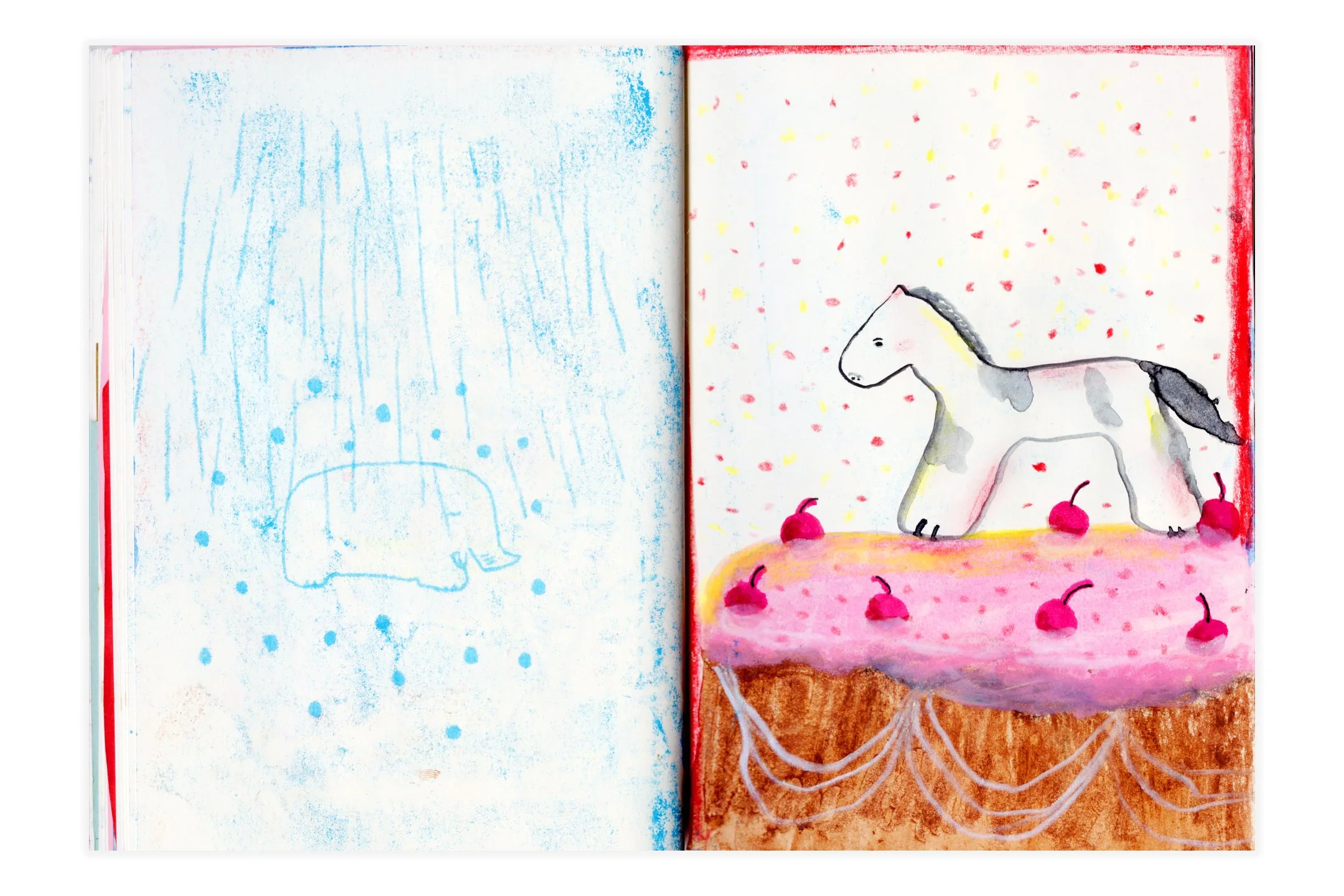
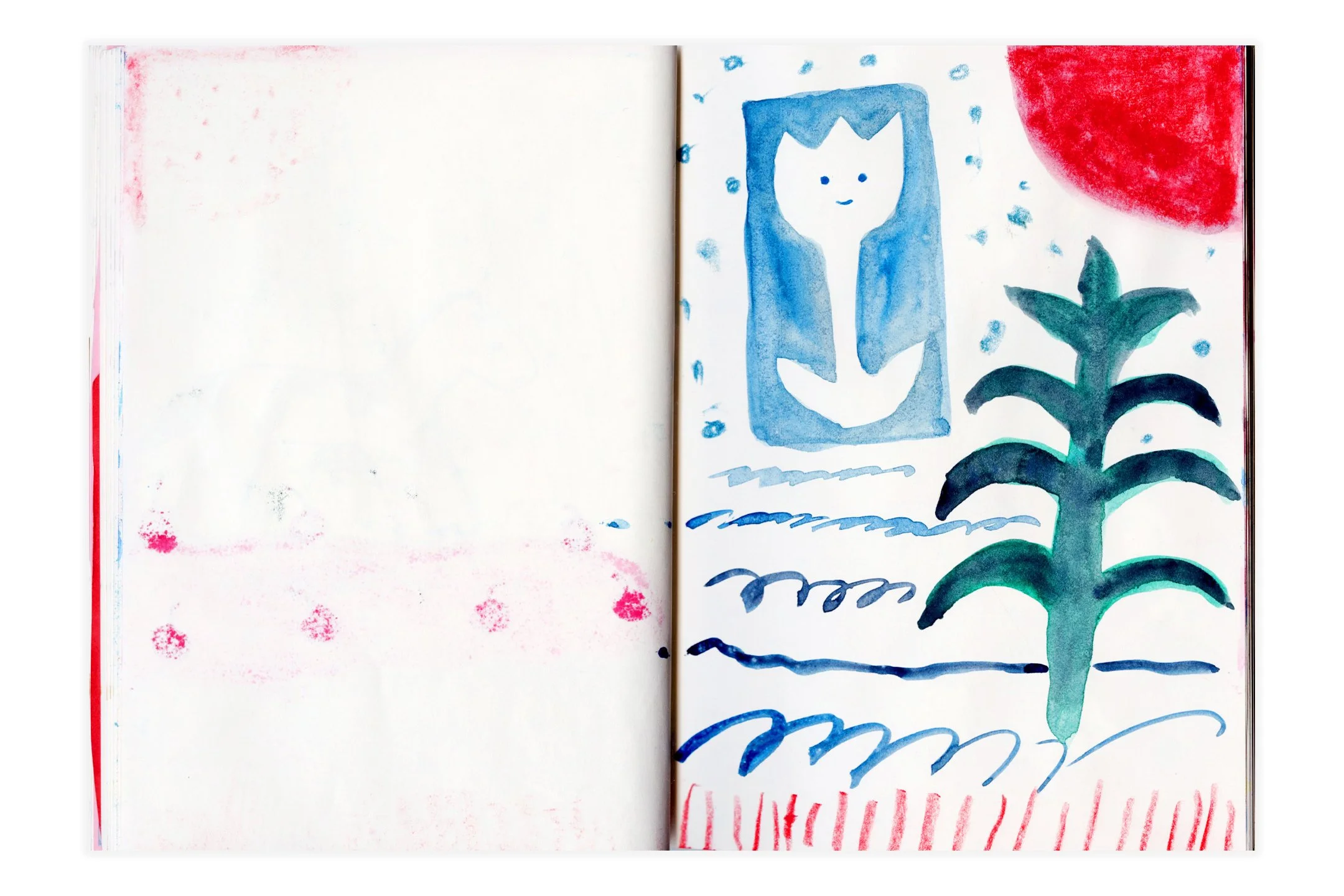
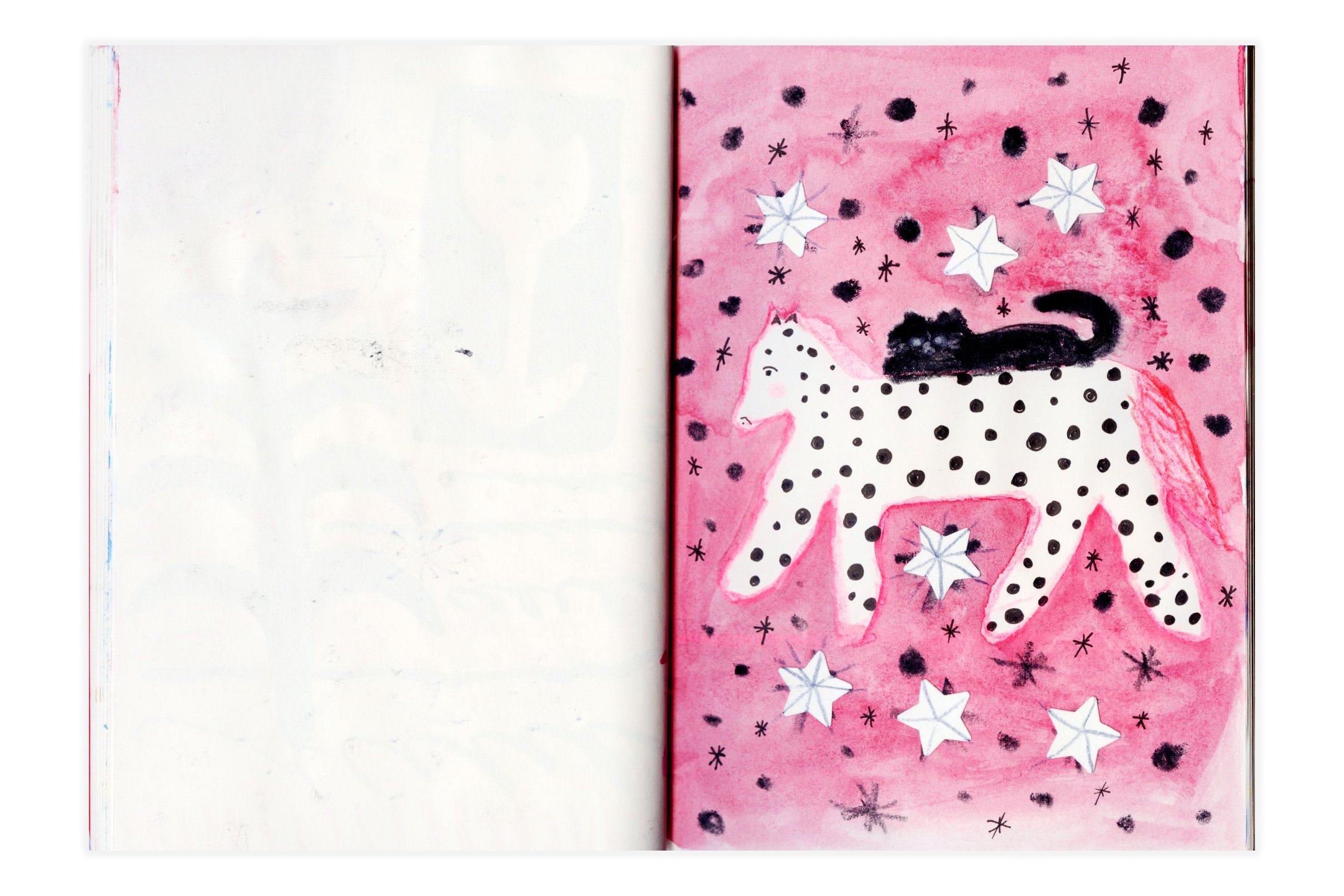
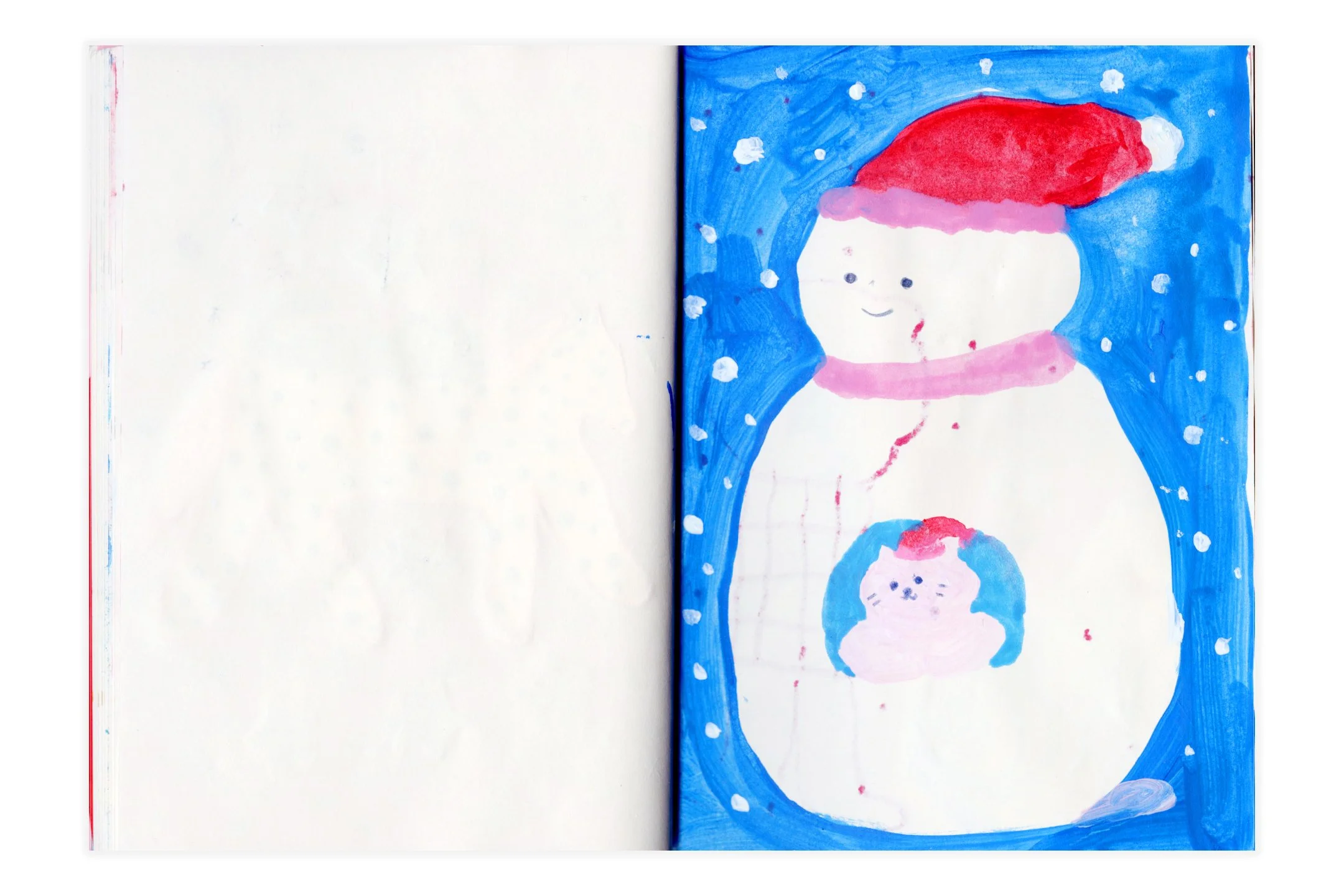
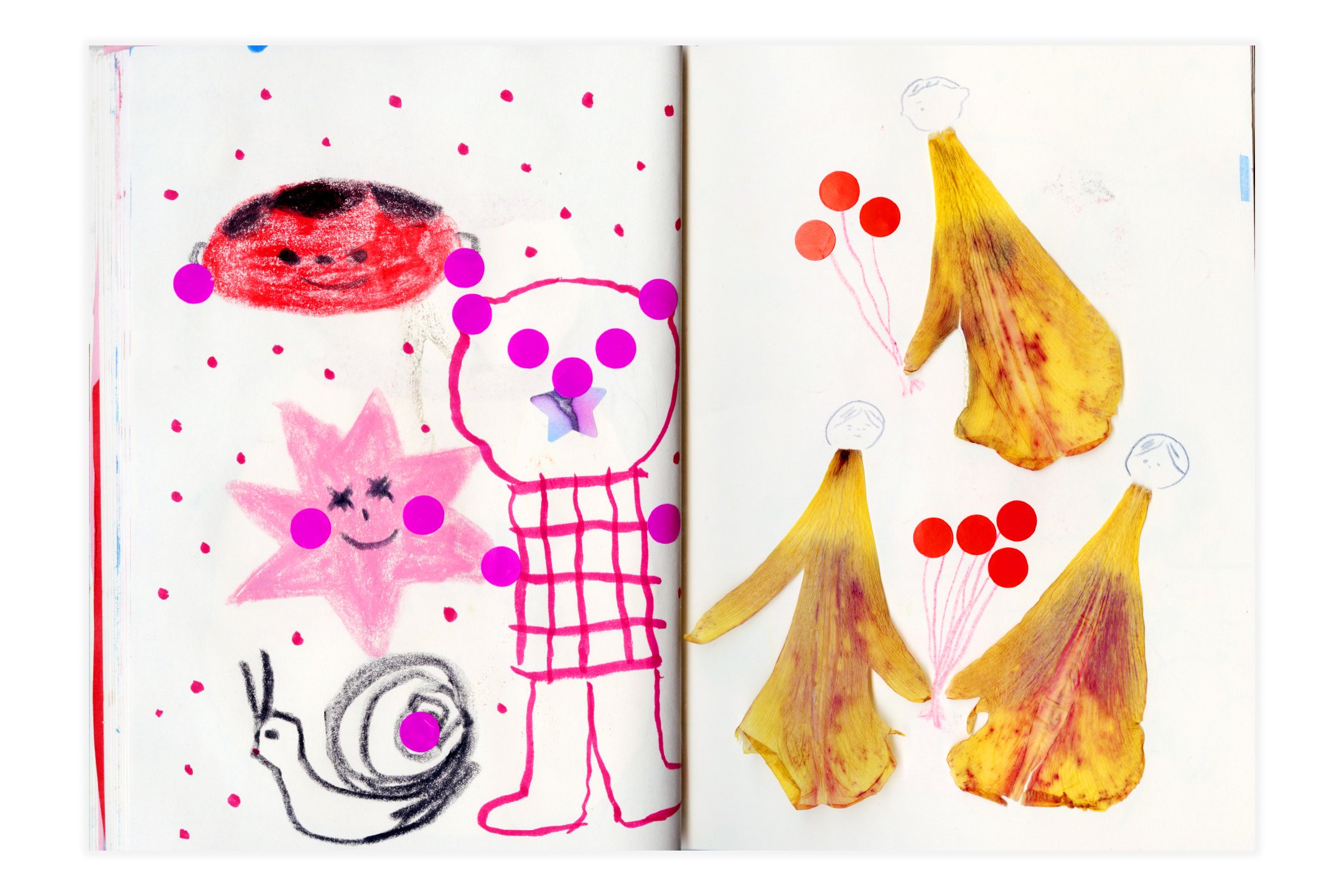
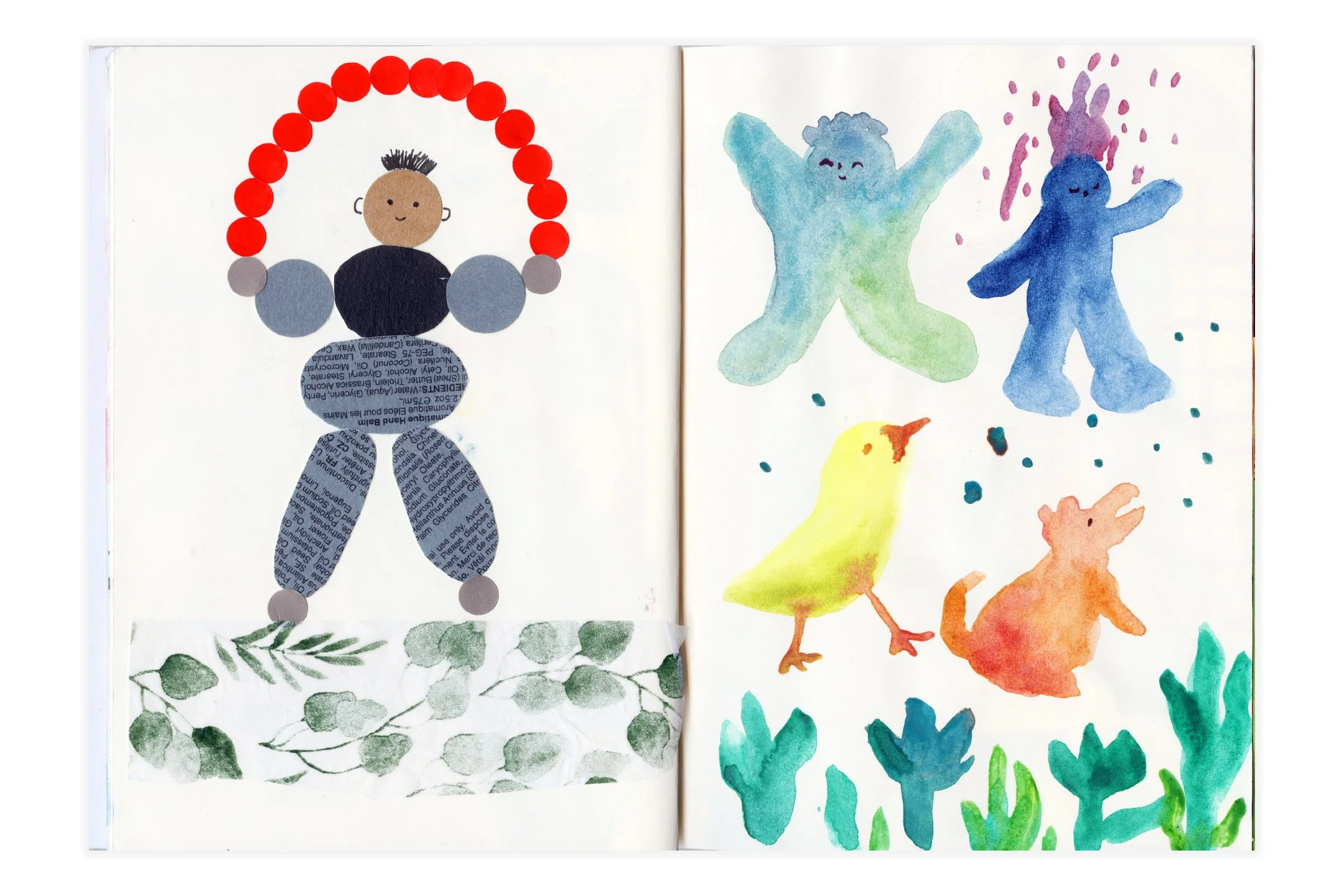
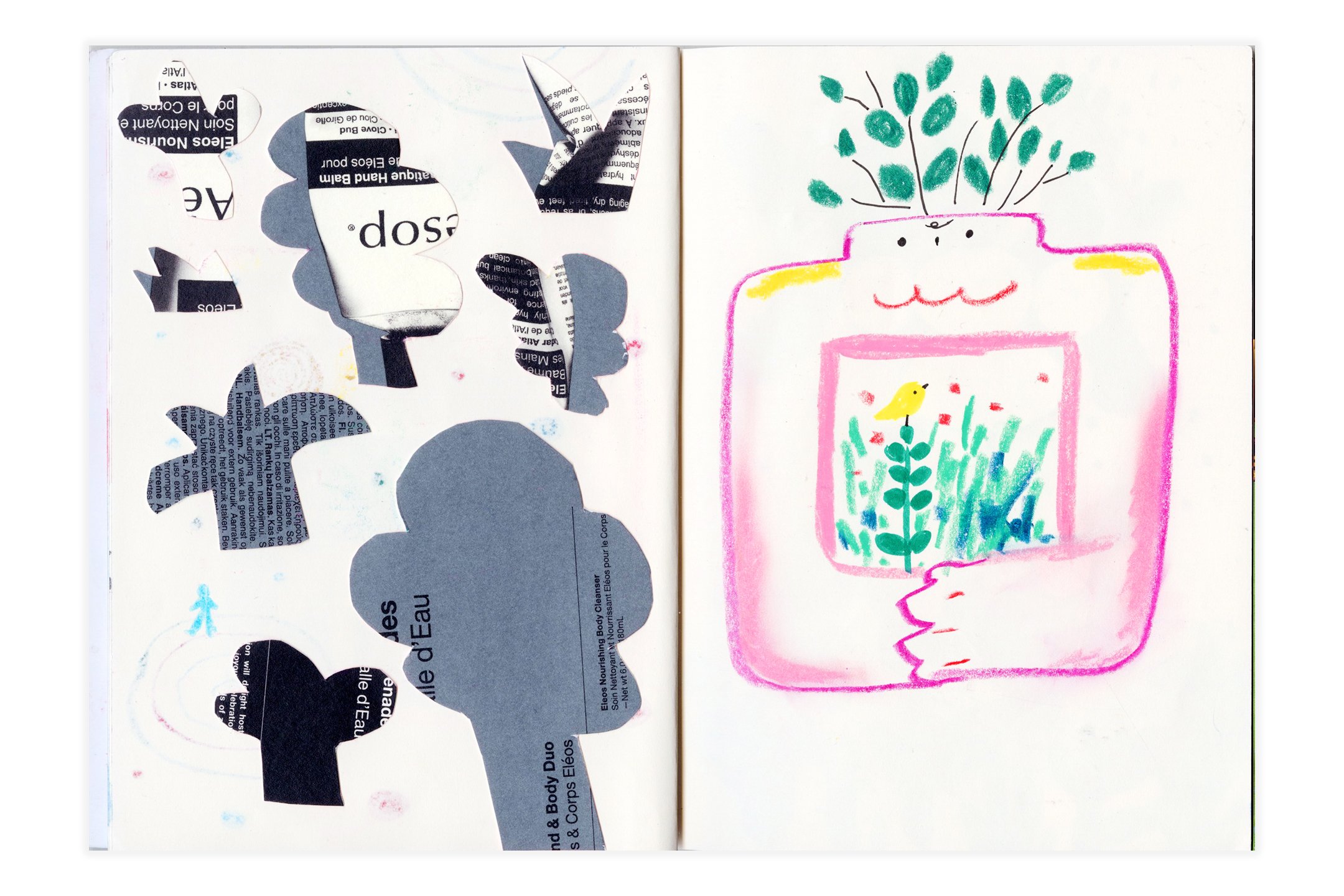
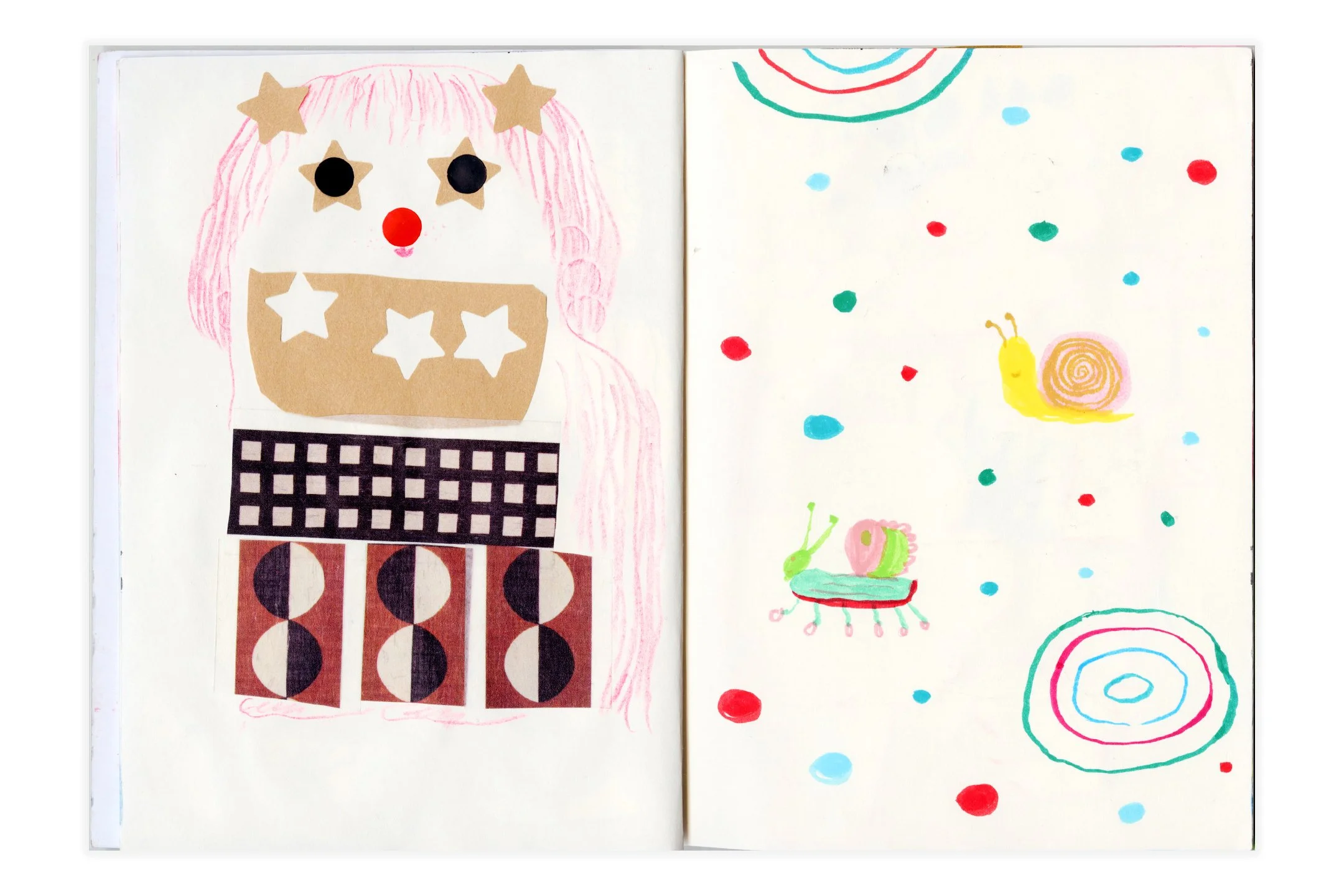
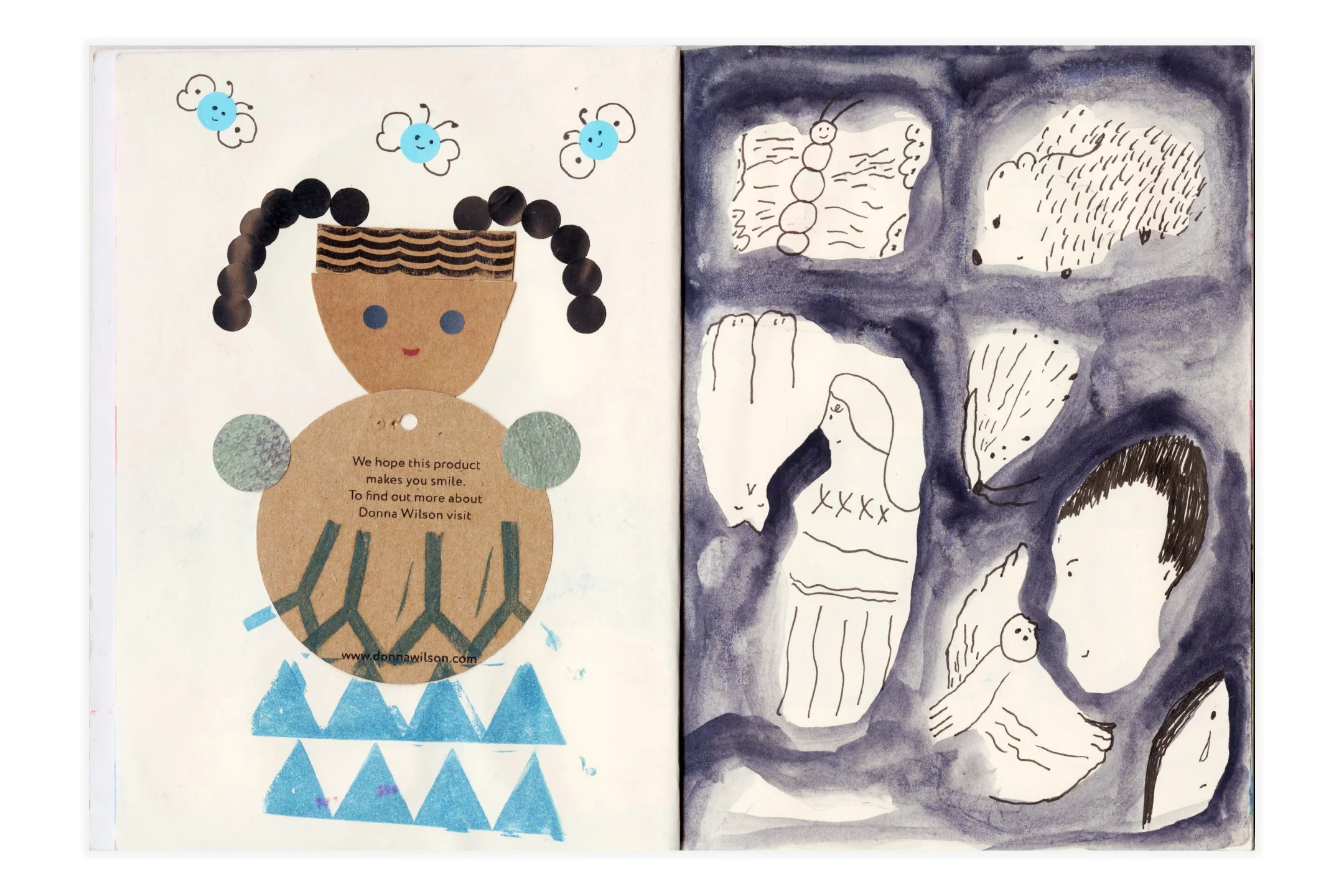
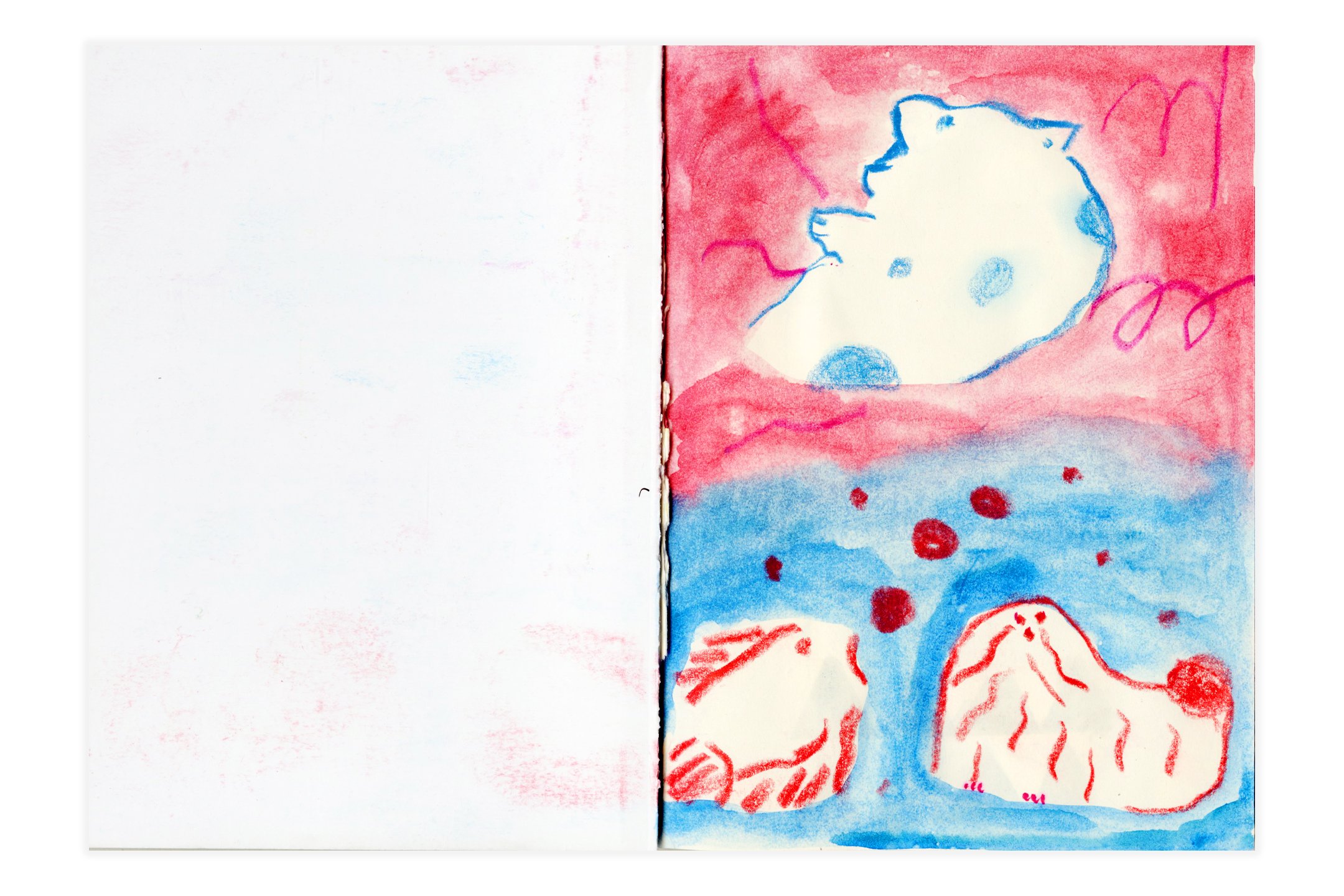
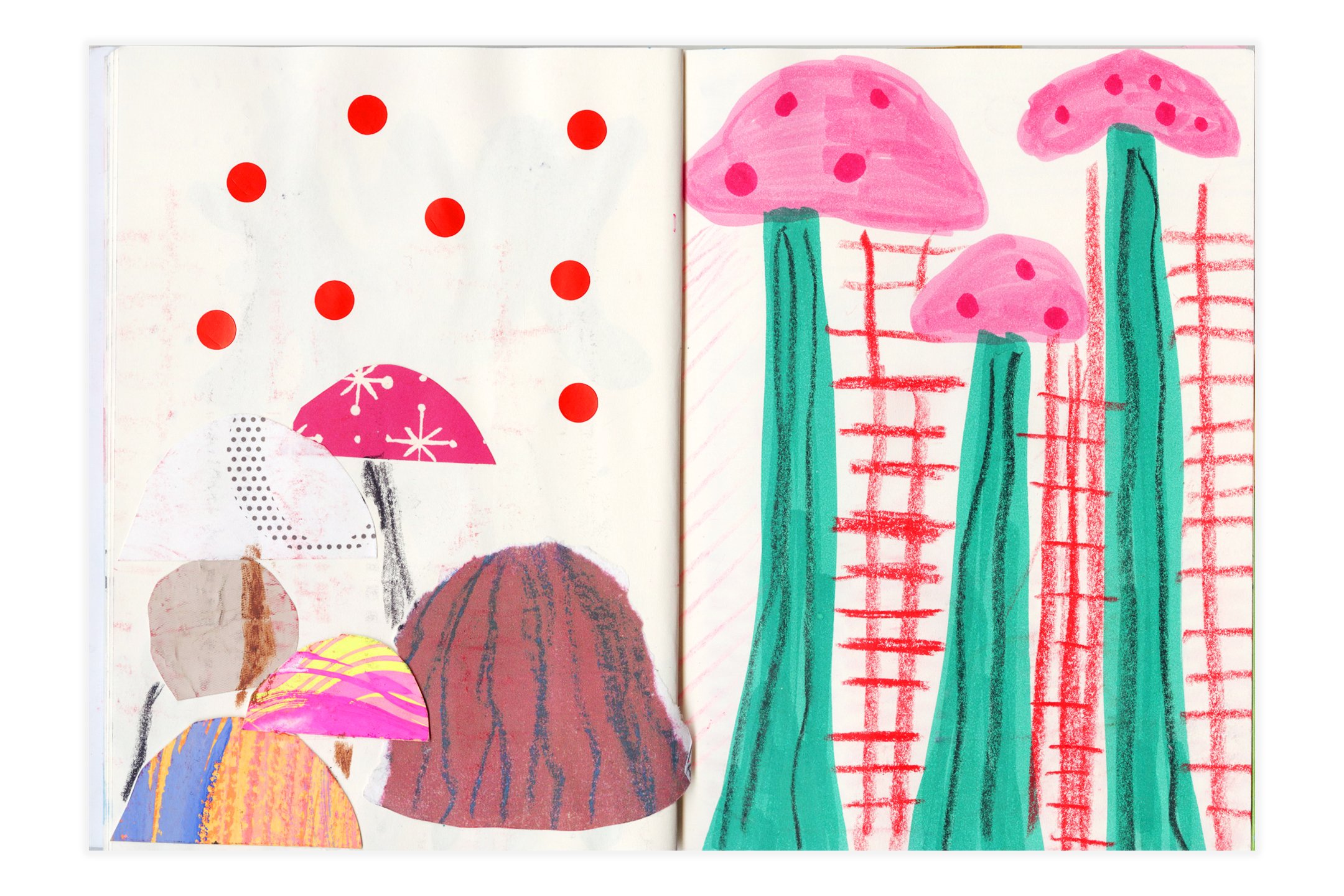
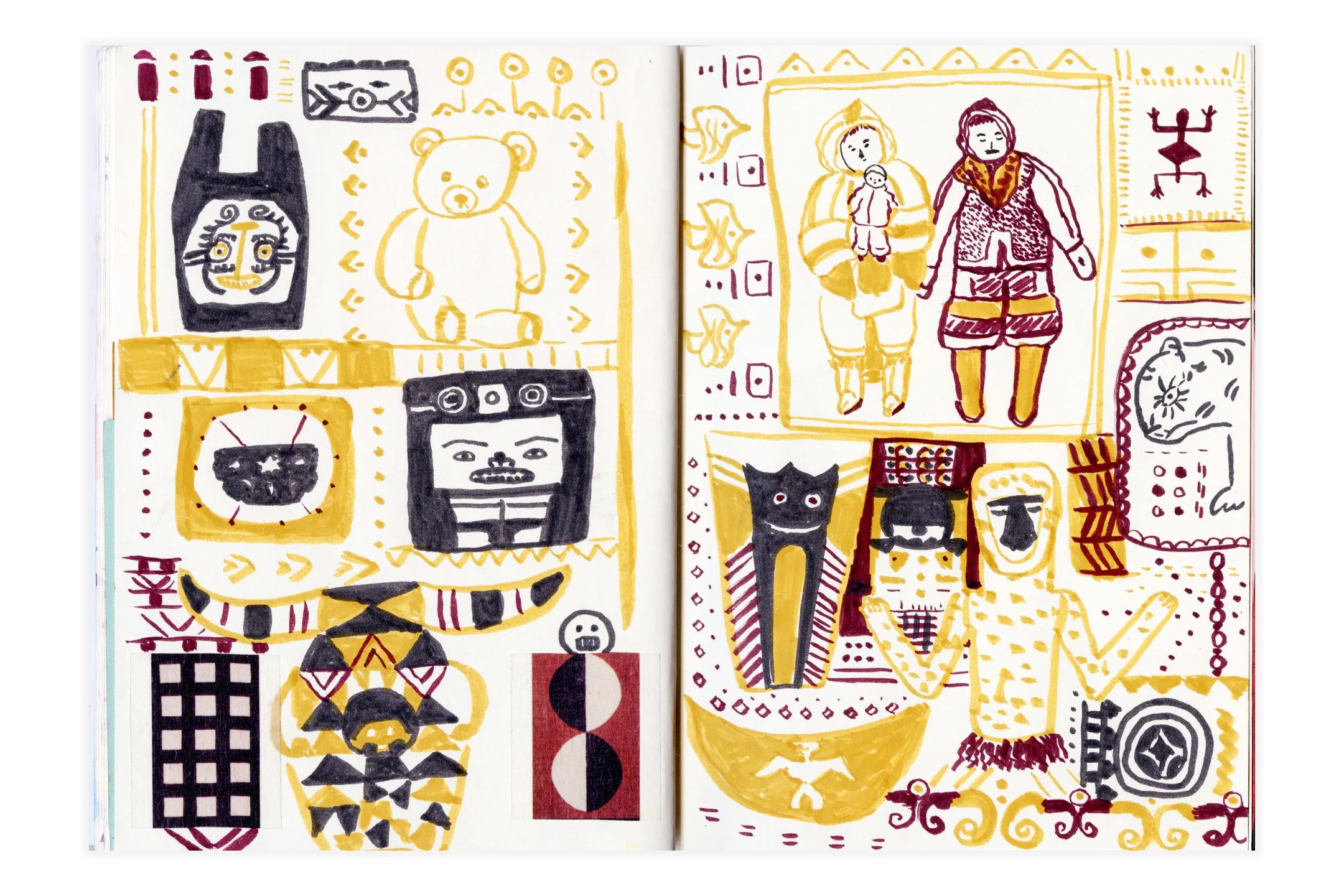
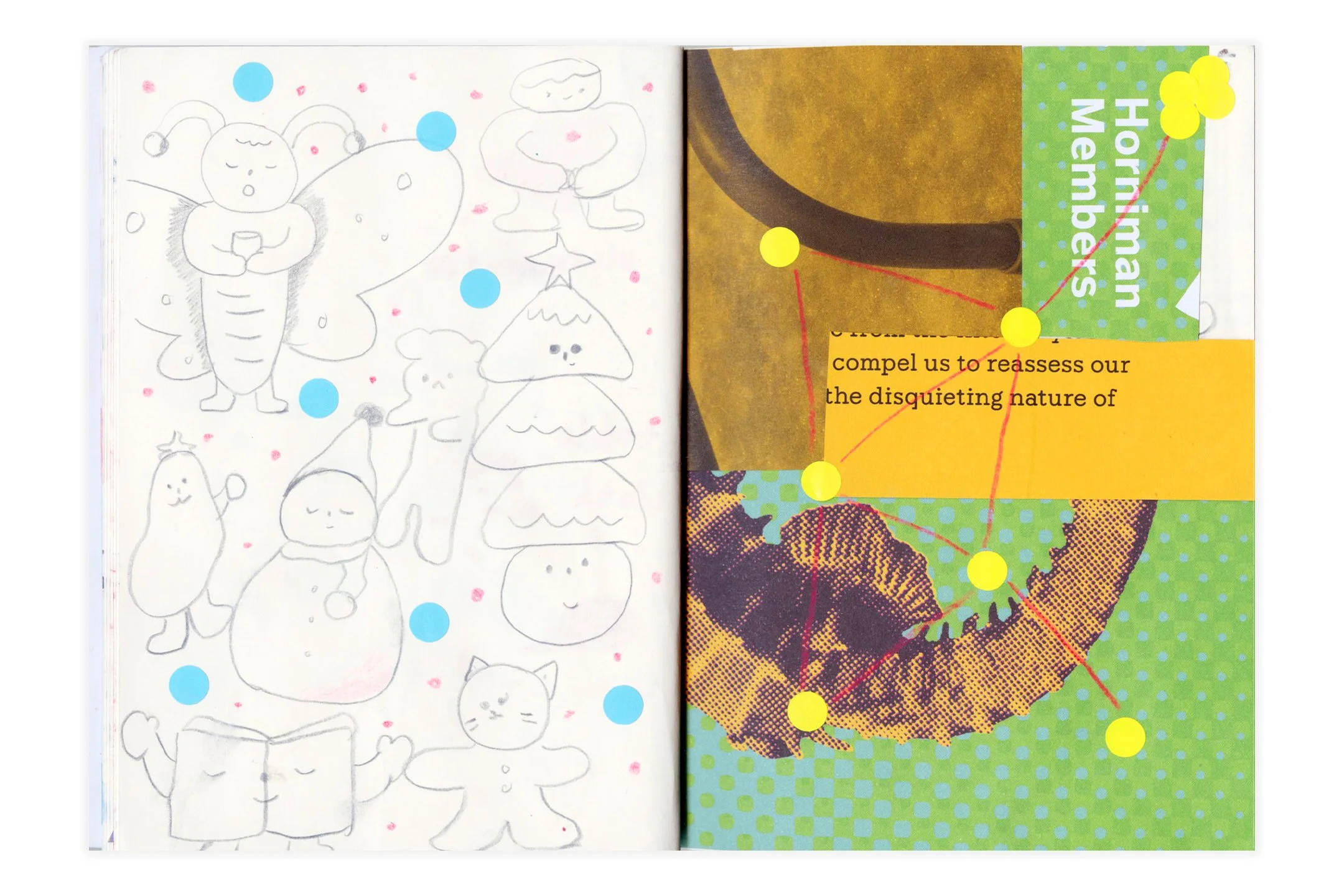
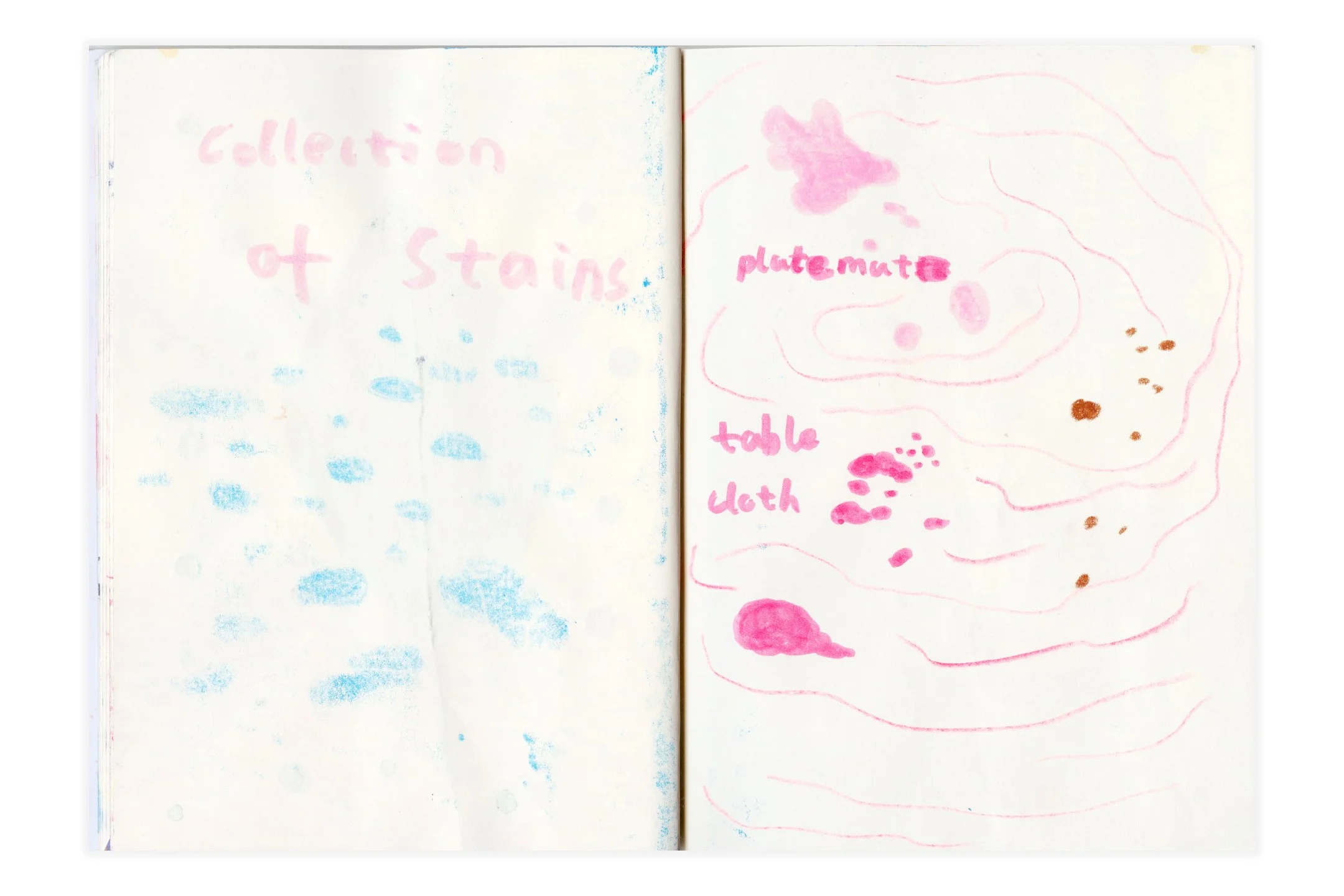
A: While filling this notebook, I wanted to be braver in experimenting with different methods. I tried approaches I don’t usually use, such as collage, incorporating flower petals, stamping, and drawing through negative space.
I hoped that these varied processes would help me capture new forms of inspiration. More importantly, I wanted the notebook to carry a playful spirit, something that might bring viewers a sense of lightness and joy.
Q: Can you walk us through your typical workflow from first idea to final piece? Any favourite tools, materials, or studio rituals you return to?